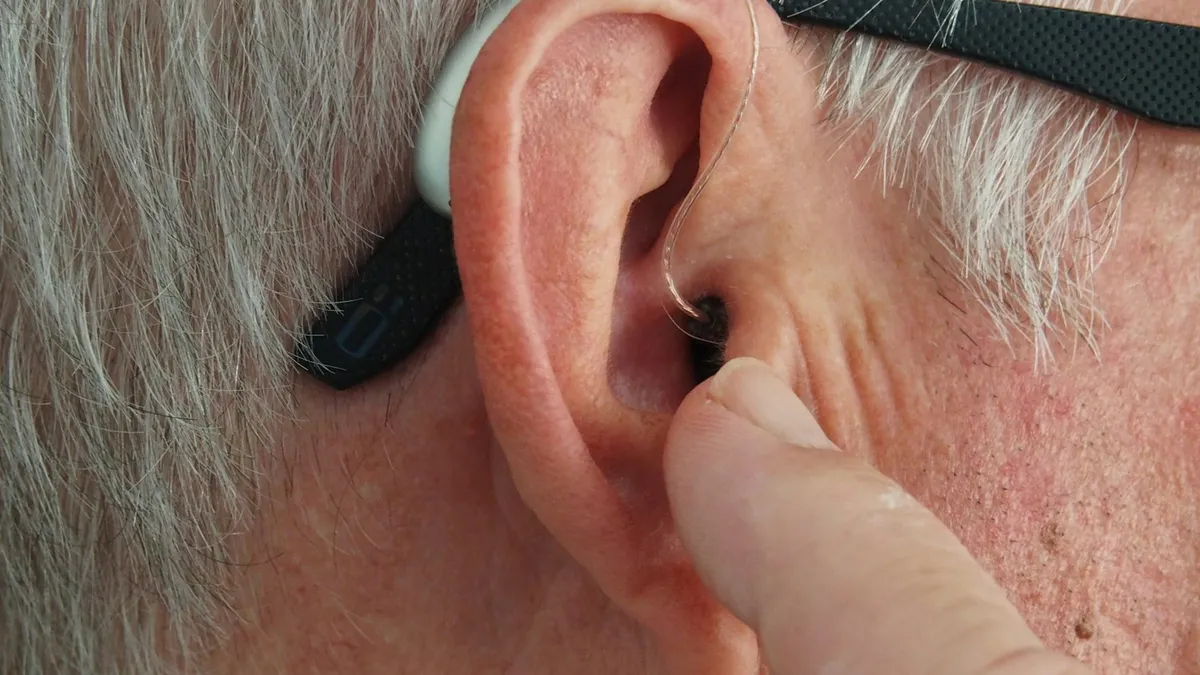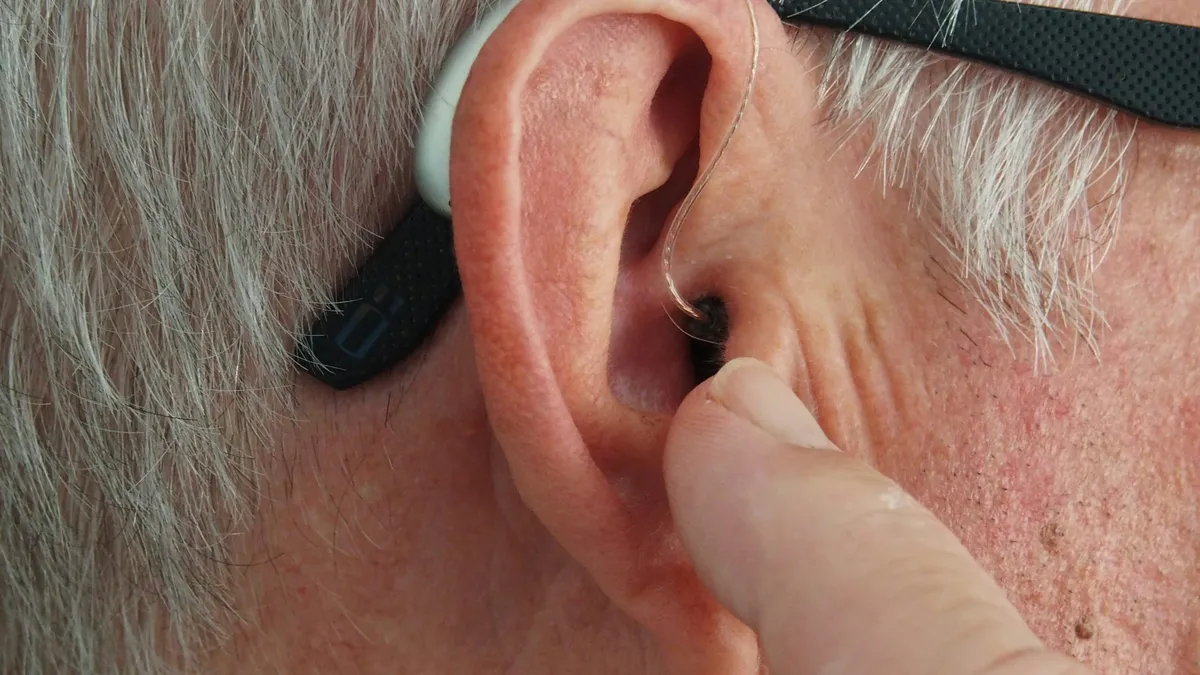

Over-the-counter hearing aids changed the maths of hearing care. Before the FDA rule took effect in October 2022, a pair of hearing aids meant a clinic, a prescription and a bill of four thousand dollars or more. Today a good over-the-counter pair costs between 289 and 1,995 dollars, you buy it online or in a shop, and you fit it yourself with a phone app or a set of preset programs. For adults with mild to moderate hearing loss, which is most people who need hearing help, that is a genuine alternative, not a compromise.
This guide picks the seven best OTC hearing aids for 2026, from the cheapest credible pair under three hundred dollars to the premium self-fitting model with three years of remote audiology care, and explains who each one suits. Prices are per pair in US dollars, checked against current roundups in November 2026, and they can change, so treat them as a guide and confirm the price before you buy. Every aid here is for adults with perceived mild to moderate hearing loss only. If your loss is severe, or it came on suddenly, or it affects one ear much more than the other, see an audiologist first rather than buying online. Our comparison of OTC versus prescription hearing aids explains the dividing line in detail, and our FDA-approved OTC hearing aids list covers which devices are actually cleared.
Who OTC Hearing Aids Are For
OTC hearing aids are regulated by the FDA for adults aged 18 and over with perceived mild to moderate hearing loss. Perceived matters: you do not need a hearing test or a prescription to buy one, and the fitting is done by you, either through an app-based hearing test or by choosing from preset programs. That is the whole point of the category, and it is also its limit. If you have ear pain, discharge, dizziness, ringing in one ear only, or a sudden change in your hearing, those are signs to see a doctor first, not to order a pair online. Our guide to signs you need hearing aids lists the red flags, and our guide to how often to get your hearing tested explains when a proper test is worth the visit.
Self-fitting is easier than it sounds, and harder than the marketing suggests. The aids run a short hearing test through your phone and set themselves from the result, which works well if you do the test properly: a quiet room, no television running, and honest answers about what you can and cannot hear. A rushed test gives you a badly fitted aid, and no brand can fix that from the other end. Our guide to self-fitting hearing aids walks through the process, and our guide to the hearing aid adjustment period explains what the first few weeks feel like, because your brain needs time to adjust to amplified sound before you can judge a pair fairly.
The 7 Best OTC Hearing Aids at a Glance
| Model | Best for | Price per pair | Bluetooth | Trial |
|---|---|---|---|---|
| Jabra Enhance Select M3 | Best overall | 1,995 dollars | Yes | 100 days |
| Elehear Beyond Pro | Best sound per dollar, tinnitus | 599 dollars | Yes | 45 days |
| MDHearing VOLT MAX 2 | Best value behind-the-ear | About 597 dollars | No streaming | 60 days |
| Audien Atom Pro 2 | Best ultra-budget | 289 dollars | No | 45 days |
| Sennheiser All-Day Clear | Best from a trusted audio brand | 999 dollars | Yes | 45 days |
| MDHearing VOLT 4 | Best with no app | 397 dollars | No | 60 days |
| Audien ION Pro 2 | Best affordable receiver-in-canal | Under 500 dollars | Yes | 45 days |
Best Overall: Jabra Enhance Select M3
Jabra Enhance Select M3, 1,995 dollars a pair. The M3 is the top pick in almost every 2026 roundup, including the National Council on Aging tests, and it earns that place with support rather than sound alone. It is a mini receiver-in-canal aid with Bluetooth and LE Audio, including Auracast compatibility, self-fitting through an app, and adaptive noise control that adjusts as your surroundings change. The headline is the care package: three years of remote audiology support and a 100-day trial, the longest in this guide. That means you can try the aids on real phone calls and in noisy rooms for more than three months and send them back if they do not suit you. Our guide to the best hearing aids for phone calls explains why the M3 also leads there, with hands-free calling on most phones.
The cheaper siblings in the same line are worth knowing about. The M2 costs 1,695 dollars a pair and was the best-overall senior pick in HearWellLab’s November 2026 check, with the same three years of audiology care and automatic sound in a slightly larger and simpler package. The M1 costs 1,195 dollars a pair and is the most affordable way into the Jabra line. One naming warning: Jabra’s old Enhance Select 300 and 700 names are gone. The current lineup is M1, M2 and M3, and any source still calling the top pick the Select 700 is out of date.
Best Sound per Dollar: Elehear Beyond Pro
Elehear Beyond Pro, 599 dollars a pair, listed down from 649 dollars. The Beyond Pro is the strongest sound-per-dollar buy in this guide, and the lab numbers back that up: HearAdvisor gave it an A grade with a SoundScore of 4.2 out of 5, ranking it 11th of 65 OTC devices tested, ahead of aids costing twice as much. It is a receiver-in-canal aid with Bluetooth 5.3 streaming, AI noise reduction, dedicated tinnitus masking, and about 20 hours of battery per charge. It comes with a 45-day trial and a one-year warranty, and an optional 99-dollar ElePro Plus video session adds a live fitting with a professional if the app-only setup leaves you unsure.
One pricing note, because the numbers disagree across sources: the Beyond Pro is currently listed at 599 dollars on Elehear’s own store, down from a list price of 649 dollars, and some roundups still quote the 649 figure. Treat 599 as the current price and 649 as the list price. The non-Pro Beyond costs about 399 dollars a pair with the same core formula, and the newer Beyond 2 Pro costs about 799 dollars. If ringing in your ears is as much of a problem as the hearing loss itself, the Beyond Pro is also the best tinnitus pick here, and our guide to hearing aids for tinnitus relief explains the other options alongside it.
Best Value Behind-the-Ear: MDHearing VOLT MAX 2
MDHearing VOLT MAX 2, about 597 dollars a pair. The VOLT MAX 2 is the pick for anyone who wants a proper behind-the-ear aid with real power and no fuss. It is rechargeable with about 20 hours per charge, has directional microphones for noisy rooms, and adds app-based self-tuning that used to cost far more, all for under six hundred dollars. It does not stream phone calls over Bluetooth, so if streaming matters to you, the Elehear or the Jabra above are better choices. But for conversation, television and everyday listening, it is the best value in this guide, and it comes with a 60-day trial and US phone support.
MDHearing is also the brand to look at if you want the simplest possible aid, which is the next pick below. The two models share the same idea: clear amplification, rechargeable power, and a phone line staffed by real people, with no clinic visit and no prescription. If you are comparing battery systems before you buy, our comparison of rechargeable versus disposable battery hearing aids lays out the trade offs, and every aid in this guide is rechargeable, which is the right default in 2026.
Best Ultra-Budget: Audien Atom Pro 2
Audien Atom Pro 2, 289 dollars a pair. The Atom Pro 2 is the cheapest credible route into real FDA-regulated OTC hearing aids, and it keeps topping value lists for that reason. It is an in-the-ear aid with an onboard volume button, no app and no Bluetooth, about 24 hours per charge, and a 45-day return window. HearAdvisor gave it a B grade with a SoundScore of 3.3 out of 5, which is honest for the price: clean enough for conversation and television at home, not as strong in a noisy restaurant as the models above.
At this price the trial matters more than the specification sheet, so use the full 45 days, try the aids in the situations that matter to you, and send them back if they do not help. If your budget stretches a little further, the Atom X at 389 dollars a pair adds a touchscreen charging case with four listening modes and about 64 hours of battery life across the device and case, and it is sold at Walmart, Target, CVS and Walgreens as well as online, which matters if you would rather buy from a shop you know than a website. Audien also sells the Atom 2 at about 99 dollars a pair, but that is a basic amplifier for very mild loss, not a step up from the Pro 2.
Best From a Trusted Audio Brand: Sennheiser All-Day Clear
Sennheiser All-Day Clear, 999 dollars a pair. Sennheiser is a name most buyers already trust from headphones and audio equipment, and the All-Day Clear is its self-fitting OTC aid. It is a receiver-in-canal model with about 24 hours of battery per charge, Bluetooth streaming, a 45-day trial, and a fitting process that runs on your phone. It does not come with the years of remote audiology care that Jabra includes, but for a confident buyer who wants a familiar brand and a clean, simple product, it is a strong middle choice at half the price of the M3. Independent testers have rated its sound among the best in the OTC category, and it was the best-overall pick in one 2026 video comparison of five OTC aids.
The same caution applies here as to every self-fitting aid in this guide: the fitting is only as good as the hearing test you feed it. Do the phone-based test in a quiet room, with no television running, and be honest about what you can and cannot hear. If you wear glasses as well as hearing aids, check the fit of the receiver-in-canal style against your frames before the trial ends, and our guide to wearing hearing aids with glasses covers how to get that combination comfortable.
Best With No App: MDHearing VOLT 4
MDHearing VOLT 4, 397 dollars a pair. The VOLT 4 is the pick for anyone who wants a hearing aid and nothing else: no smartphone, no app, no Bluetooth pairing. It is a behind-the-ear aid with physical buttons only, rechargeable with about 20 hours per charge, and it comes with a 60-day trial and US phone support. You switch it on, choose a preset with a button, and get on with your day. Audiologists.org named it the best OTC aid for simplicity in its October 2026 roundup, and that is exactly what it is for.
The trade off is straightforward: no streaming, no app fine tuning, and no tinnitus features. If you take phone calls on your mobile and want them streamed into your ears, the VOLT 4 is not your aid, and the Jabra M3 or the Elehear above would serve you better. But if the idea of pairing Bluetooth fills you with dread, the VOLT 4 removes that whole problem. It is also the easiest aid in this guide to handle, with a larger behind-the-ear body and physical buttons, which matters if your fingers are stiff or your eyesight is poor. Our guide to the different types of hearing aids explains each style and who it suits.
Best Affordable Receiver-in-Canal: Audien ION Pro 2
Audien ION Pro 2, under 500 dollars a pair. The ION Pro 2 is Audien’s receiver-in-canal model, and it is the cheapest way into the RIC style, which is the style most audiologists recommend first: a thin tube carries sound into your ear while the processor sits behind it, which keeps the ear canal open and the sound natural. It was the National Council on Aging’s most affordable OTC pick for 2026, and it suits a buyer who wants a discreet, modern-looking aid without paying the thousand-dollar-plus prices that style usually commands.
The ION Pro 2 sits between the Atom Pro 2 and the premium picks in this guide, and that is the right way to think about it: you are paying for the RIC fit and a more natural sound, not for streaming or remote audiology care. If you plan to replace your hearing aids every three to four years anyway, a sub-500-dollar pair makes that easy to afford. And if you already own Apple AirPods Pro 2, check their built-in hearing aid feature before you buy anything at all: it is FDA-cleared for mild to moderate loss, and our guide to AirPods Pro 2 as hearing aids explains what it can and cannot do.
Three Big Names to Skip Right Now
Not every familiar name in OTC hearing aids is a safe buy in late 2026, and this is the part of the guide that saves readers the most money. Lexie B2 and B2 Plus, and Eargo 8, were strong picks for years, but their parent company, LXE Hearing, announced in July 2026 that it is winding down all US operations, with support and warranty claims guaranteed only through September 15, 2026. That date has now passed, so a new Lexie or Eargo pair buys you an aid whose maker may not be there when it needs a repair. Existing owners are covered by whatever support remains, but a new buyer should choose a currently supported brand instead. Our comparison of Lexie B2 Plus versus Jabra Enhance still explains how the two sounded side by side, but the buying advice in it belongs to a time before the wind-down.
Sony is the third name to cross off. Sony discontinued its entire CRE hearing aid line, the CRE-C10, CRE-C20 and CRE-E10, in April 2026, so what is left in shops is clearance stock with no future support. The CRE-E10 was a good earbud-style aid with Bluetooth streaming, and it still appears in older roundups, but a 2026 buyer should not pay full price for a discontinued line. If you see one at a steep discount and you understand the support risk, that is your call, but it does not belong on a recommended list. The safe rule for the whole category is simple: buy a model whose maker is still selling it, still supporting it, and still answering the phone.
What to Check Before You Buy
Use the trial properly, because it is the only test that matters. Wear the aids on real phone calls, in a noisy restaurant, and while watching television, not just in a quiet living room. If the seller allows it, try them at a family gathering, which is where most aids either prove themselves or fail. Our guide to hearing aid trial periods explains how the windows compare, from 45 days at most OTC brands to 100 days at Jabra, and our guide to hearing aid return policies explains how to get your money back, including who pays for return shipping and whether there is a restocking fee. Check the return window in writing before you pay, not after.
Ask who provides support and for how long, and save the phone number somewhere you will find it. A hearing aid company with no reachable phone line is a warning sign, not a bargain, and the Lexie and Eargo story above is the proof. Check the warranty too, and check what it actually covers: most OTC aids in this guide carry a one-year warranty, while Jabra gives three years of remote care. Ask whether the warranty covers the receiver and the charger as well as the aid itself, because those are the parts that fail most often. Before you commit to any model, read our list of questions to ask before buying hearing aids, and be careful about scams: pressure to buy today, free hearing tests that end in a hard sell, and miracle cures for hearing loss. Our guide to hearing aid scams and red flags lists the common tricks and how to walk away from them.
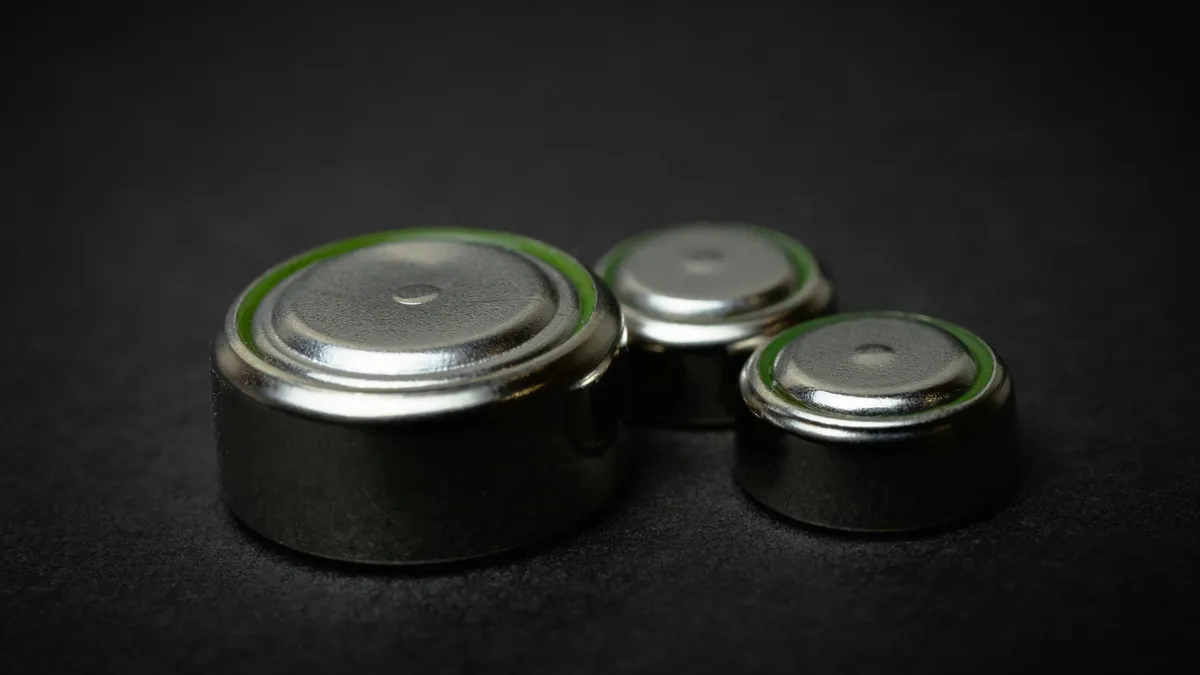
Finally, budget for the running costs. Rechargeable aids have almost none, but if you buy a disposable-battery model, batteries cost roughly 50 to 100 dollars a year per pair. Our guide to hearing aid battery sizes explains which size each style takes, and our guide to how long hearing aids last explains when a repair stops being worth the money, which is usually after five to seven years.
Frequently Asked Questions
Are OTC hearing aids as good as prescription hearing aids?
For mild to moderate hearing loss, the best OTC aids are close enough that most first-time buyers will be happy with them, especially the Jabra M3 and the Elehear Beyond Pro, which both have independent lab scores behind them. For severe loss, or for loss that is much worse in one ear, prescription aids fitted in a clinic are still the right choice, because they can be tuned far more precisely and the fitting is done by a professional.
Do I need a hearing test before buying OTC hearing aids?
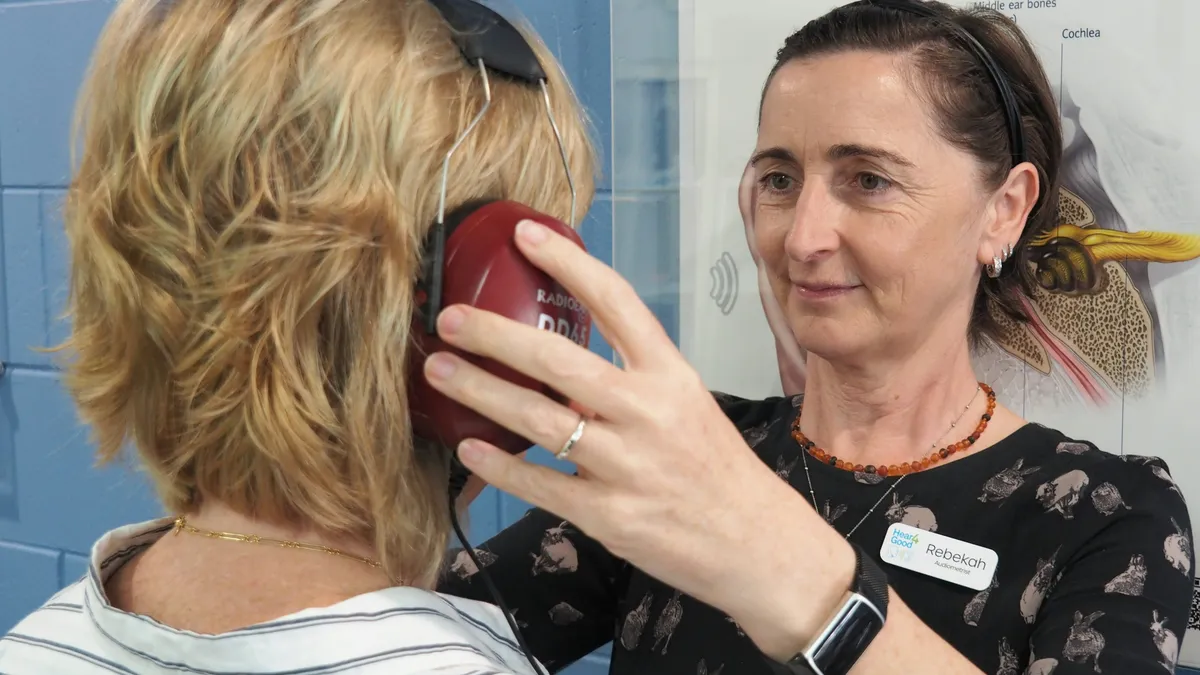
You do not need one to buy, because the aids test your hearing through the app and fit themselves. But a proper hearing test is still the best first step if you have never had one, because it tells you whether your loss is mild, moderate or severe, and whether anything else is going on. Our guide to free online hearing tests covers the screening tools worth your time, and a clinic test is worth the visit if the online result surprises you.
How long should I try an OTC hearing aid before deciding?
Give it at least two to three weeks of daily wear before you judge it, because your brain needs time to adjust to amplified sound. Use the whole trial period if you can: 100 days at Jabra, 60 days at MDHearing, 45 days at most other OTC brands. If the aids still do not help after a proper trial and a support call, send them back and try a different model rather than giving up on hearing aids altogether.
Can I return OTC hearing aids if they do not help?
Yes, if you buy from a reputable seller inside the trial window. Every aid in this guide comes with a return window of 45 days or more, and the seller must take the aids back for a refund if you return them in time. Check who pays return shipping and whether there is a restocking fee before you buy, and keep the original packaging until the trial is over.
What if my hearing loss is worse in one ear?
See an audiologist before buying anything. Uneven hearing loss can have medical causes that an OTC aid will not fix, and it needs a proper examination. The same applies to sudden hearing loss, ear pain, discharge or dizziness: those are not shopping problems, they are medical ones, and an online checkout cannot help with them.
Are cheap hearing aids on Amazon worth it?
Some are, most are not. The aids in this guide are FDA-regulated OTC devices, which means they meet safety and performance standards. Much of what sells for under a hundred dollars on Amazon is a personal sound amplifier, not a hearing aid: it makes everything louder, including background noise, with no self-fitting and no support. If the price looks too good to be true and the seller has no phone number, it is not a hearing aid, it is an amplifier with good marketing.
External sources: NCOA, best OTC hearing aids 2026, NCOA, best affordable hearing aids 2026, HearWellLab, best OTC hearing aids 2026, HearWellLab, best cheap hearing aids 2026, Soundly, best OTC hearing aids 2026, audiologists.org, best OTC hearing aids of 2026.