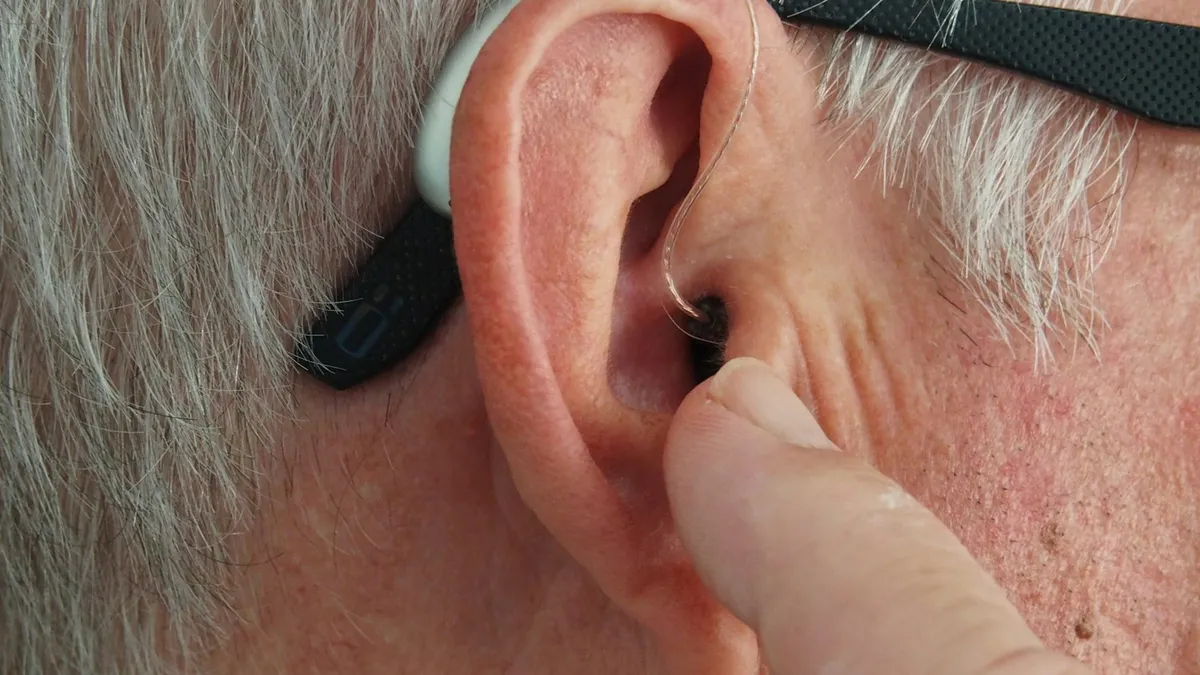

Choosing a hearing aid after sixty is a different job from choosing one at forty. The sound quality still matters, but it is rarely the deciding factor. What decides whether the aids end up worn every day or sitting in a drawer is much more ordinary: can you pick them up without fumbling, can you charge them without handling a battery the size of a lentil, can you turn them up without opening an app, and is there a real person to call when something goes wrong. The best hearing aid for a senior is the one that is easy to live with, not the one with the longest list of features.
This guide picks the strongest options for seniors in 2026, from simple no-app aids under four hundred dollars to prescription models fitted in a clinic, and explains who each one suits. Prices are per pair in US dollars, checked against current roundups in November 2026, and they can change, so treat them as a guide and confirm the price before you buy. Every over-the-counter aid here is for adults with mild to moderate hearing loss only. If your loss is severe, or it came on suddenly, or it affects one ear much more than the other, see an audiologist first rather than buying online.
What “Best for Seniors” Actually Means
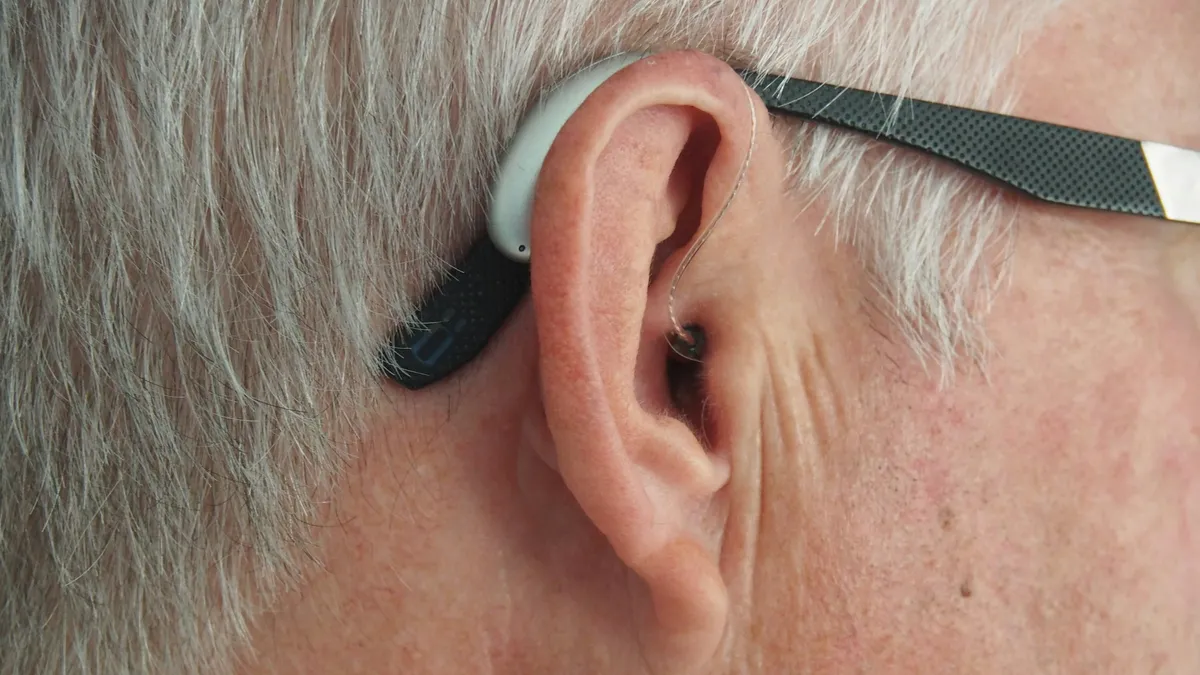
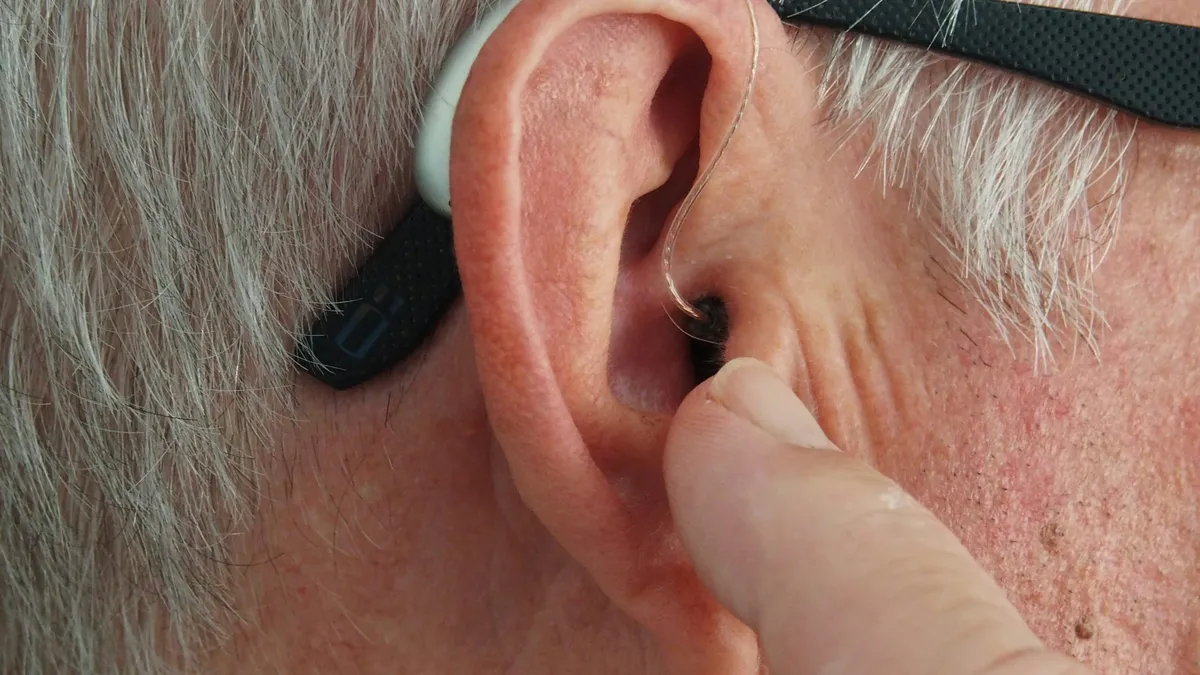
Start with handling, because that is where most senior buyers get caught out. A tiny in-canal aid looks discreet, but if your fingers are stiff from arthritis or you have a slight tremor, inserting it, changing its battery and cleaning it become daily struggles. Behind-the-ear and receiver-in-canal styles are larger, easier to grip, and easier to put on, and for most seniors they are the better choice even though they are more visible. Our guide to the different types of hearing aids explains each style and who it suits.
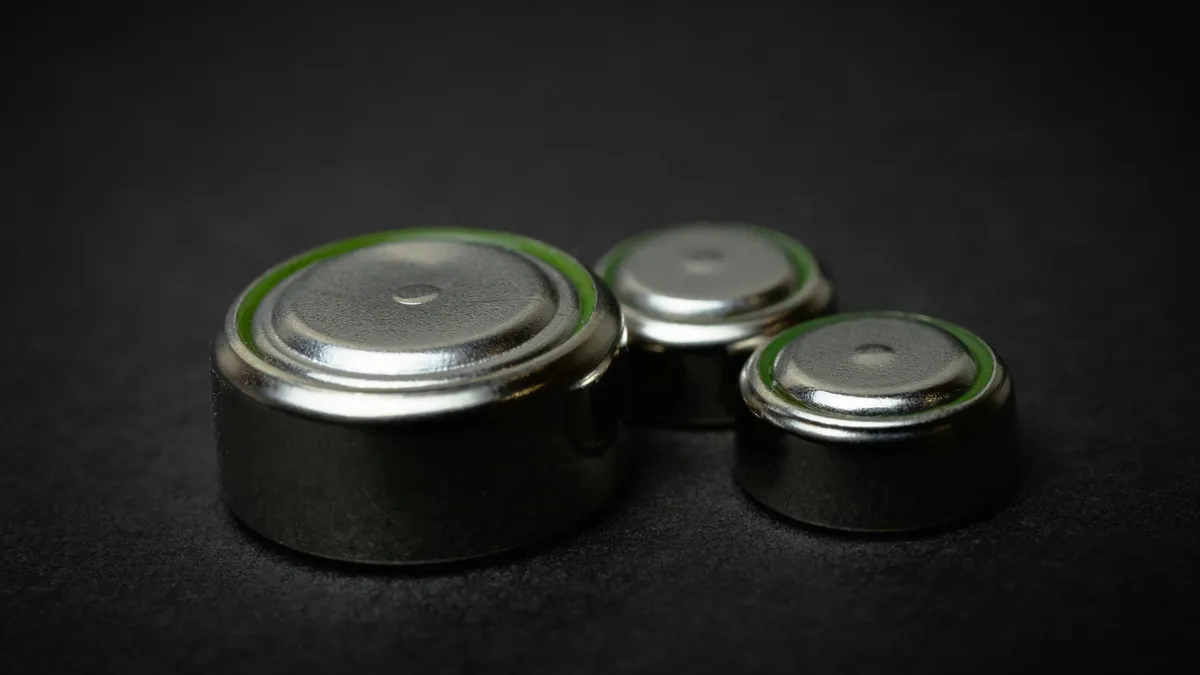
Rechargeable power is the second priority, and for seniors it is close to essential. Disposable batteries are small, fiddly and need changing every few days, and a fresh battery has to sit for a minute after the tab comes off before it works properly. A rechargeable aid goes on its charger at night and is ready in the morning, with no tiny cells to handle at all. If you are comparing the two systems, our comparison of rechargeable versus disposable battery hearing aids lays out the trade offs, including what happens when a rechargeable aid runs flat away from a socket.
Third, look for simple controls and automatic adjustment. The aids should adapt to a quiet room and a noisy restaurant on their own, without you reaching for a phone. Physical buttons beat touchscreen controls for stiff fingers, and a charging case with a clear light beats a case you have to guess at. Fourth, check the support. A long trial period and a US phone line staffed by real people are worth more than an extra feature you will never use, especially in the first month while you are still adjusting. Our guide to the hearing aid adjustment period explains what those first weeks feel like and why most people need a few visits or calls to get the fit right.
Over-the-Counter or Prescription?
Over-the-counter hearing aids became available in the United States after the FDA rule change in 2022, and they suit adults with mild to moderate loss who want a simpler, cheaper route. You buy them directly, fit them yourself with a phone app or preset programs, and pay hundreds of dollars rather than thousands. The best of them now come with remote audiology support, which narrows the gap with clinic aids considerably. But they are not for everyone. Severe hearing loss, sudden hearing loss, loss in one ear only, ear pain, discharge or dizziness all need an audiologist and usually a prescription aid. That is not a sales pitch, it is a safety rule, and a good online seller will say the same.
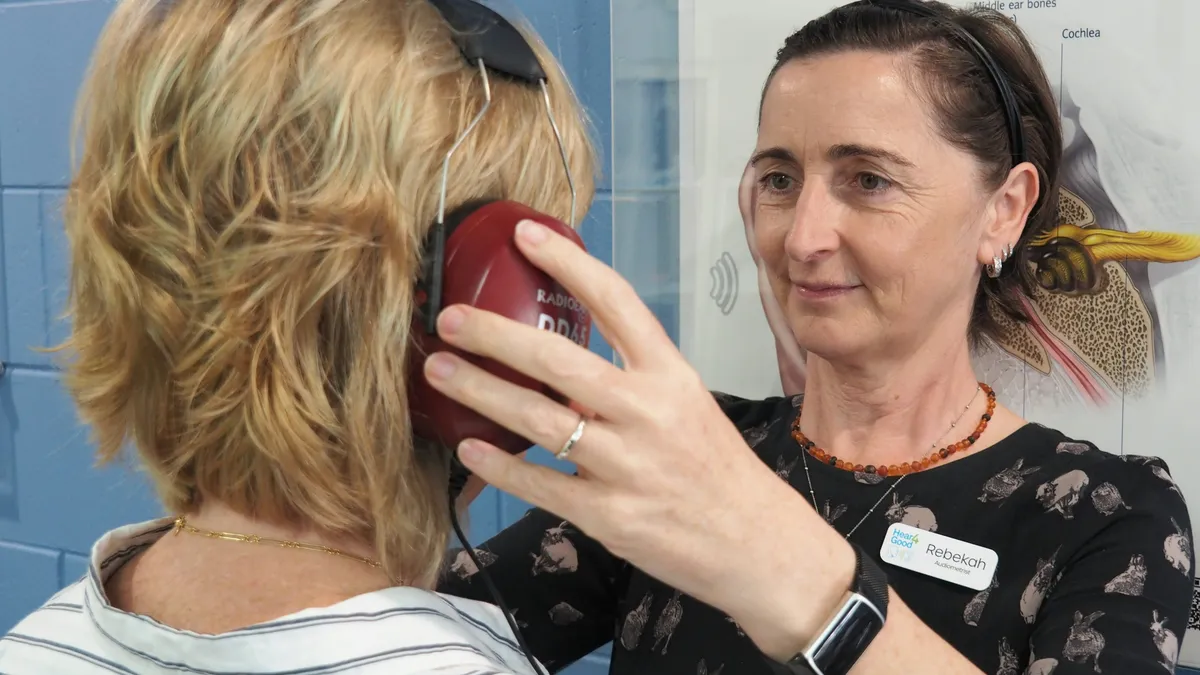
Prescription aids cost more, typically four thousand to seven thousand five hundred dollars a pair in a clinic, but they come with in-person fitting, fine tuning over several visits, and a professional who checks your ears and your hearing properly. For severe loss, or for anyone who wants a person rather than a helpline, that is money well spent. If you are not sure which side of the line you fall on, get a hearing test first. Our guide to how often to get your hearing tested explains when to go and what the test involves.
Best Overall: Jabra Enhance Select M3
Jabra Enhance Select M3, 1,995 dollars a pair. The M3 is the top pick in almost every 2026 roundup, including the National Council on Aging tests and the audiologists.org panel, and it earns that place with a combination of sound quality and support rather than price. It is a mini receiver-in-canal aid with Bluetooth and LE Audio, including Auracast compatibility, self-fitting through an app, and adaptive noise control that adjusts as your surroundings change. The headline for seniors is the care package: three years of remote audiology support and a 100-day trial, the longest in this guide. That means you can try the aids on real phone calls and in noisy rooms for more than three months and send them back if they do not suit you.
The M3 is small, which is both its appeal and its drawback. If your hands are steady and you are comfortable with a phone app, it is an excellent choice. If tiny aids are a struggle, look at the cheaper siblings in the same line instead. The M2 costs 1,695 dollars a pair and was the best-overall senior pick in HearWellLab’s November 2026 check, with the same three years of audiology care and automatic sound, in a slightly larger and simpler package. The M1 costs 1,195 dollars a pair and is the most affordable way into the Jabra line. One naming warning: Jabra’s old Enhance Select 300 and 700 names are gone. The current lineup is M1, M2 and M3, and any source still calling the top pick the Select 700 is out of date.
Best Simple, No App Needed: MDHearing VOLT 4
MDHearing VOLT 4, 397 dollars a pair. The VOLT 4 is the pick for anyone who wants a hearing aid and nothing else, no smartphone, no app, no Bluetooth pairing. It is a behind-the-ear aid with physical buttons only, rechargeable with about 20 hours per charge, and it comes with a 60-day trial and US phone support. You switch it on, choose a preset with a button, and get on with your day. Audiologists.org named it the best OTC aid for simplicity in its October 2026 roundup, and that is exactly what it is for.
The trade off is straightforward: no streaming, no app fine tuning, and no tinnitus features. If you take phone calls on your mobile and want them streamed into your ears, the VOLT 4 is not your aid, and the Jabra M3 or the Elehear below would serve you better. But if the idea of pairing Bluetooth fills you with dread, the VOLT 4 removes that whole problem. Its sibling, the MDHearing Volt Max 2 at 597 dollars a pair, adds doctor-designed presets and app-based self-tuning, and about 60 hours of battery life across the device and its charging case, for seniors who want a little more without a big jump in price or complexity.
Best Budget: Audien Atom Pro 2 and Atom X
Audien Atom Pro 2, 289 dollars a pair. Audien Atom X, 389 dollars a pair. Audien is the cheapest credible route into rechargeable hearing aids, and the Atom line is the reason it keeps topping value lists. The Atom Pro 2 is the simplest of the two, app-free with an onboard volume button, about 24 hours per charge and a 45-day return window. The Atom X adds a touchscreen charging case with four listening modes and about 64 hours of battery life across the device and case, and it is sold at Walmart, Target, CVS and Walgreens as well as online, which matters if you would rather buy from a shop you know than a website.
Both are for mild to moderate loss, and neither streams phone calls, so they suit a senior who mainly needs help with conversation, television and everyday listening. At these prices the trial matters more than the specification sheet, so use the full 45 days, try the aids in the situations that matter to you, and send them back if they do not help. If your budget stretches a little further, the Atom X is worth the extra hundred dollars for the easier case and the longer battery life alone.
Best for Tinnitus: Elehear Beyond Pro
Elehear Beyond Pro, 599 dollars a pair, listed down from 649 dollars. If ringing in your ears is as much of a problem as the hearing loss itself, the Beyond Pro is the standout pick. It was named the best OTC aid for tinnitus in the National Council on Aging and audiologists.org 2026 roundups, with AI noise reduction and dedicated tinnitus support built in, Bluetooth streaming, and about 20 hours of battery life per charge. It comes with a 45-day trial and a one-year warranty.
The Beyond Pro sits in the middle of the price range, more than twice the cost of the Audien Atom Pro 2 but a third of the Jabra M3, and that is the right way to think about it: you are paying for tinnitus features and streaming, not for a brand name. If you do not have tinnitus, save the money and buy the simpler aids above. If you do, a dedicated masking feature is worth far more than a slightly better specification sheet, and our guide to hearing aids for tinnitus relief explains the other options alongside it.
Best Self-Fitting From a Known Brand: Sennheiser All-Day Clear
Sennheiser All-Day Clear, 999 dollars a pair. Sennheiser is a name most seniors already trust from headphones and audio equipment, and the All-Day Clear is its self-fitting OTC aid. It is a receiver-in-canal model with about 24 hours of battery per charge, a 45-day trial, and a fitting process that runs on your phone. It does not come with the years of remote audiology care that Jabra includes, but for a confident buyer who wants a familiar brand and a clean, simple product, it is a strong middle choice at half the price of the M3.
One caution applies to every self-fitting aid in this guide, and the Sennheiser is no exception: the fitting is only as good as the hearing test you feed it. Do the phone-based test in a quiet room, with no television running, and be honest about what you can and cannot hear. A rushed test gives you a badly fitted aid, and no brand can fix that from the other end.
Best Prescription Aids for Severe Loss
If your loss is severe, or you want a clinic to handle everything, the prescription tier is where to look, and three models stand out for seniors in 2026. The Phonak Audeo EON Sphere 90/70, with up to 38 hours of battery per charge, has a dedicated chip for speech in noisy places, which is the single hardest situation for most hearing aid wearers. The Starkey Omega AI+ 24, with up to 51 hours per charge, adds fall detection, which matters because falls are the leading cause of injury for adults over 65. The ReSound Sensia 9/7, with up to 30 hours per charge, is one of the smallest prescription aids available and suits seniors who want a discreet fit with full clinic support.
Clinic prices run roughly four thousand to seven thousand five hundred dollars a pair, and you should not accept a single firm figure from a website, because clinics bundle fitting, follow-up visits and warranties differently. Get a written quote that lists what is included before you commit. If that price is out of reach, check your options before giving up: some Medicare Advantage plans cover part of the cost, Medicaid may help if you are dual-eligible, and the VA covers hearing aids for qualifying veterans. Our guides to whether Medicare covers hearing aids and free and low-cost hearing aid programs explain each route in detail, and the short version is this: Original Medicare does not cover hearing aids, but some Medicare Advantage plans do, so check your own plan rather than assuming.
Best Value at Costco: Sennheiser Sonite Rise and Philips HearLink 9050
Sennheiser Sonite Rise and Philips HearLink 9050, 1,599.99 dollars a pair at Costco. Costco deserves its own mention because it changes the arithmetic. Both of these are prescription-quality aids fitted in store, at a price that undercuts most clinics by thousands of dollars, and both come with Costco’s 180-day full refund, the most generous return window anywhere in hearing aids. That six-month trial is worth more than any feature list, because it gives you time to get used to the aids properly. Our guide to hearing aid prices at Costco covers the full range and the fitting process, and our guide to hearing aid return policies explains how the trial windows compare across sellers, including the 100 days at Jabra and the 45 days at most OTC brands.
What to Check Before You Buy
Use the trial properly, because it is the only test that matters. Wear the aids on real phone calls, in a noisy restaurant, and while watching television, not just in a quiet living room. If the seller allows it, try them at a family gathering, which is where most aids either prove themselves or fail. Check the return window in writing before you pay, including who pays for return shipping and whether there is a restocking fee. Ask who provides support and for how long, and save the phone number somewhere you will find it. A hearing aid company with no reachable phone line is a warning sign, not a bargain.
Check the warranty too, and check what it actually covers. Most OTC aids in this guide carry a one-year warranty, while Jabra gives three years and Costco’s in-store service covers the aids for as long as you own them in most cases. Ask whether the warranty covers the receiver and the charger as well as the aid itself, because those are the parts that fail most often. And be careful about scams aimed at seniors: pressure to buy today, free hearing tests that end in a hard sell, and miracle cures for hearing loss. Our guide to hearing aid scams and red flags lists the common tricks and how to walk away from them.
Finally, budget for the running costs. Rechargeable aids have almost none, but if you buy a disposable-battery model, batteries cost roughly 50 to 100 dollars a year per pair. Our guide to hearing aid battery sizes explains which size each style takes, and our guide to how long hearing aids last explains when a repair stops being worth the money, which is usually after five to seven years.
Frequently Asked Questions
What is the best hearing aid for a senior with arthritis?
A larger behind-the-ear or receiver-in-canal aid with physical buttons and a rechargeable battery, such as the MDHearing VOLT 4 or the Jabra Enhance Select M2. Tiny in-canal aids are hard to insert and clean with stiff fingers, and disposable batteries are hard to handle, so size and rechargeable power matter more than discreetness.
Are over-the-counter hearing aids good enough for seniors?
Yes, for mild to moderate hearing loss, which is the most common kind in older adults. The best OTC aids now offer self-fitting, Bluetooth, tinnitus features and remote audiology support at a fraction of clinic prices. For severe loss, sudden loss, or loss in one ear only, you need a prescription aid and an audiologist.
Does Medicare pay for hearing aids?
Original Medicare does not cover hearing aids or the fitting exams for them. Some Medicare Advantage plans do cover part of the cost, and Medicaid and VA benefits can help in some cases. Check your own plan rather than assuming, and read our full guide to Medicare coverage for the details.
How long should I try a hearing aid before deciding?
Give it at least two to three weeks of daily wear before you judge it, because your brain needs time to adjust to amplified sound. Use the whole trial period if you can: 100 days at Jabra, 180 days at Costco, 45 to 60 days at most OTC brands. If the aids still do not help after a proper trial and a support call, send them back and try a different model rather than giving up on hearing aids altogether.
Should I buy the most discreet hearing aid available?
Only if you can handle it easily. The most discreet aid is the wrong choice if you cannot insert it, charge it or clean it without help. For most seniors, a slightly larger aid that you can use confidently beats a tiny one that stays in its case, and a visible hearing aid that works is better than an invisible one that does not.
What should I do if my hearing aid stops working?
Check the simple things first: charge it fully, clean the wax guard, and check the receiver for wax or moisture. A clogged wax guard is the most common reason an aid goes quiet. If a fresh charge and a new wax guard do not fix it, call the seller’s support line or book a clinic visit rather than opening the aid yourself, which can void the warranty.
External sources: NCOA, best affordable hearing aids 2026, NCOA, best rechargeable hearing aids for seniors, HearWellLab, best hearing aids for seniors 2026, Stanford Hearing, best hearing aids for seniors, Audien, best rechargeable hearing aids for seniors 2026, audiologists.org, best OTC hearing aids of 2026.