
Category: Buying Guides
How to choose, buy, fit, and adjust to hearing aids with confidence.
-

Questions To Ask Before Buying Hearing Aids
Read Guide →: Questions To Ask Before Buying Hearing AidsBuying hearing aids is a bigger decision than most people expect. The devices cost anywhere from a hundred dollars to several thousand per pair, the technology is confusing, and the sales process varies wildly between providers. Walk in unprepared and you risk overpaying, getting the wrong technology, or discovering the return policy only when you…
-
How Long Do Hearing Aids Last
Read Guide →: How Long Do Hearing Aids LastWhen you are about to spend thousands on hearing aids, “how long will they last?” is the question that really matters. The answer affects the true yearly cost of your purchase more than the sticker price does. A $4,000 pair that lasts seven years is cheaper per year than a $2,500 pair that dies in…
-
Hearing Aid Scams Red Flags
Read Guide →: Hearing Aid Scams Red FlagsHearing aids are expensive, the technology is confusing, and the buyers are often older adults. That combination makes this industry a magnet for scammers. Every year, seniors lose money to fake discounts, miracle-cure claims, and high-pressure sellers pushing devices that are worthless or wildly overpriced. The good news: hearing aid scams follow predictable patterns. Once…
-
One Hearing Aid or Two? How to Decide Between a Single Aid and a Pair
Read Guide →: One Hearing Aid or Two? How to Decide Between a Single Aid and a PairTwo hearing aids usually beat one for clarity, direction, and listening effort. Learn when a single aid makes sense and how to do the honest cost math.
-
Hearing Aid Fitting What To Expect
Read Guide →: Hearing Aid Fitting What To ExpectYou have chosen your hearing aids. Now comes the appointment that determines whether they actually work for you: the fitting. Many first-time buyers imagine it as a quick handover, a box, a handshake, done. In reality, a proper fitting is a detailed clinical appointment, usually 60 to 90 minutes, where the devices are customized to…
-
Hearing Aid Trial Periods: How They Work and What to Ask Before You Commit
Read Guide →: Hearing Aid Trial Periods: How They Work and What to Ask Before You CommitMost states require a 30 to 45 day hearing aid trial period. Learn what it covers, how restocking fees work, and the exact questions to ask before you sign.
-
Hearing Aid Adjustment Period
Read Guide →: Hearing Aid Adjustment PeriodHere is what nobody tells you before your fitting: the day you get hearing aids is not the day you hear perfectly. It is day one of an adjustment period. Your brain has spent years, sometimes decades, living without certain sounds. Suddenly restoring them is disorienting. Your own voice sounds like you are talking in…
-
Types Of Hearing Aids Explained
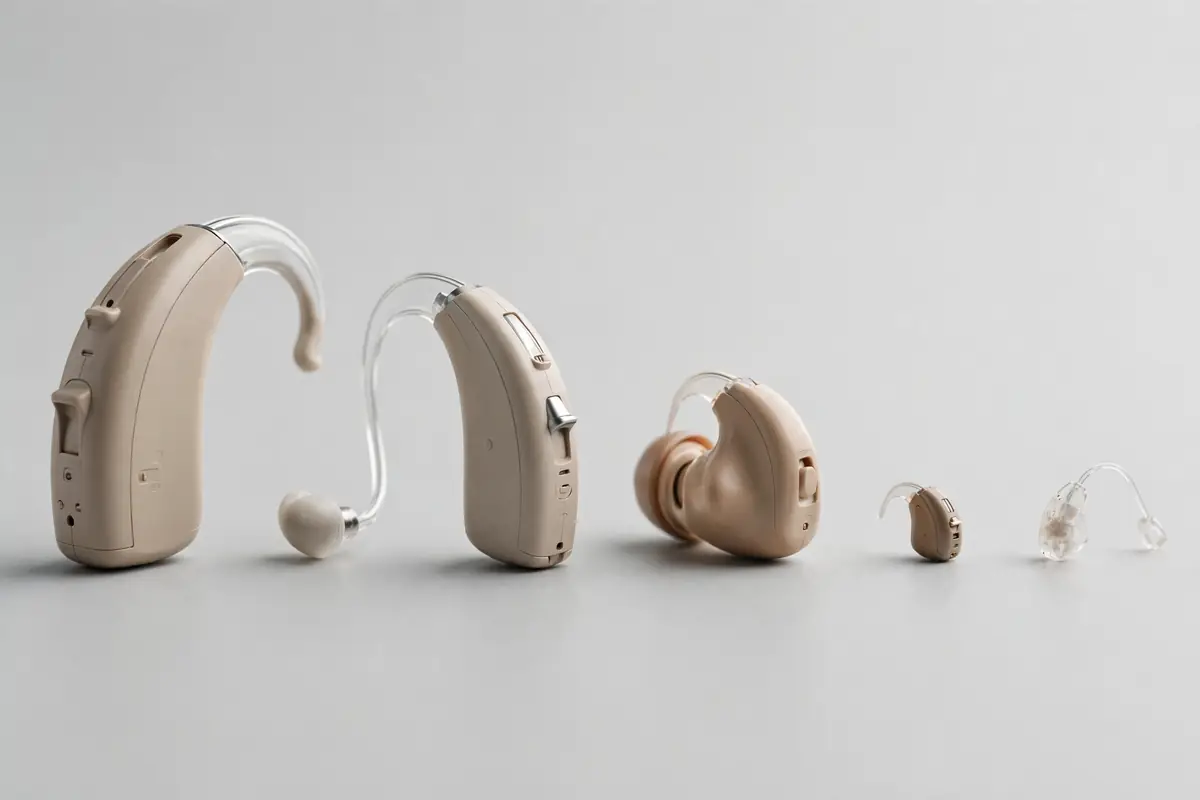
Read Guide →: Types Of Hearing Aids ExplainedWalk into any hearing aid discussion and you will drown in alphabet soup: BTE, RIC, ITE, ITC, CIC. Manufacturers love their acronyms, but the underlying idea is simple. Hearing aids come in five basic styles, and each is just a different answer to the same question: where do the parts sit on (or in) your…
-
Rechargeable Vs Disposable Battery Hearing Aids
Read Guide →: Rechargeable Vs Disposable Battery Hearing AidsA decade ago, nearly every hearing aid ran on tiny disposable batteries you replaced weekly. Today, rechargeable models dominate new sales, and buyers face a genuine choice: rechargeable vs disposable battery hearing aids. Each has real advantages, and the right answer depends on your lifestyle more than the marketing suggests. This guide compares the two…
-
Bte Vs Ric Hearing Aids
Read Guide →: Bte Vs Ric Hearing AidsIf you are buying prescription hearing aids, one decision comes before almost all others: BTE vs RIC. These are the two most popular styles in the world, and they look similar at a glance: both have a small case sitting behind your ear. But the engineering inside is different, and that difference affects sound quality,…




Search Articles
Topics
- Buying Guides (10)
- Hearing Aid Costs (14)
- Hearing Health (10)
- OTC Hearing Aids (15)
- Troubleshooting & Care (10)