

Shopping for hearing aids can feel like pricing a car with the windows blacked out. One clinic quotes $5,800, an online ad promises “$99 hearing aids,” and a friend swears she paid $1,400 at Costco. Who is right? Honestly, all of them, because hearing aid prices span an enormous range depending on what you buy and where you buy it.
This guide breaks down what hearing aids really cost in 2026, what you actually get at each price tier, and the hidden factors that move the number up or down. By the end, you will know what a fair price looks like for your situation and how to avoid overpaying.
Average Hearing Aid Prices in 2026
Let us start with the big picture. In 2026, most adults buying prescription hearing aids through a clinic pay between $2,000 and $6,000 per pair. The national average lands around $4,600 per pair for mid-to-premium technology with professional fitting included, according to industry surveys and provider pricing data.
That number shocks a lot of first-time buyers, so it helps to see the full landscape:
| Category | Typical Price Per Pair | What It Includes |
|---|---|---|
| Basic prescription aids | $1,000 to $2,500 | Essential amplification, limited features, clinic fitting |
| Mid-range prescription aids | $2,500 to $4,500 | Better noise handling, Bluetooth, rechargeable options |
| Premium prescription aids | $4,500 to $6,500+ | Top-tier sound processing, AI features, full service bundle |
| OTC hearing aids | $100 to $1,500 | Self-fitted devices for mild to moderate loss, no clinic visits |
| Costco / warehouse aids | $1,500 to $2,800 | Brand-name devices with in-house fitting, thinner service bundle |
For a deeper look at how per-pair pricing works, see our guide to the average cost of hearing aids per pair.
What Drives the Price Up or Down
Three things explain almost all price differences: the technology inside the device, the services wrapped around it, and the brand on the case.
Technology level
Manufacturers typically sell each model in three or four technology tiers (often labeled essential, advanced, and premium). The physical device may look identical across tiers. What changes is the software: how many sound environments it can recognize, how aggressively it reduces background noise, and how well it handles tricky situations like restaurants or wind. Premium tiers can add $1,500 or more per pair over the basic version of the same aid.
Professional services
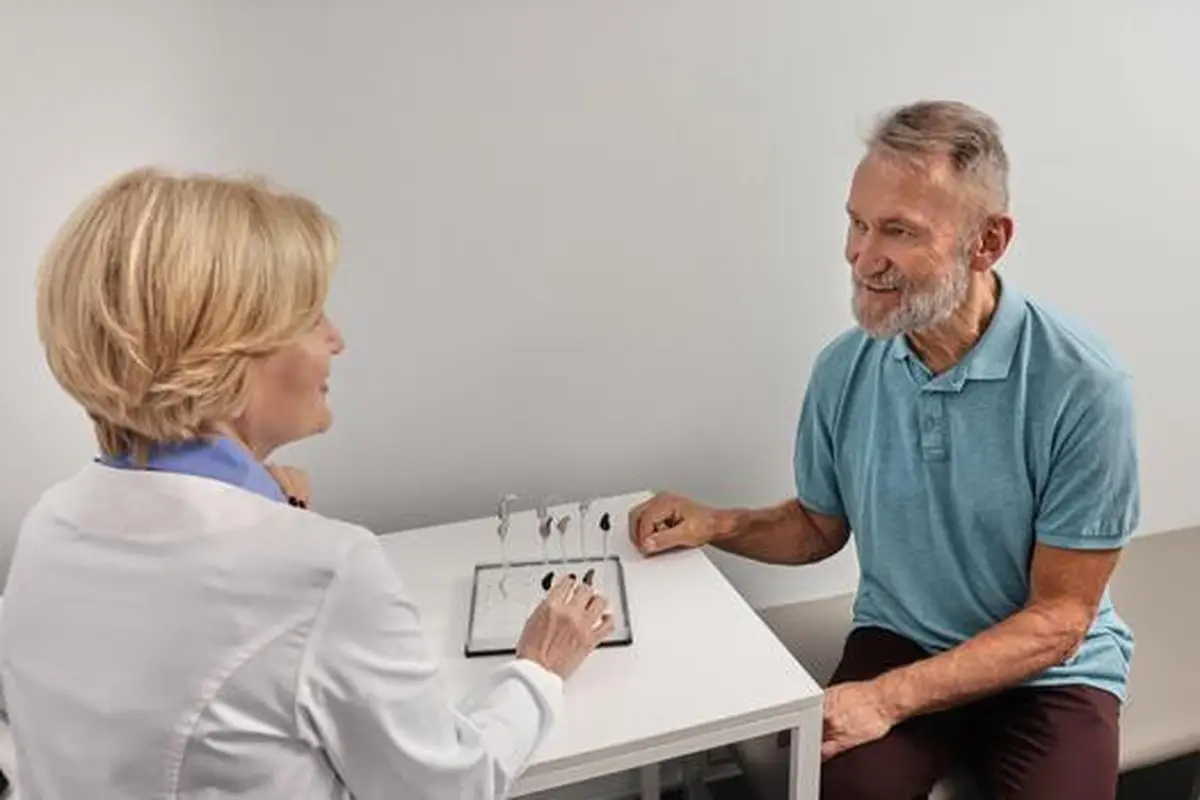
Traditional clinics use bundled pricing: the sticker price covers the devices plus the hearing test, fitting appointment, programming adjustments, and one to three years of follow-up visits. Those services are genuinely valuable, and they explain a big chunk of the gap between a $4,800 clinic pair and a $1,200 online pair. When comparing quotes, always ask what services are included and for how long.
Brand and provider
The big six manufacturers (Phonak, Oticon, Starkey, Signia, Widex, and ReSound) price similarly at each tier. Real price variation comes from the provider: independent clinics, ENT practices, warehouse clubs, and online sellers all have different cost structures. This is why understanding what happens at a fitting matters before you compare numbers.
What You Get at Each Price Tier
Under $500 per pair: This is OTC and amplifier territory. Devices like the Audien Atom can genuinely help mild hearing loss, but expect basic sound quality, limited customization, and no professional support. Fine as a starter, risky as a long-term solution for moderate loss.
$1,000 to $2,500 per pair: Entry-level prescription aids or premium OTC devices like Jabra Enhance Select. You get legitimate hearing technology, often with Bluetooth streaming and app control. A strong value zone for mild to moderate loss.
$2,500 to $4,500 per pair: The sweet spot for most buyers. Mid-range prescription aids handle noisy environments noticeably better, and the bundled fitting and follow-up care protect your investment. If you only remember one price band from this article, remember this one.
$4,500 and up: Premium devices with the best noise reduction, rechargeability, and extras like fall detection or language translation. Worth it for active lifestyles and difficult listening environments, but the jump from mid-range to premium is smaller than the marketing suggests.
Hidden Costs Most Buyers Miss
The sticker price is not the whole story. Budget for these:
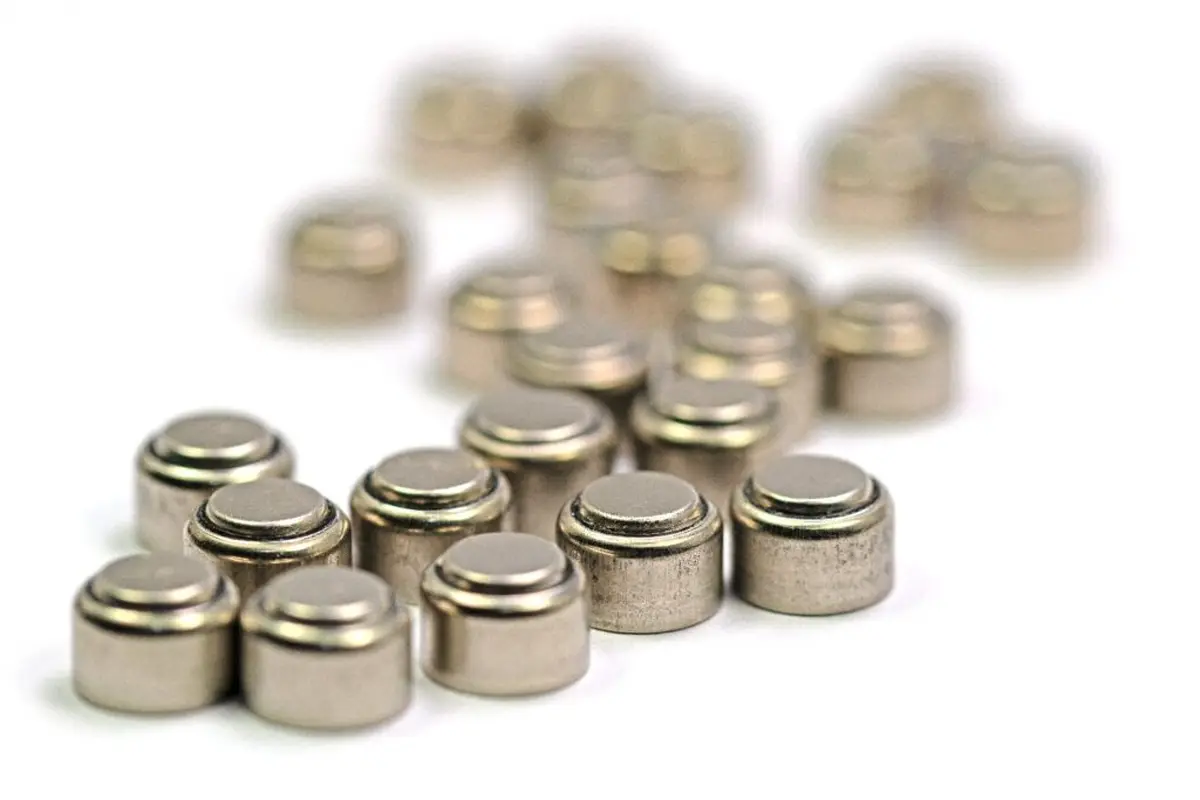
- Batteries or charging: Disposable batteries cost roughly $30 to $100 per year. Rechargeable models avoid this but may need a $200 to $400 battery replacement after a few years. Our battery sizes guide covers the details.
- Warranties and loss coverage: Most aids include a 1 to 3 year manufacturer warranty. Extended warranties and loss/damage insurance add $200 to $500.
- Repairs after warranty: Out-of-warranty repairs typically run $150 to $400 per aid. See our troubleshooting checklist before assuming you need a repair.
- Upgrades: Hearing aids last 3 to 7 years. Planning for replacement is smarter than being surprised by it, as explained in how long hearing aids last.
How to Pay Less Without Regret
You have more leverage than most buyers realize. Start by checking whether Medicare covers hearing aids (and the Medicare Advantage benefits that often do), then look at Medicaid coverage by state and VA benefits for veterans. Private insurance varies widely, so read our breakdowns for Aetna, Blue Cross Blue Shield, UnitedHealthcare, and Humana.
Beyond insurance, FSA and HSA funds can pay for hearing aids with pre-tax dollars, hearing aids may be tax deductible as medical expenses, and financing plans can spread the cost over 12 to 24 months. If money is truly tight, programs offering free or low-cost hearing aids help thousands of people every year.
Also get at least two quotes, ask for an itemized breakdown of device versus services, and never feel pressured to decide the same day. Reputable providers offer trial periods and straightforward return policies. If a deal feels like a hearing aid scam, walk away.
When Cheap Becomes Expensive: Total Cost of Ownership
Sticker price lies by omission. Two buyers can pay wildly different amounts for “the same” hearing aids once you count everything across five years. Consider three realistic scenarios:
Buyer one chooses a $4,200 mid-range pair from an independent clinic, bundled with three years of follow-up visits. Over five years she pays $4,200 plus about $150 in batteries and one $250 out-of-warranty repair in year four. Total: roughly $4,600, or $920 per year.
Buyer two grabs a $3,000 pair online with no services included. He pays $150 per adjustment visit, needs four visits in the first year to get the programming right, and replaces a lost aid in year three for $1,500. Total: roughly $5,100, or $1,020 per year. The “cheaper” pair cost more.
Buyer three has mild loss and buys a $400 OTC pair. No fitting, no visits, batteries included in the rechargeable case. She replaces them once in five years as technology improves. Total: roughly $800, or $160 per year, and she hears well because her loss was mild enough for OTC to work.
The lesson is not that clinics are always the better deal. It is that total cost of ownership is the number that matters, and it depends on your hearing profile. Mild loss with OTC can be astonishingly cheap per year. Complex loss with bargain devices and pay-per-visit adjustments can quietly become the most expensive option on the shelf. Run your own five-year math before you decide, and be honest about how much professional help you will actually need.
Frequently Asked Questions
Why do hearing aids cost so much?
Miniaturized electronics, years of research and development, and bundled professional services (testing, fitting, follow-ups) all add up. Prices have actually moderated since the FDA authorized OTC hearing aids in 2022, which created real competition at the low end. For background on that rule, see the FDA’s hearing aid information page.
Is one expensive hearing aid better than two cheaper ones?
Almost always, two mid-range aids beat one premium aid. Your brain locates sound and separates speech from noise using both ears. Read OTC vs prescription hearing aids for help deciding which path fits your hearing loss.
Do prices vary by state?
Yes, clinic prices vary with local competition and cost of living, sometimes by $1,000 or more for the same device. OTC prices are the same nationwide, which is one reason online options appeal to price-sensitive buyers.
Will prices drop in the next few years?
Probably, gradually. OTC competition is already pressuring entry-level prices, and technology keeps getting cheaper to manufacture. But waiting has its own cost: untreated hearing loss is linked to social isolation and cognitive decline, according to the World Health Organization. If you need aids now, buy now.
The Bottom Line
Most buyers land between $2,500 and $4,500 per pair for fitted prescription aids, and that is a fair price when it includes real professional care. Below that, OTC devices offer genuine value for mild to moderate loss. Whatever your budget, get tested first, compare at least two quotes, and check every coverage option before you pay. Your next step: read our 15 questions to ask before buying hearing aids so you walk into any appointment prepared.