
A decade ago, nearly every hearing aid ran on tiny disposable batteries you replaced weekly. Today, rechargeable models dominate new sales, and buyers face a genuine choice: rechargeable vs disposable battery hearing aids. Each has real advantages, and the right answer depends on your lifestyle more than the marketing suggests.
This guide compares the two systems on daily life, cost, reliability, and longevity, so you can choose with confidence.
How Each System Works
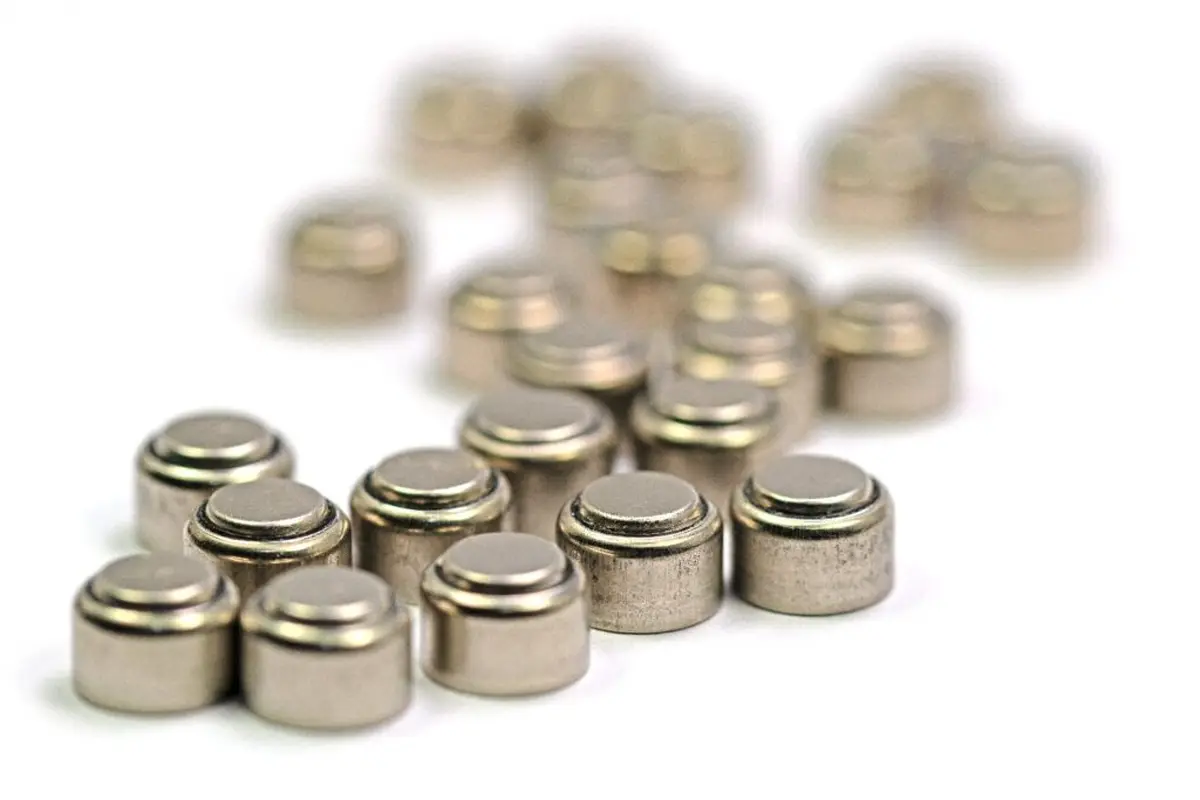
Disposable battery aids use zinc-air button cells in four standard sizes: 10, 13, 312, and 675 (see our complete battery sizes guide). You peel a tab, wait a minute for activation, drop the cell in, and replace it every 3 to 10 days depending on size and usage. Annual battery cost runs roughly $30 to $100.
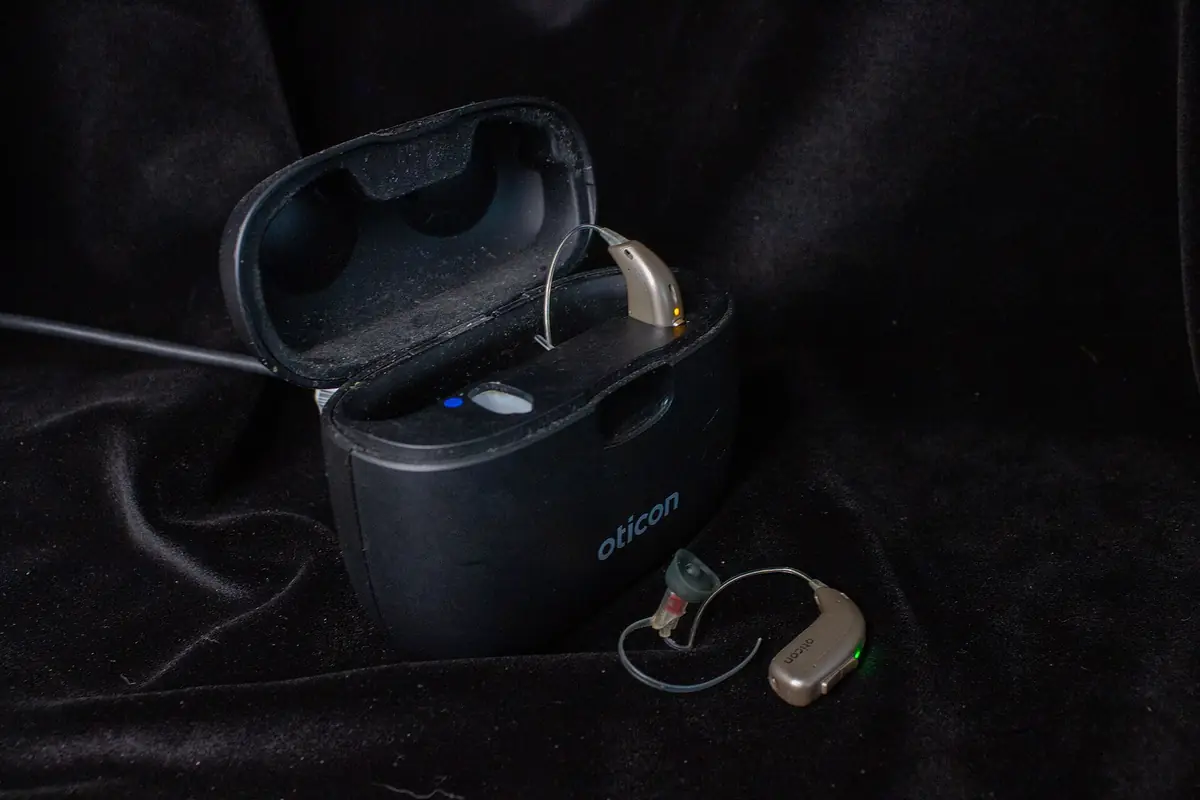
Rechargeable aids contain a built-in lithium-ion cell, like a tiny phone battery. You drop the aids in a charging case overnight and wake up to a full day of power, typically 18 to 30 hours per charge depending on streaming use. No weekly battery swaps, no tiny tabs, no spare cells in your pocket.
Head-to-Head Comparison
| Factor | Rechargeable | Disposable |
|---|---|---|
| Daily routine | Drop in charger overnight; grab and go | Replace cell every 3-10 days; 2-minute task |
| Hours per “fill” | 18-30 hours per charge | 70-250 hours per cell (size dependent) |
| Annual running cost | ~$0 (electricity negligible) | $30-$100 in batteries |
| Long-term cost | Built-in battery may need $200-$400 replacement after 3-5 years | Ongoing battery purchases indefinitely |
| Dexterity needed | Minimal; easiest for arthritis or vision issues | Fiddly; tiny cells and tabs |
| Travel/emergency | Needs charger and power; dead charger = dead aids | Spare cells weigh nothing; works anywhere |
| Environmental impact | Less waste | Hundreds of cells per year per wearer |
Daily Life: Convenience Wins for Rechargeable
For most wearers, rechargeable is simply easier. The nightly ritual becomes automatic within a week: aids go in the case, case does the rest. There is no mid-day battery death if you charge nightly, no tabs to peel with stiff fingers, and no “did I pack spares?” anxiety on ordinary days.
Rechargeable especially suits older adults with dexterity or vision challenges. Handling a size-10 battery (smaller than a pea) with arthritic fingers is genuinely difficult; dropping an aid into a cradle is not. If convenience is your top priority, the decision is nearly made.
The Case for Disposable: Flexibility and Travel
Disposable batteries have one unbeatable trait: instant, infinite range. A card of spare cells weighs nothing, costs little, and revives a dead aid in sixty seconds, anywhere on earth, no outlet required. For frequent travelers, campers, or anyone far from reliable power, that matters.
Disposable also wins on battery anxiety. A rechargeable aid at 10% with no charger nearby is a countdown to silence. A disposable aid at 10% just needs the spare from your wallet. And if the rechargeable’s built-in cell degrades after years (all lithium batteries do), replacement means a service appointment and a few hundred dollars, while disposable aids never face that cliff.
If your battery seems to die too fast on either system, read why hearing aid batteries drain fast before assuming the system is at fault; streaming and settings are common culprits.
Cost Over Five Years
Let us do honest math on a typical pair worn five years:
- Rechargeable: $0 in batteries, but budget a possible $200 to $400 built-in battery replacement around year 3 to 5. Total: $0 to $400.
- Disposable: roughly $50 to $80 per year in cells, or $250 to $400 over five years. Total: $250 to $400.
It is essentially a wash. Do not choose based on cost; choose based on lifestyle. The purchase price of the aids themselves does not differ meaningfully between rechargeable and disposable versions of the same model, though rechargeable is now the default configuration most brands push.
Pros of rechargeable
- Effortless nightly routine
- No tiny batteries to handle
- Best for dexterity or vision issues
- Less battery waste
Cons of rechargeable
- Useless without charger and power
- Built-in battery degrades over years
- Replacement costs $200-$400
- Charging case is one more thing to carry
What About Battery Life Per Charge?
Modern rechargeable aids deliver 18 to 30 hours per charge, with heavy Bluetooth streaming pulling toward the lower end. For a normal 14-to-16-hour wearing day, even heavy streamers finish with reserve. Only all-day streamers (eight-plus hours of calls or audio) should verify the specific model’s streaming battery rating before buying.
Charging cases vary too: basic cases just charge, while premium cases hold 2 to 3 extra full charges for travel without an outlet, neatly solving the travel objection. Ask which case is included; the upgrade is often worth it.
Getting the Most From Either System
Whichever system you choose, small habits extend its life noticeably:
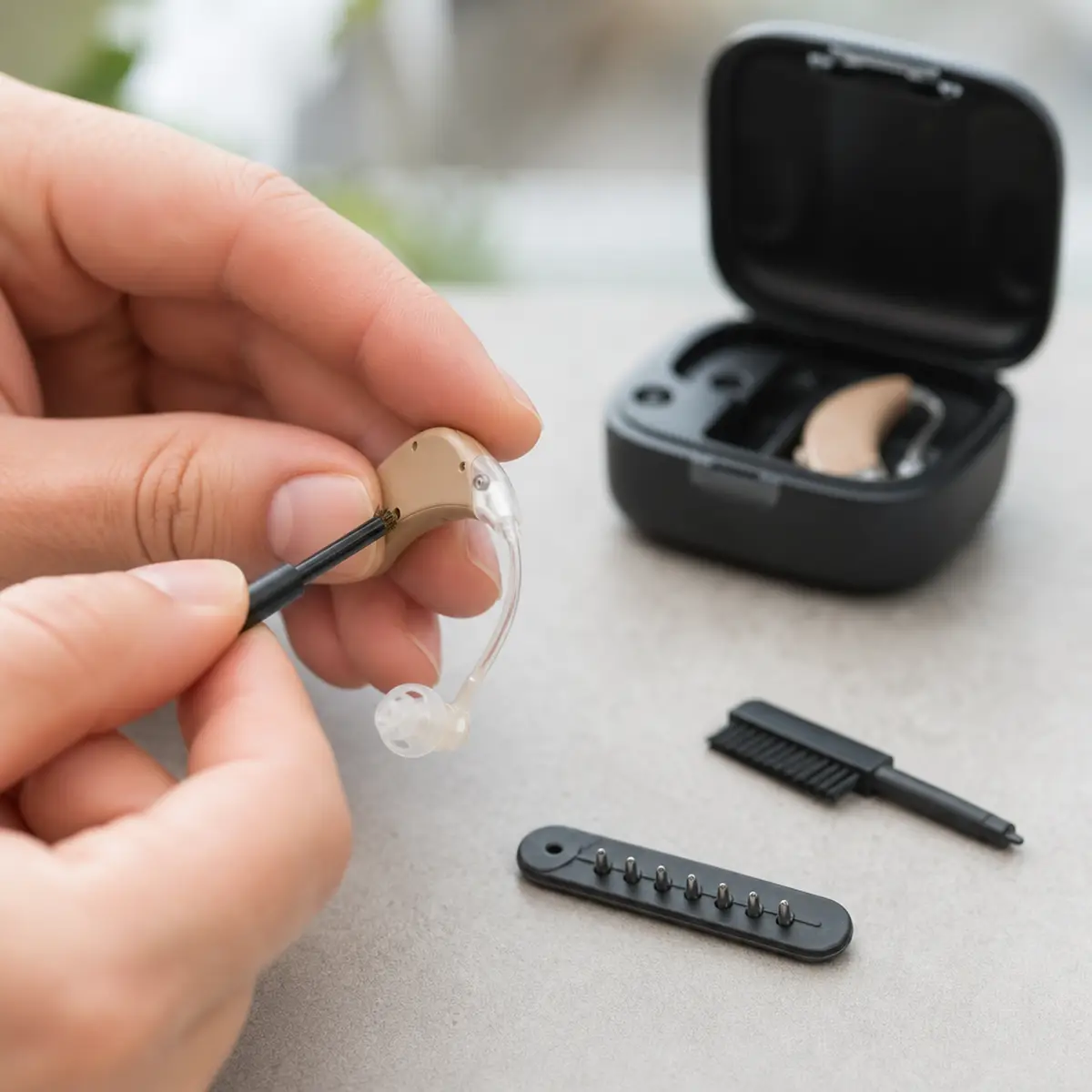
For rechargeable: charge nightly even if the aids are not empty; lithium batteries prefer partial top-ups to deep discharges. Keep the charging contacts clean (a dry cotton swab weekly) since dirty contacts are the number one cause of “my charger stopped working” panic. Do not leave aids baking in a hot car; heat degrades lithium cells faster than anything else. If you will not wear them for weeks, charge to about half first rather than storing them dead.
For disposable: let each new cell breathe for a full minute after peeling the tab; zinc-air batteries need air to activate, and skipping the wait shortens life. Store spare cards at room temperature, not in the bathroom (humidity) or the car (heat). Open the battery door at night to reduce moisture buildup inside the aid, a trick that also helps overall device hygiene.
For both: heavy Bluetooth streaming is the biggest battery drain in modern aids. If your battery drains unusually fast, check streaming hours before blaming the cell. And keep a backup plan: rechargeable wearers should own the travel case with reserve charges; disposable wearers should never be without a spare card. Power security is cheap peace of mind.
Frequently Asked Questions
How long do rechargeable hearing aid batteries last before replacement?
The built-in lithium cell typically holds a strong charge for 3 to 5 years, then capacity fades, just like a phone. Most manufacturers offer battery replacement service for $200 to $400 per aid. Daily charging habits (not leaving aids dead for weeks) maximize lifespan.
Can I switch a rechargeable aid to disposable batteries?
No. The battery system is built into the device design; you cannot convert one to the other. Some models come in both versions, so decide at purchase. If you are unsure, ask your provider which version of your chosen model they recommend for your routine.
What happens if my rechargeable aids die during the day?
Most give low-battery warnings well in advance, and a 15-to-30-minute quick charge typically buys several hours. For true all-day security, the premium travel case with built-in reserve charges is the answer. This is also where understanding realistic battery expectations prevents surprises.
Are rechargeable hearing aids more expensive to buy?
Generally no, not meaningfully. Rechargeable is now the standard configuration, and pricing is set by technology tier, not battery type. Check our 2026 price breakdown for what actually moves the price.
What Manufacturers Don’t Advertise
A few honest caveats the brochures skip. Rechargeable battery ratings (those “24 hours per charge” claims) are measured with moderate streaming; if you stream calls and audio all day, expect meaningfully less, and verify the streaming-specific rating before buying. Also, the charging case itself has a battery that degrades, and replacement cases cost $100 to $250, a line item nobody mentions at purchase.
On the disposable side, the hidden cost is not money but attention: the weekly battery ritual, the tab-peeling, the spare-card logistics. It sounds trivial until it is your 200th battery change. Neither system is free of friction; they just charge you in different currencies, money versus attention. Pick the currency you mind spending less.
The Bottom Line
Choose rechargeable if you want the easiest daily routine, have dexterity or vision concerns, or just hate fiddly batteries. Choose disposable if you travel off-grid, want zero charging anxiety, or prefer a system with no built-in battery to ever replace. Either powers the same excellent hearing technology. Pair your choice with the right style (BTE vs RIC) and the right battery size knowledge, keep up with regular cleaning, and you will never think about power again. The best battery system is the one that fades into the background of your life.