

If you served in the military and now struggle to hear, the Department of Veterans Affairs may be the single best deal in hearing care. Eligible veterans get hearing aids, professional fittings, batteries, and repairs completely free. No copays, no allowances, no fine print about benefit periods. But the key word is eligible, and the rules confuse a lot of veterans. Let us walk through exactly how it works.
Who Qualifies for VA Hearing Aids
VA hearing aid eligibility is tied to your enrollment in VA health care and your priority group or disability status. In general, you may qualify if:
- You have a service-connected disability rating for hearing loss or tinnitus, even at 0 percent (yes, a 0 percent rating for hearing loss can still qualify you for hearing aids).
- You are enrolled in VA health care and your provider determines hearing aids are medically needed, with priority given to higher priority groups.
- You are a former prisoner of war, Purple Heart recipient, or qualify under other special categories.
- You have hearing loss severe enough that it interferes with daily life and you meet VA clinical criteria.
The most reliable path is a service-connected rating for hearing loss or tinnitus. Tinnitus, the ringing in the ears so many veterans live with, is actually one of the most common service-connected conditions, often rated at 10 percent. If you have not filed a claim for hearing-related conditions from your service, it is worth exploring, ideally with help from a Veterans Service Organization.
Veterans without a service-connected hearing condition can still sometimes receive hearing aids through VA audiology if they are enrolled and their clinician determines medical need, though priority and availability vary by facility. Enrollment itself is the essential first step.
What the VA Provides
Forget any image of outdated government-issue devices. The VA dispenses modern, name-brand hearing aids from major manufacturers, including current rechargeable models with Bluetooth streaming. Your VA audiologist selects devices based on your hearing test results and lifestyle, the same way a private clinic would.
The benefit typically covers:
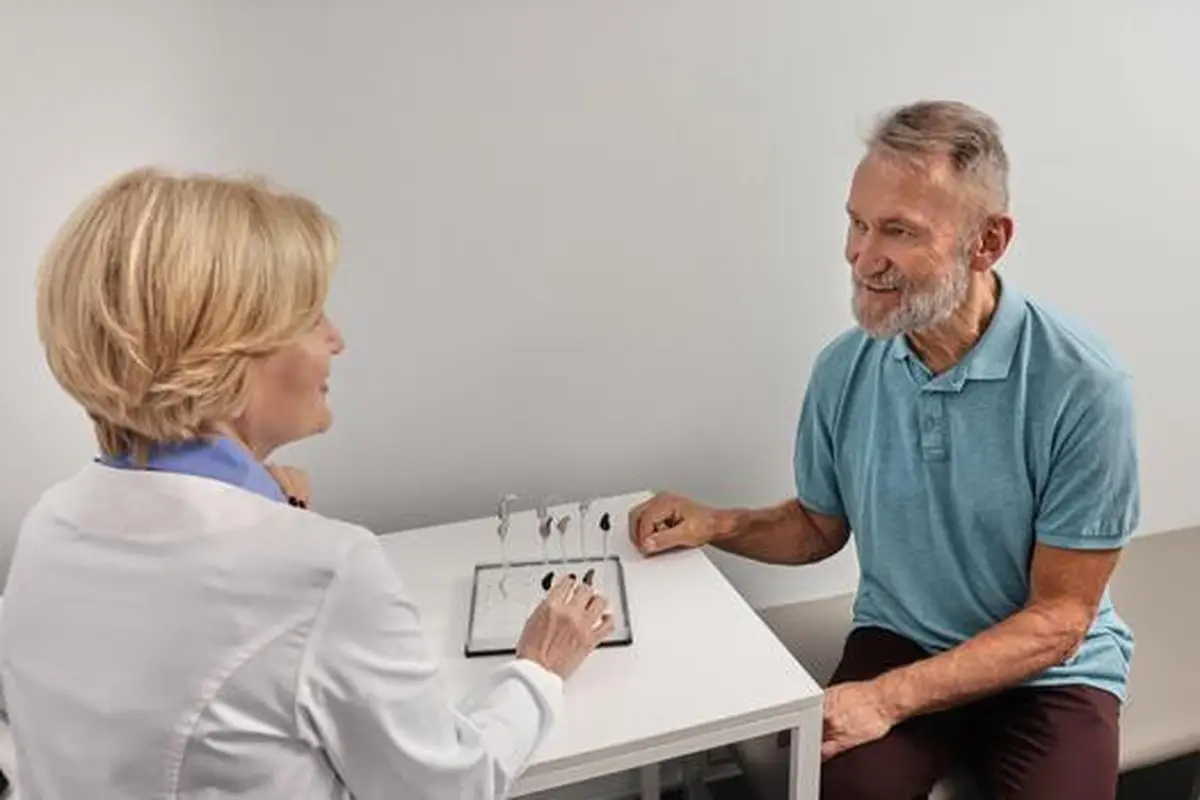
- A comprehensive audiology evaluation
- The hearing aids themselves, fitted to your hearing loss
- Ear molds, fittings, and follow-up adjustments
- Batteries (disposable or charging equipment for rechargeable models)
- Repairs and maintenance through VA audiology
- Replacement devices when yours wear out or your hearing changes
All of this comes at no cost to qualifying veterans. There is no annual allowance to track and no network to navigate, because the VA is both the insurer and the provider.
| Step | What happens | Tips |
|---|---|---|
| 1. Enroll in VA health care | Apply online, by phone, or in person | Do this even if you have other insurance |
| 2. Get a primary care referral | Your VA provider refers you to audiology | Mention hearing difficulty at any appointment |
| 3. Audiology evaluation | Full hearing test with a VA audiologist | Bring any prior hearing test results |
| 4. Device selection and fitting | Audiologist orders and fits your aids | Ask about Bluetooth and rechargeable options |
| 5. Follow-ups and maintenance | Adjustments, batteries, repairs as needed | Report problems early for free fixes |
How to Apply, Step by Step
If you are not yet enrolled in VA health care, start at va.gov or call 1-877-222-8387. Enrollment is free to apply for, and the VA determines your priority group based on service history, disability rating, and income. Many veterans assume they earn too much or do not qualify, and never apply. Apply anyway and let the VA decide.
Once enrolled, tell your VA primary care provider about your hearing trouble at your next visit, or request a referral to audiology directly. The audiology clinic will run a full evaluation. If hearing aids are warranted and you meet the criteria, they order the devices, fit them, and schedule follow-ups. The whole process can take several weeks to a few months depending on your facility’s backlog, so start sooner rather than later.
If you believe your hearing loss is connected to your service but have no rating, consider filing a disability claim. Organizations like the DAV, American Legion, and VFW offer free claims assistance. A service-connected rating for hearing loss or tinnitus not only strengthens your hearing aid eligibility but may come with monthly compensation.
VA vs. Private Hearing Care
Should you use the VA or buy privately? For eligible veterans, the VA usually wins on cost, since the devices and ongoing care are free. Private clinics offer faster appointments and sometimes a wider selection of the newest models, but you will pay thousands out of pocket unless other insurance covers it. Our 2026 price breakdown shows what private care costs for comparison.
One practical approach: use the VA for your primary devices and care, since it costs you nothing. If you want a second pair or the absolute latest model faster than the VA can provide, then consider private or OTC options. Our OTC vs prescription comparison can help you evaluate that second purchase.
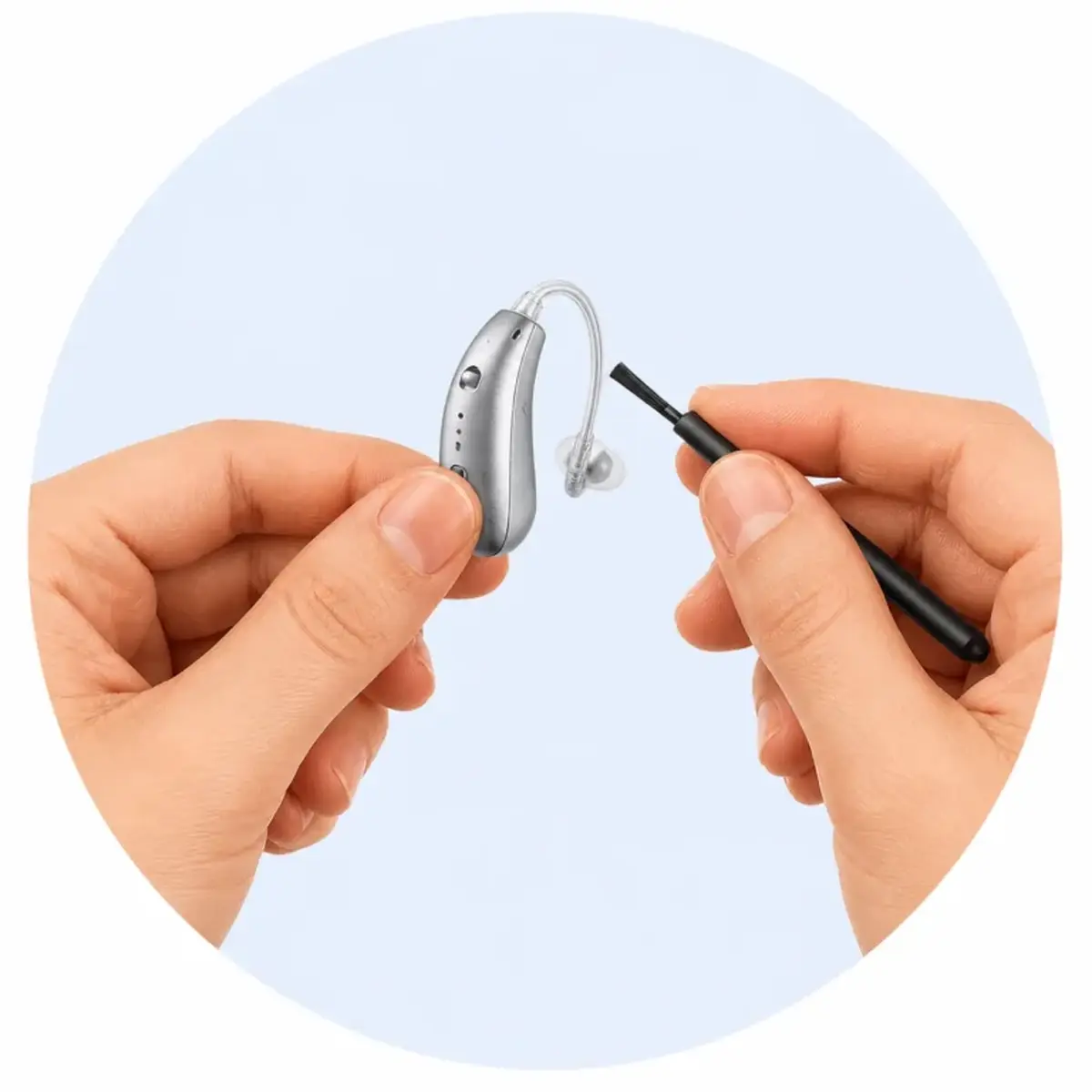
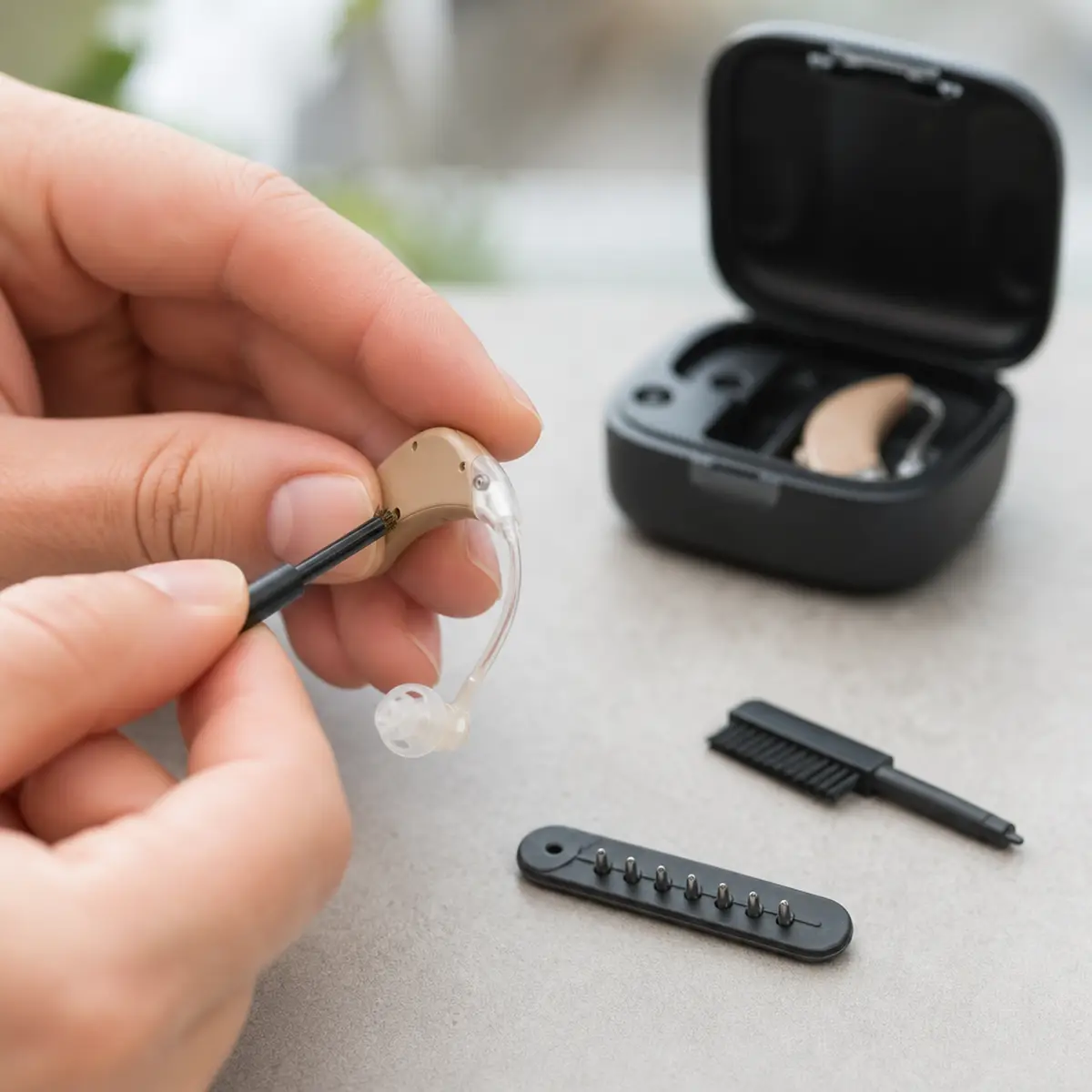
Note that VA hearing aids come with a responsibility to maintain them. Show up for follow-ups, clean them as directed (see our cleaning guide), and report issues promptly. The better you care for them, the longer they last.
Tinnitus Care Through the VA
Ringing, buzzing, or hissing in the ears, known as tinnitus, affects a huge share of veterans, and it is deeply connected to hearing aid benefits. Many veterans do not realize that tinnitus alone, even without major hearing loss, can qualify them for VA audiology care. Tinnitus is one of the most commonly service-connected conditions, frequently rated at 10 percent, and that rating opens the door to the full hearing benefit.
The VA takes tinnitus seriously as a clinical matter, not just a paperwork category. VA audiology clinics offer tinnitus management programs that may include counseling, sound therapy, and hearing aids with built-in tinnitus masking features. Modern hearing aids often include sound generators that produce soothing background noise, which many tinnitus sufferers find genuinely helpful. If ringing bothers you daily, mention it specifically at your audiology evaluation, not just the hearing loss.
Filing a tinnitus claim is also one of the more straightforward VA disability claims, since the condition is so well documented among veterans exposed to noise from weapons, aircraft, engines, and machinery. A Veterans Service Organization can help you file at no cost. Even if your hearing tests near normal, persistent tinnitus connected to your service is worth claiming, both for the monthly compensation and for the hearing care access it unlocks.
Frequently Asked Questions
Do I need a disability rating to get VA hearing aids?
Not always, but it is the clearest path. Veterans with a service-connected rating for hearing loss or tinnitus, even 0 percent, generally qualify. Enrolled veterans without a rating may still receive hearing aids based on clinical need and priority group, but it is less certain. When in doubt, apply and get evaluated.
How long does the VA process take?
It varies by facility. Enrollment can take weeks, and audiology clinics at busy VA centers may have wait times of one to several months for the initial evaluation. Once approved, ordering and fitting usually move faster. Start the process well before you urgently need the devices.
Can I choose which brand of hearing aid I get?
Mostly your audiologist chooses based on your hearing profile, but you can discuss preferences. The VA contracts with major manufacturers, so the devices are current, quality models. If you have strong feelings about features like rechargeability or Bluetooth, mention them at your fitting.
Does the VA cover hearing aid repairs and batteries?
Yes. Ongoing maintenance, repairs, and batteries (or charging supplies) are part of the benefit for veterans who received their devices through the VA. Contact your VA audiology clinic when something breaks rather than paying a private shop.
What if I do not qualify for VA hearing aids?
You still have options. Our guide to free and low-cost hearing aid programs includes veteran-focused charities, and quality OTC hearing aids now start around $100 a pair. State vocational rehabilitation programs are another avenue worth checking.
The Bottom Line
For veterans who qualify, VA hearing benefits are genuinely excellent: modern devices, professional care, and zero cost. The hardest part is often just getting started, so enroll in VA health care, ask for an audiology referral, and file a claim if your hearing loss connects to your service. You earned this benefit. Use it. And if you are weighing VA care against private options, our Medicare coverage guide explains how the programs compare for senior veterans.
Sources: va.gov (health care eligibility and audiology services), VA hearing aid program information.