
Audien made its name with the $99 Atom, but the company’s lineup has grown into a full family of devices. The most common point of confusion for shoppers is the choice between the Atom series and the Ion series. They are both affordable, both rechargeable, both FDA-registered OTC hearing aids. But they are designed for different ears, different needs, and different budgets.
This guide compares the Atom and Ion lineups head to head, covering design, sound, battery, features, and price, so you can pick the right Audien the first time.
The Lineups at a Glance
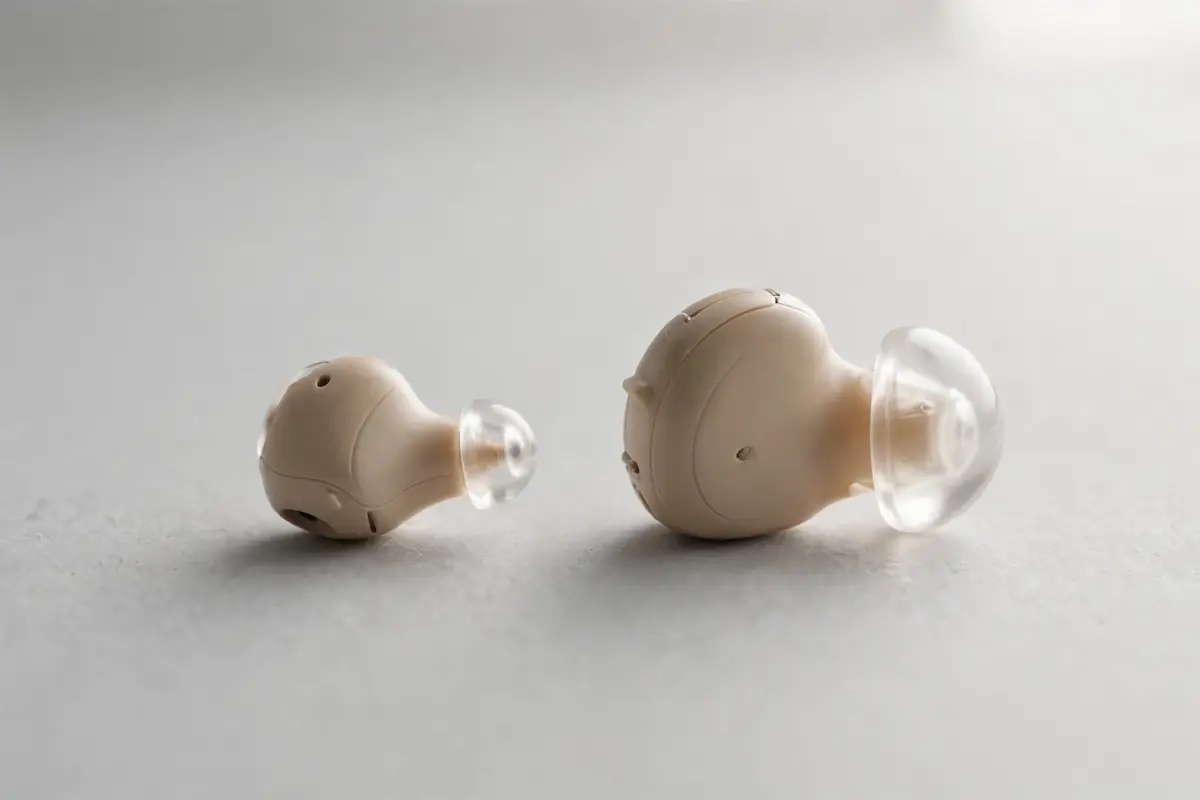
The Atom series is Audien’s in-canal line: tiny devices that sit inside the ear canal. The original Atom lists at $99 per pair, the Atom 2 around $189, the Atom Pro 2 around $289, and the Atom X around $389. As you climb the ladder you gain noise reduction, smaller size, UV-cleaning cases, and eventually Bluetooth streaming on the Atom X.
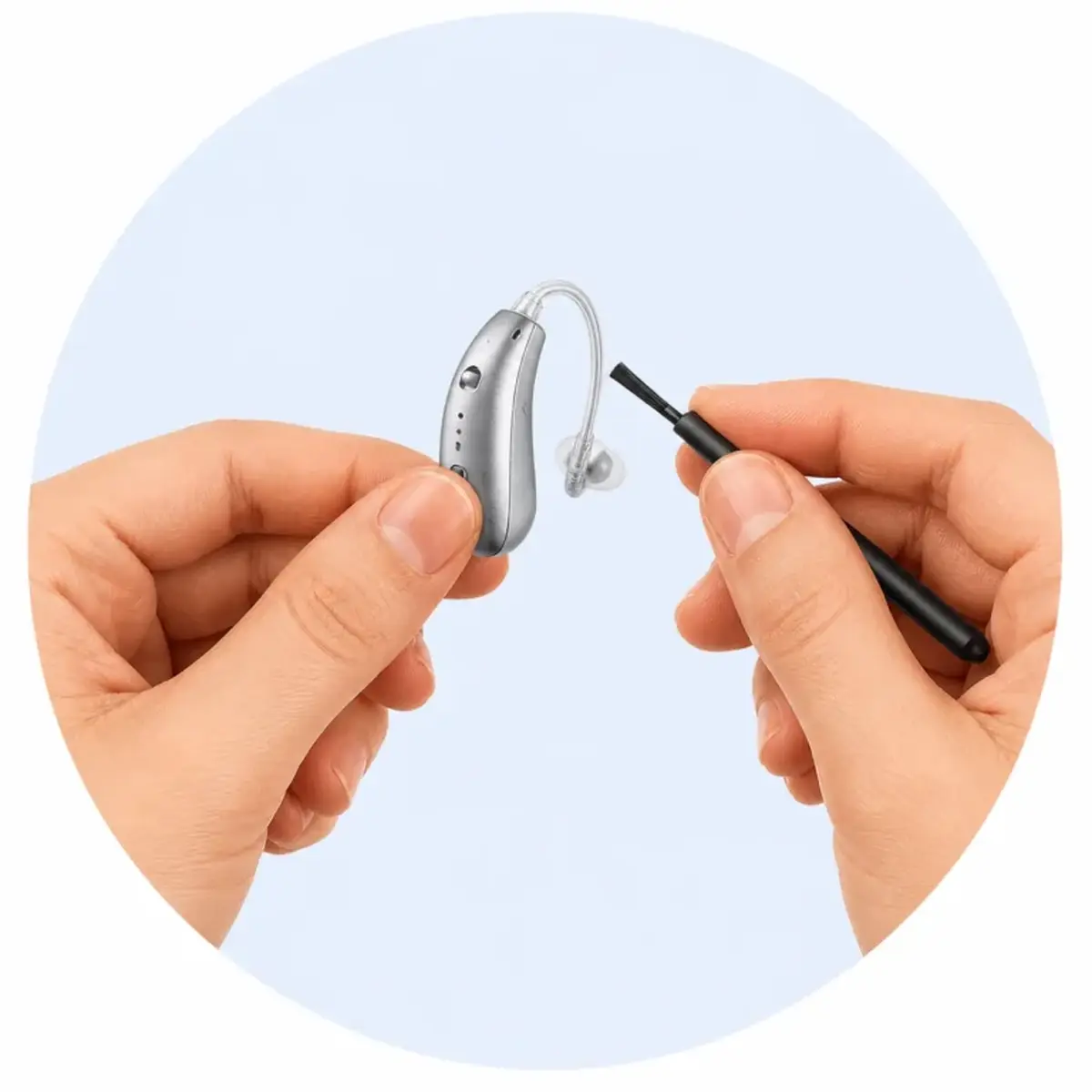
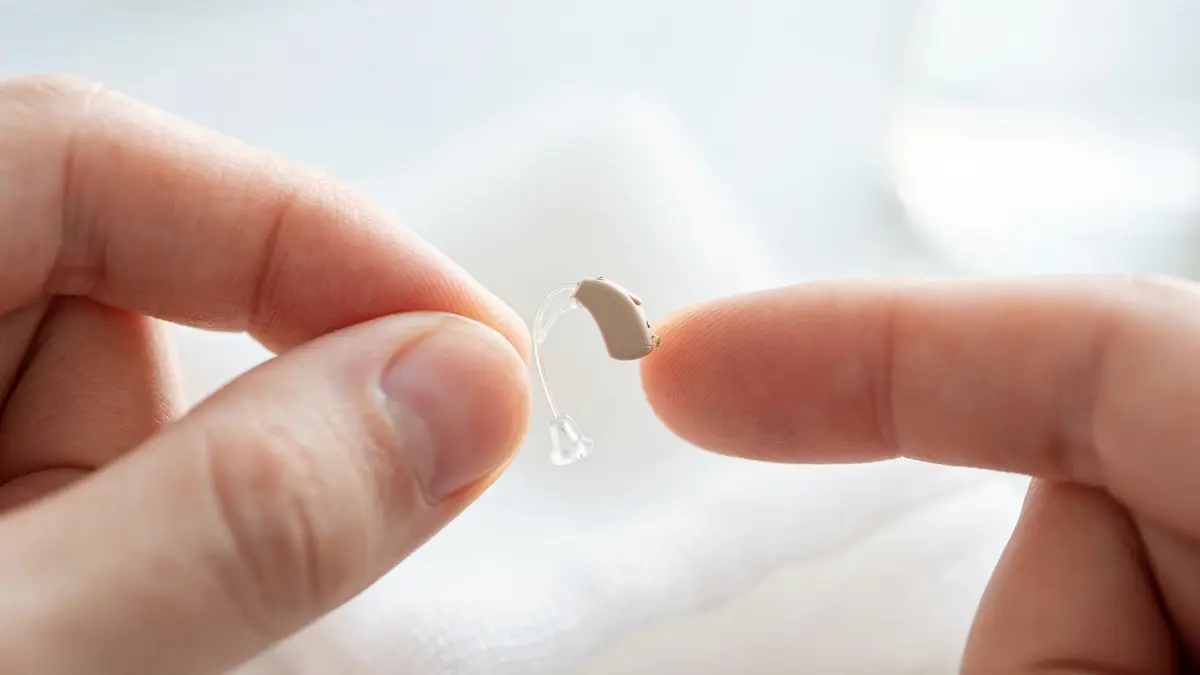
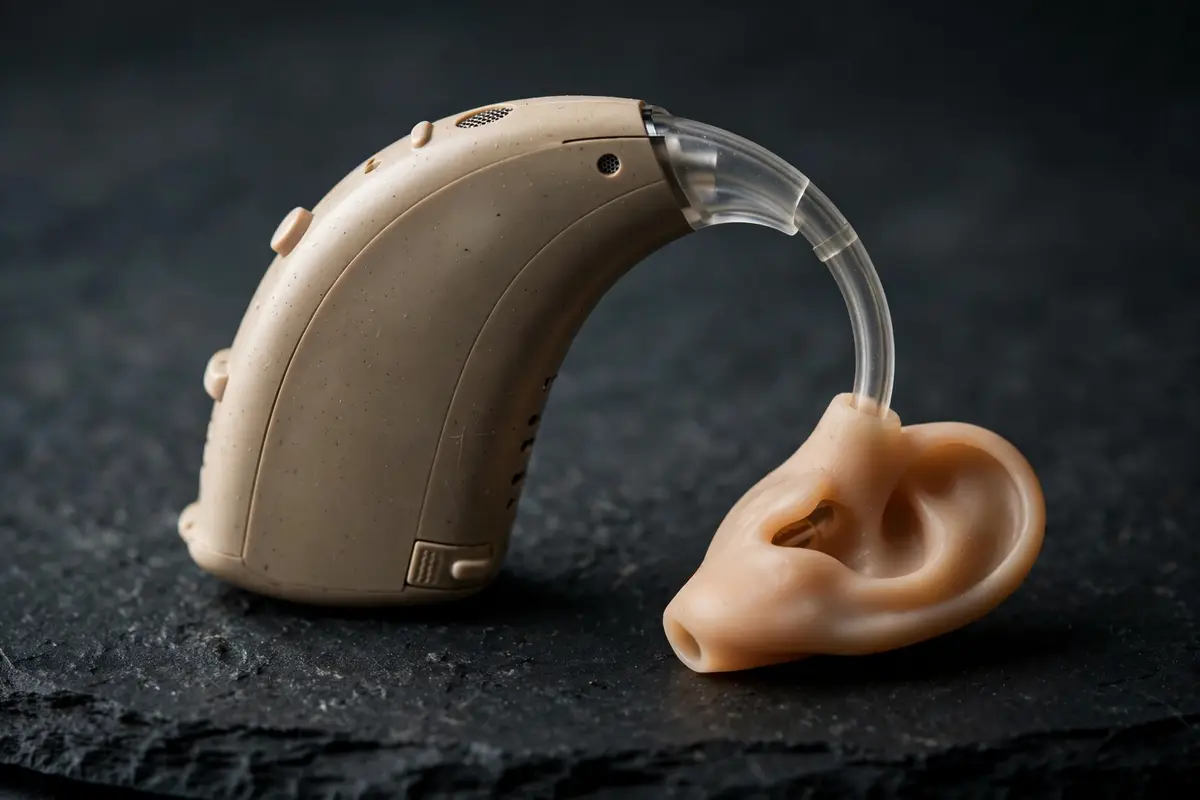
The Ion series is Audien’s behind-the-ear line: a small unit hooks over the ear with a tube leading into the canal. The Ion Pro lists around $489 to $689 per pair depending on promotions. It is the more capable device overall, with stronger amplification, more sound processing, and Bluetooth connectivity on current models.
Think of it this way: the Atom line prioritizes discretion and simplicity, while the Ion line prioritizes performance and features. Your choice comes down to which of those matters more to you.
Side-by-Side Comparison
| Feature | Atom Series (from $99) | Ion Pro (~$489-$689) |
|---|---|---|
| Style | In-the-canal (nearly invisible) | Behind-the-ear |
| Battery | Rechargeable, ~20-24 hours | Rechargeable, up to 48 hours claimed |
| Bluetooth | Only on Atom X | Yes, on current models |
| Noise reduction | Basic (better on Pro 2) | More advanced processing |
| App control | No | Model-dependent |
| Hearing loss range | Mild (moderate on higher models) | Mild to moderate |
| Ease of handling | Tiny, needs dexterity | Larger, easier to handle |
| Trial period | 45 days | 45 days |
Design and Comfort
The Atom’s in-canal design is its defining trait. The devices disappear into the ear, which first-time buyers love. The trade-off is handling: they are small, the controls are small, and inserting them correctly takes practice. Buyers with arthritis or vision difficulties often find them fiddly.
The Ion’s behind-the-ear design is more visible but far more practical. The unit rests over the ear where your fingers can actually find it, controls are larger, and the fit is generally more secure during activity. BTE designs also allow bigger microphones and batteries, which is part of why the Ion can offer longer battery life and stronger processing. If you are torn between form factors generally, our BTE vs RIC comparison explains the trade-offs across the whole market.
Sound Quality and Performance
Independent lab testing of the original Atom found excellent feedback control but below-average speech clarity, especially in background noise. It is honest basic amplification: fine for TV and quiet conversation with mild loss, limited elsewhere. The step-up Atom models improve on this, with the Pro 2 adding meaningful noise reduction.
The Ion Pro sits a tier above in processing power. Its larger form factor accommodates more sophisticated sound processing, and buyers report better performance in varied environments. It is still a budget device, not a prescription competitor, but the gap between the Ion Pro and the base Atom is audible to most users.
Neither device streams as well as Bluetooth-first competitors, though the Ion’s connectivity is a genuine advantage over the non-X Atom models. If streaming is central to your decision, compare against the Jabra Enhance Select before committing.
Battery Life
The Atom series is rated at 20 to 24 hours per charge depending on the model, which covers a full day with margin. The Ion Pro claims up to 48 hours, though real-world use with Bluetooth streaming will land lower. Both charge in their included cases overnight.
In practice, both are fine for daily routines. The Ion’s longer rating matters most for travelers or anyone who occasionally forgets to charge. Either way, establish the nightly habit: aids in the case, case plugged in. Our rechargeable vs disposable battery guide has tips for maximizing rechargeable lifespan.
Atom Strengths
- Nearly invisible in-canal design
- Unbeatable $99 starting price
- Simple, no app required
- Excellent feedback control
- Good first step for mild loss
Atom Weaknesses
- Basic sound processing
- Weak in noisy environments
- Tiny and fiddly to handle
- No Bluetooth except Atom X
- Limited to mild loss
Ion Strengths
- Stronger amplification and processing
- Bluetooth connectivity
- Longer battery life
- Easier to handle and fit
- Better for moderate loss
Ion Weaknesses
- Visible behind-the-ear design
- Costs 5-7x the base Atom
- Still a budget device, not premium
- Less discreet for self-conscious buyers
Price and Value
The Atom starts at $99, which makes it the cheapest legitimate entry point in hearing aids, period. The Ion Pro at roughly $489 to $689 costs several times more, but it also competes with $300 to $600 devices from other brands rather than with the Atom. Do not think of the Ion as an expensive Atom. Think of it as Audien’s answer to the mid-range budget category.
Value depends on your needs. If the $99 Atom handles your mild loss in quiet settings, nothing beats its value. If you need the Ion’s stronger processing, its value should be judged against competitors like the MDHearing Volt Max 2 at $597, which brings app-based fitting and professional support to the same price bracket. Our MDHearing vs Audien comparison covers that rivalry directly.
Who Should Choose Which
Choose the Atom if your loss is mild, discretion is your top priority, your budget is tight, you want zero learning curve, and your difficult listening happens in quiet settings. The base Atom is the pick for minimal needs; the Pro 2 is worth the step up if you want noise reduction in a discreet package.
Choose the Ion if your loss is mild to moderate, you want Bluetooth streaming, you need stronger amplification, you prefer easier handling, or you spend time in varied noise environments. It is the more capable hearing aid by a clear margin.
Choose neither and consult an audiologist if your loss is severe, you have single-sided deafness, or you have medical ear conditions. Our OTC vs prescription guide explains when professional care is the right call. And for the full picture of what Audien’s cheapest model does well and poorly, read our Audien Atom review.
Can You Upgrade Within Audien Later?
A common buyer question: if I start with the $99 Atom and want more later, am I stuck? The practical answer is no, but the path matters. Audien’s 45-day trial applies per purchase, so you can try the Atom, return it within the window, and step up to the Pro 2 or Ion if you find the base model lacking. That is a legitimate strategy for cautious buyers: spend $99 to confirm that amplification helps you at all, then invest more once you know.
Outside the trial window, upgrading means buying the new model outright. There is no trade-in program, so time your decision within the 45 days if you suspect you will want more. A useful rule of thumb: if within the first two weeks you consistently wish for clearer sound in noise, louder maximum output, or phone streaming, those are hardware limitations the base Atom will not grow out of. Step up rather than hoping you will adjust.
Also consider the reverse path. Some buyers start ambitious with the Ion Pro and realize they never use the Bluetooth features and find the BTE style annoying. Downgrading to a simpler Atom within the trial window is equally valid. The right device is the one that matches your actual life, not the one with the longest spec sheet. Our 15 questions to ask before buying can help you sort out which features you will genuinely use.
Frequently Asked Questions
Can I use FSA or HSA money for Audien products?
Yes. Audien accepts FSA and HSA cards at checkout for all models. See our FSA/HSA hearing aid guide for details.
Which Audien is best for severe hearing loss?
None of them. The Atom line targets mild loss and the Ion targets mild to moderate. Severe loss requires prescription hearing aids with professional fitting.
Do Audien hearing aids come with a trial period?
Yes, 45 days on direct purchases. If the devices are not helping, return them within the window for a refund.
Is the Atom X worth it over the base Atom?
The Atom X at around $389 adds Bluetooth streaming and better processing, but at that price you are close to competitors with stronger overall packages. It makes sense mainly if you specifically want an Audien in-canal device with streaming.
Our Verdict
The Atom and Ion serve different buyers, so the winner is the one that matches your ears. The Atom is the ultimate budget entry: invisible, simple, and $99. The Ion is the better hearing aid: stronger, smarter, and easier to live with, at a mid-range budget price. Buy the Atom for mild loss on a tight budget. Buy the Ion when you need more help than the Atom can give. And if you are still deciding between brands at the Ion’s price, put the MDHearing Volt Max 2 on your shortlist too.