
MDHearing has been selling affordable hearing aids online since long before OTC hearing aids were a regulatory category. The Chicago-based company built its reputation on a simple idea: cut out the clinic markup, sell direct, and support customers by phone and video instead of in person. With the VOLT 4 now listed at $397 a pair (often on sale around $357), MDHearing sits in an interesting middle ground: far cheaper than prescription aids, but noticeably more capable than the sub-$200 crowd.
So are they worth it? Based on the company’s specifications, trial terms, support model, and verified buyer feedback, the answer is yes for the right buyer. Here is the full picture.
What You Get: The MDHearing Lineup
MDHearing sells several models, and the naming takes a minute to sort out. The entry-level models, the Air and Neo, are listed around $197 per pair. They are basic behind-the-ear devices with essential amplification, suited for straightforward mild loss. The Volt series steps things up: the Volt+ and Neo XS sit around $297 to $497, adding more programs and better noise handling.
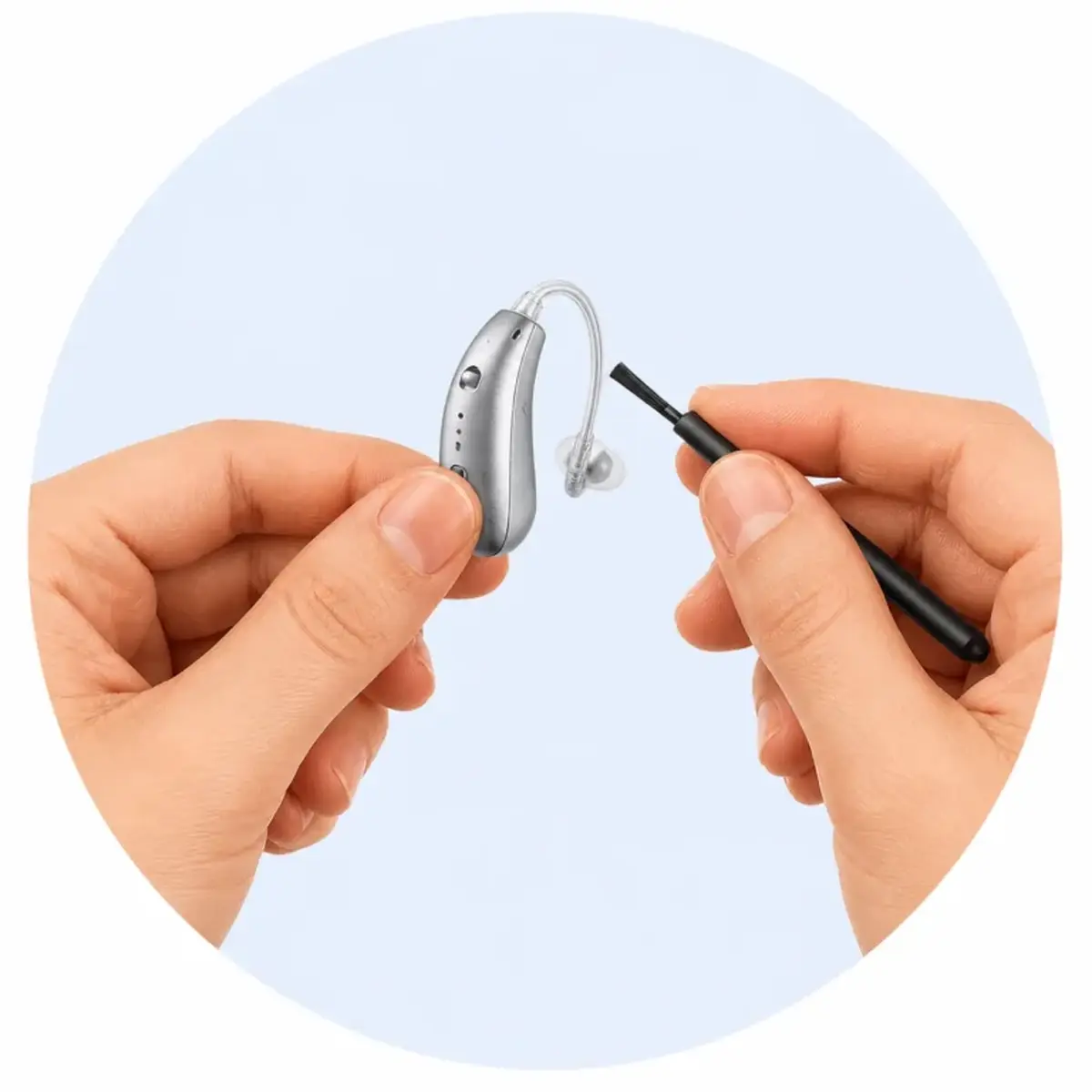
The flagship is the VOLT 4, listed at $397 per pair. This is the model most buyers should focus on, because it is where MDHearing’s value proposition is strongest. It is a rechargeable behind-the-ear device with Bluetooth connectivity, an app for personalization, adaptive directional microphones, and feedback cancellation. You create a hearing profile in the MDHearing app, and the aids tune themselves to it. No clinic visit, no audiogram upload required, though you can get professional help if you want it.
Every purchase includes free shipping, a 60-day risk-free trial with free return shipping, and free lifetime support. The trial length matters: 60 days is longer than the 45 days many competitors offer, and adjusting to hearing aids takes weeks, so the extra time is genuinely useful.
Key Specs: VOLT 4 at a Glance
| Specification | VOLT 4 |
|---|---|
| Listed price | $397 per pair (often on sale around $357) |
| Style | Behind-the-ear (BTE), rechargeable |
| Hearing loss range | Mild to moderate |
| Battery | Rechargeable, all-day life; portable charging case holds extra charges |
| Bluetooth | Yes, app connectivity |
| Programs | 4 listening environments, adaptive directional microphones |
| Trial period | 60 days, 100% money-back |
| Warranty | 1 year (2 years with VIP Care) |
| Professional support | Free telehealth setup; licensed pros available |
| FDA status | FDA-registered OTC hearing aid |
Sound, App, and Everyday Use
The VOLT 4’s headline feature is personalization. Using the smartphone app, you build a profile for each ear and the aids adjust their amplification accordingly. Four listening programs (adaptive, quiet, social, restaurant) let you switch modes for different environments, either manually or automatically. Adaptive directional microphones focus on voices in front of you while softening background noise, which is the feature that most separates mid-range aids from basic ones.
In practice, verified buyers report that the VOLT 4 sounds clearly better than entry-level OTC aids, particularly in conversations and TV watching. The most common complaints are familiar ones for the category: performance in very noisy restaurants is merely okay, and the behind-the-ear style is visible in a way that in-canal devices are not. A few users mention a learning curve with the app, though MDHearing’s free telehealth setup appointment exists precisely for that.
That support model deserves emphasis. MDHearing employs licensed hearing professionals who will help you set up and fine-tune your aids by phone or video, free. The VIP Care bundle ($797 for the pair) extends this to priority support, remote fine-tuning, and a two-year warranty. For buyers nervous about going it alone, this is a meaningful safety net that most budget brands do not offer.
Comfort, Battery, and Build
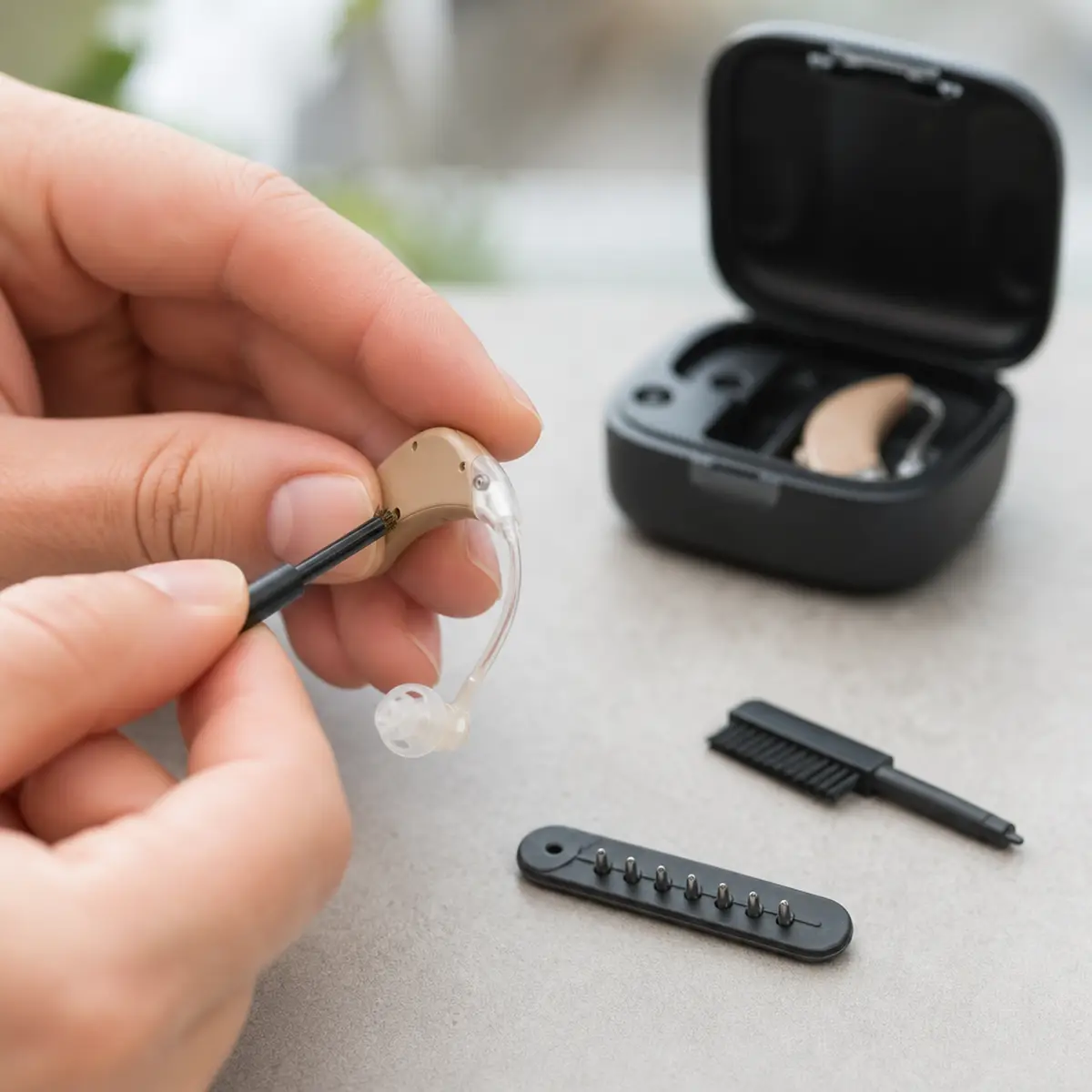
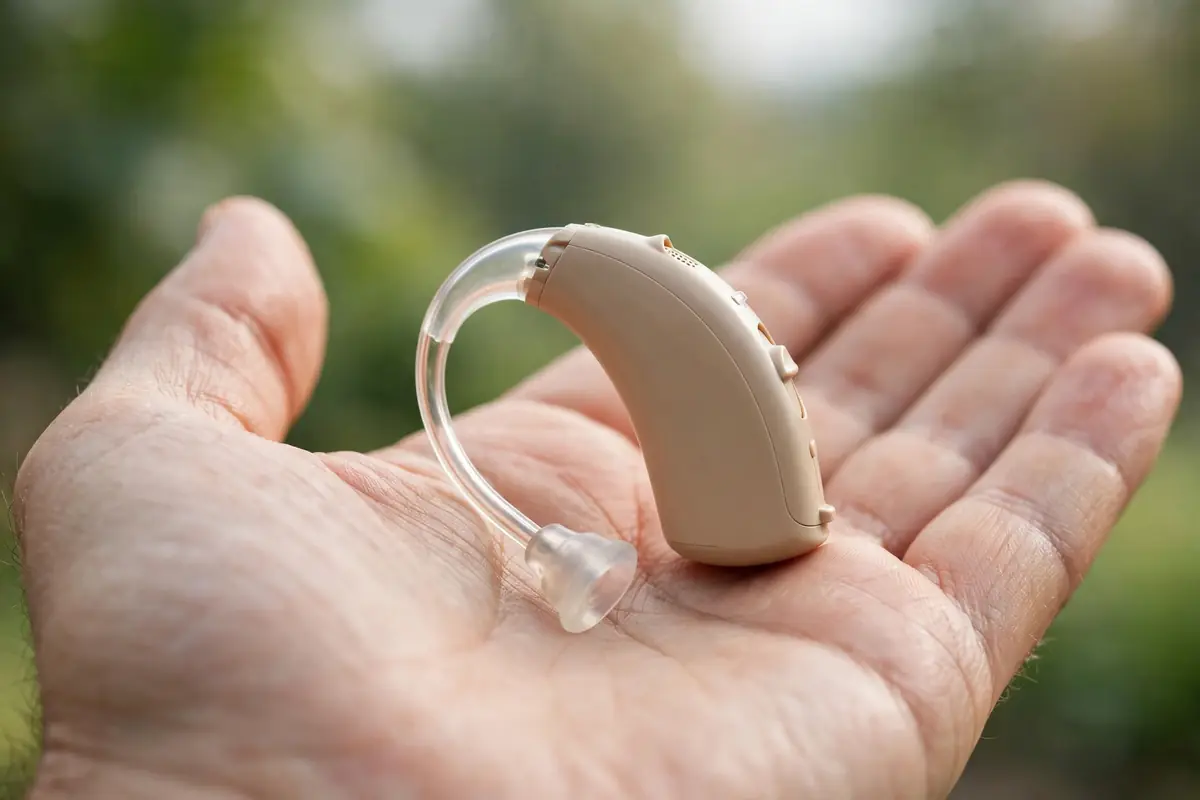
As a BTE device, the VOLT 4 hooks over your ear with a thin tube leading to a tip in the canal. It is comfortable for all-day wear once fitted with the right tip size, and BTEs have a practical advantage: they are easier to handle than tiny in-canal devices, with larger controls and a more secure fit. The trade-off is visibility. If invisibility is your top priority, an in-canal aid like the Eargo 8 hides better, at more than triple the price.
Battery life covers a full day on a single charge, and the portable charging case holds additional charges for travel. Charging takes around four hours. Like all rechargeable aids, you will want to establish a nightly routine: aids in the case, case plugged in. Our rechargeable vs disposable guide covers the habits that keep rechargeable aids healthy.
Who Should Buy (and Who Should Skip)
MDHearing is a strong fit if your loss is mild to moderate, you are comfortable with a smartphone app, you want professional backup without clinic prices, and your budget tops out under $800. It is also a sensible pick for a first pair: the 60-day trial and free support lower the risk of the whole experiment.
Look elsewhere if your loss is severe or profound, which needs prescription power and in-person programming. Skip it too if you need a truly invisible device, want advanced streaming features like hands-free calling, or do not use a smartphone at all, since the app is central to getting the best sound. Anyone unsure where they fall should read our OTC vs prescription hearing aids guide first.
Pricing and Where to Buy
Buy direct from MDHearing’s official website to get the 60-day trial, free shipping, and warranty coverage. The VOLT 4 is listed at $597 per pair, or $797 with VIP Care. Entry models start at $197. The company accepts FSA and HSA cards and offers financing at checkout. Third-party sellers occasionally discount older models, but you may lose trial and support benefits, so weigh that carefully.
For a direct budget-brand showdown, see our MDHearing vs Audien comparison. And if you are still mapping the full cost landscape, our 2026 hearing aid price breakdown puts these numbers in context.
What the First Month Feels Like
Almost nobody loves their hearing aids on day one, and that is normal. Your brain has spent months or years adapting to muffled input, so restored sound initially feels harsh. Paper rustling sounds like thunder. Your own footsteps thud. Most audiologists describe a 2 to 4 week adjustment period, and MDHearing’s 60-day trial is built around giving you that full runway.
The practical advice: wear the aids consistently, starting with a few hours a day and building up. Resist the urge to crank the volume on day one. Use the app’s programs deliberately, quiet mode at home, social mode when out, so your brain learns what each setting does. And book the free telehealth appointment in week two, not week six. A small fine-tuning adjustment early prevents the bad habits, like wearing only one aid, that make adaptation harder. Our guide to the hearing aid adjustment period covers the week-by-week timeline in detail.
Frequently Asked Questions
Are MDHearing aids FDA approved?
MDHearing devices are FDA-registered OTC hearing aids, the proper regulatory status for this category. See the FDA’s hearing aids page for how OTC regulation works, and our FDA OTC list for more background.
Do I need a hearing test before ordering?
No. The app-based fitting builds your profile from your responses. However, having a recent audiogram helps the support team fine-tune your aids if you use the free telehealth appointment. Our guide to reading your audiogram explains what those results mean.
What is VIP Care and is it worth it?
VIP Care ($797 total for the VOLT 4 pair) adds one-on-one virtual appointments with a licensed hearing professional, priority support, remote fine-tuning, and an extended two-year warranty. If you are anxious about self-fitting, it is reasonable value. Confident app users can skip it.
Can I return them if they do not help?
Yes. MDHearing offers a 60-day risk-free trial with a 100% money-back guarantee and free return shipping on direct purchases.
How do MDHearing aids compare to Costco hearing aids?
Costco’s prescription aids (around $1,500 to $1,700 a pair) include in-person fitting and are more powerful, but cost roughly triple. MDHearing wins on price and convenience; Costco wins on hands-on care and severe-loss capability.
Our Verdict
MDHearing earns its reputation. The VOLT 4 delivers app-based personalization, directional microphones, Bluetooth, and genuine professional support for $597, backed by a 60-day trial. It is not a prescription aid and will not match one in noise, but as an OTC value proposition it is one of the strongest in the industry. Budget buyers who want features, not just amplification, should start here. Compare it directly with its closest rival in MDHearing vs Audien.