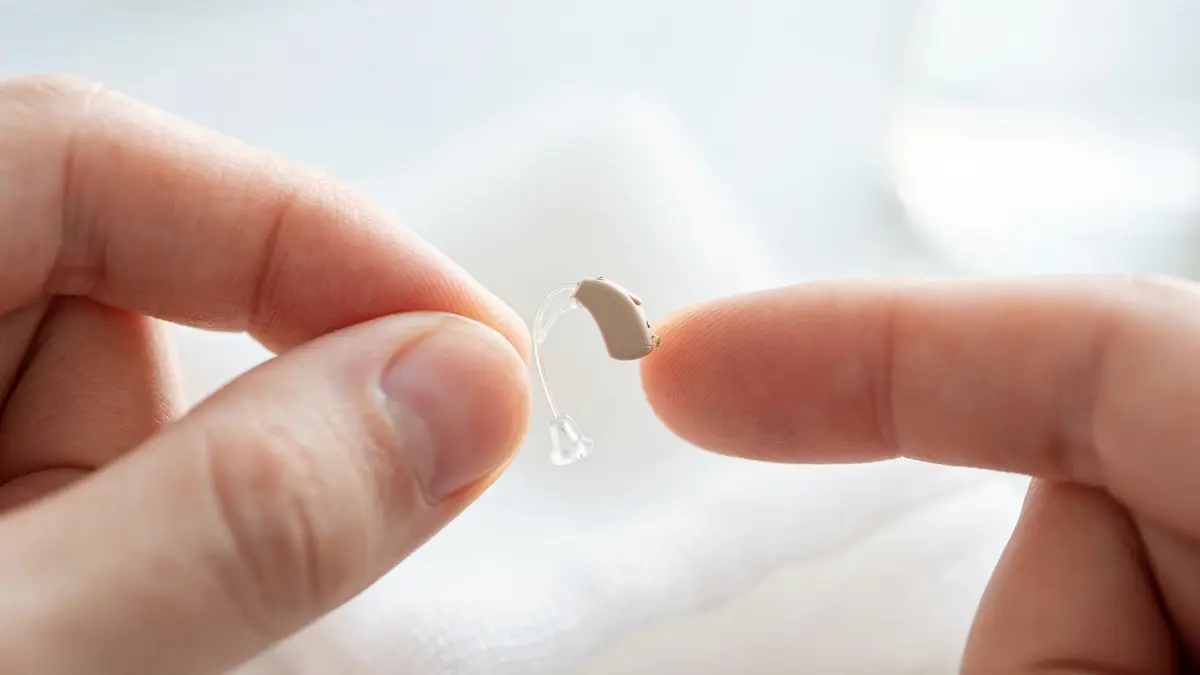
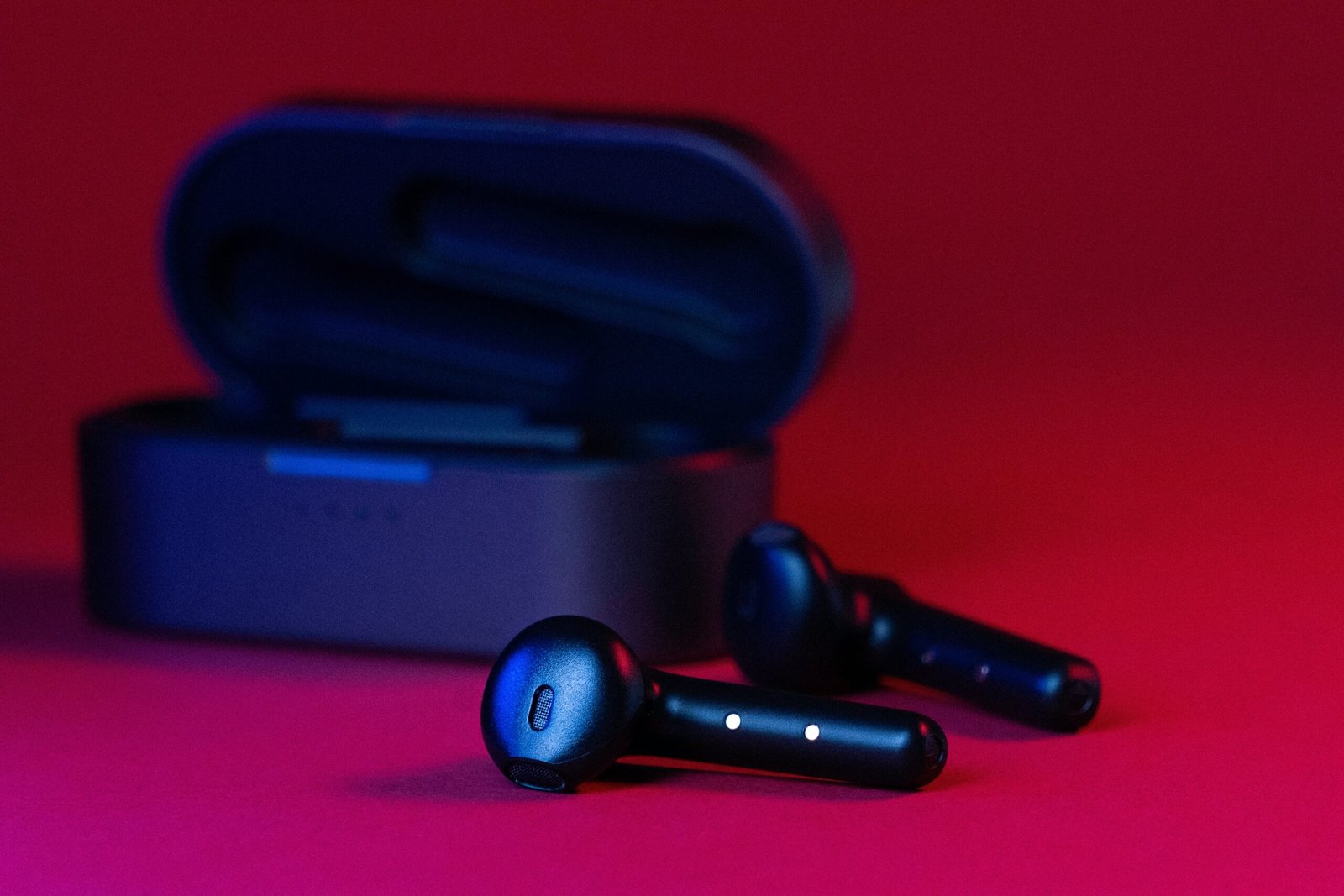

Ever since Apple added an FDA-authorized Hearing Aid feature to the AirPods Pro 2, one question keeps coming up: can a pair of earbuds actually replace real hearing aids? It is a fair question, because the price difference is dramatic and the convenience is tempting. But earbuds and hearing aids are designed for fundamentally different jobs, and that difference shows up in daily life. This comparison walks through the factors that actually matter: sound quality, battery, comfort, price, and support, so you can make an honest decision.
Sound Quality and Amplification
Both devices amplify sound, but they do it differently. The AirPods Pro 2 Hearing Aid feature builds a personalized profile from your hearing test and applies frequency-specific gain, which is genuinely similar to how entry-level hearing aids work. In quiet rooms and one-on-one conversations, many users report a clear, noticeable improvement.
Dedicated hearing aids go further in difficult situations. They use multiple microphones, directional beamforming, and dedicated sound processors tuned for speech in noise, the exact scenario where most people struggle. Premium OTC models like the Jabra Enhance Select also include features like wind noise reduction and feedback cancellation refined over decades of hearing-specific engineering. In a noisy restaurant, that specialization matters more than raw amplification power.
There is also the question of processing delay. Hearing aids are engineered for near-zero latency because even tiny delays between what you see and hear feel unnatural. Earbuds, which route audio through a phone’s Bluetooth stack for calls and media, can introduce slight lag in some modes. For conversation in the room with you, the AirPods’ Hearing Aid mode processes locally and feels natural, but it is worth knowing the engineering priorities differ.
Battery Life: The Deciding Factor for Many
This is where the comparison gets lopsided. AirPods Pro 2 deliver roughly 6 hours in Hearing Aid mode. That covers a morning of meetings or an evening out, but not a full day. You will be dropping them back in the charging case midday, and if you forget, you are suddenly without hearing help.
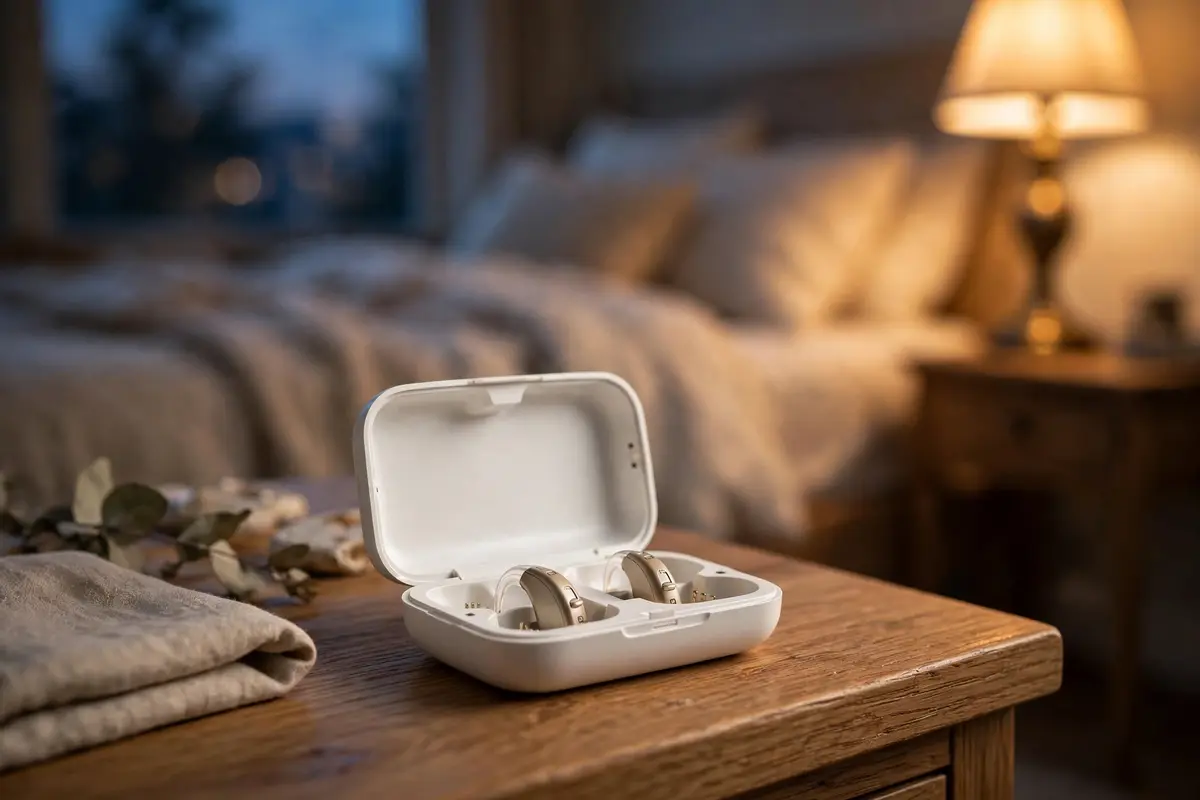
Rechargeable OTC hearing aids routinely deliver 16 to 30 hours per charge. You put them in when you wake up, take them out at bedtime, and charge overnight, the same rhythm as your phone. Disposable-battery models last 3 to 10 days per cell depending on size and streaming. For anyone who needs consistent, all-day hearing support, this gap alone often settles the debate. Our battery sizes guide explains what to expect from each type.
Comfort and All-Day Wear
AirPods are designed for music sessions, workouts, and calls: bursts of wear, not 14-hour days. The silicone tips seal your ear canal, which can cause a plugged-up sensation (audiologists call it the occlusion effect) and soreness over long stretches. Some people tolerate it fine; many do not.
Hearing aids are designed from the ground up for all-day wear. Receiver-in-canal models use soft, vented domes that let your ear breathe. Custom earmolds distribute pressure evenly. They weigh just a few grams and sit behind or inside the ear so naturally that most wearers forget them within a week or two. If you have ever worn earbuds for a full workday and felt relief taking them out, you already understand this difference. Our hearing aid types guide shows the designs built for comfort.
Price and Ongoing Costs
| Cost Factor | AirPods Pro 2 | OTC Hearing Aids | Prescription Hearing Aids |
|---|---|---|---|
| Upfront price | ~$249 (often discounted) | $99 to $1,500 per pair | $1,000 to $4,000+ per pair |
| Requires iPhone | Yes, for hearing features | No, work with iPhone and Android | No |
| Professional fitting | Not included | Varies by brand | Included in price |
| Typical lifespan | 2 to 3 years (battery degrades) | 3 to 5 years | 5 to 7 years |
| Warranty | 1 year Apple warranty | 1 to 2 years typical | 2 to 3 years typical |
On upfront price alone, AirPods look like a bargain next to prescription aids. But compare them honestly against budget OTC options: the Audien Atom costs around $99, and MDHearing devices start in the low hundreds. Both are purpose-built for hearing loss and last all day. The AirPods only look cheap if you ignore the OTC category entirely. For the full pricing picture, see our 2026 hearing aid cost breakdown.
Professional Support and Adjustments
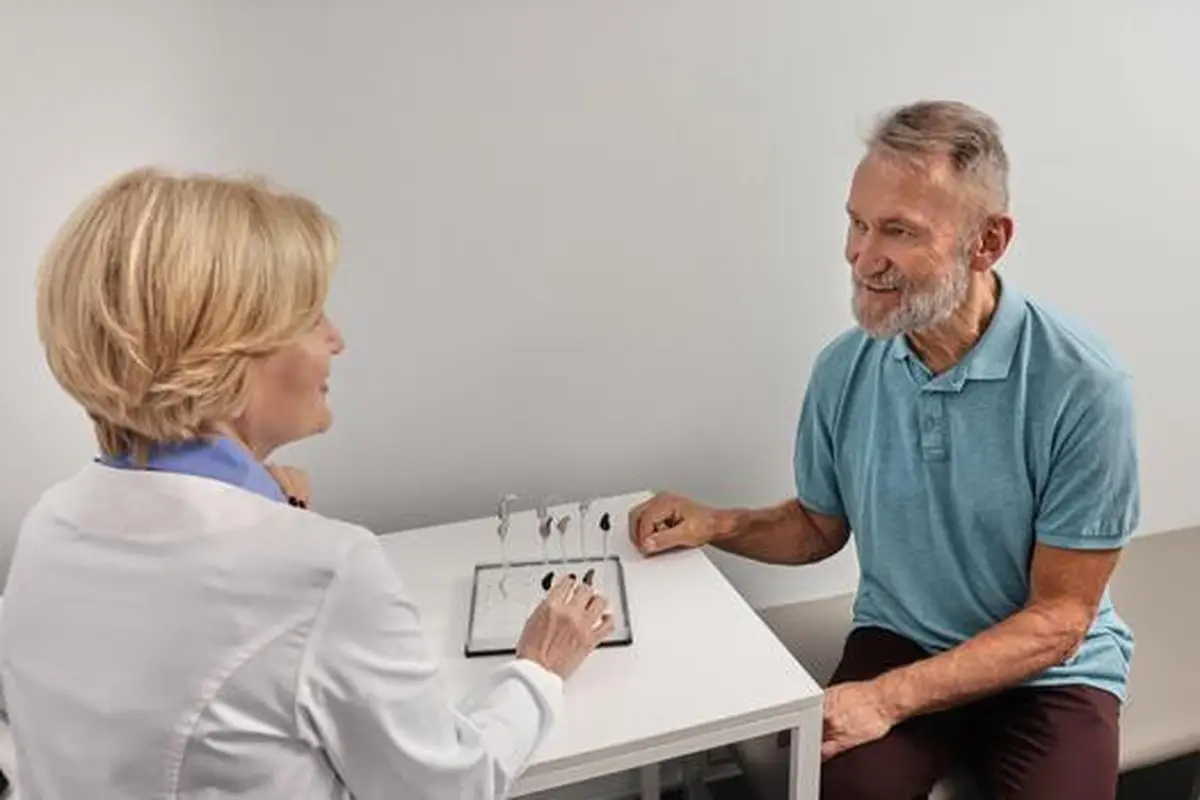
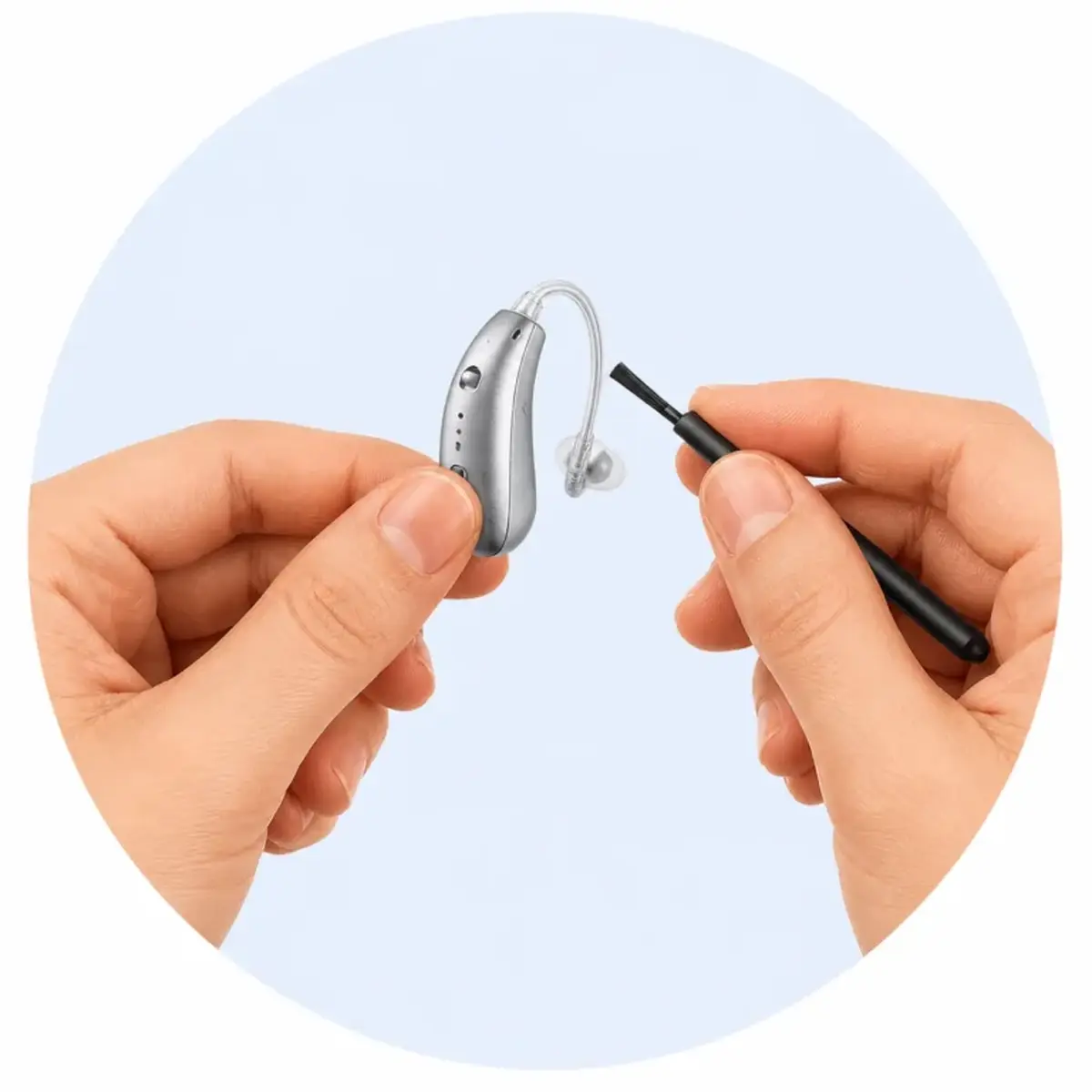
This is the quiet advantage of real hearing aids that spec sheets do not capture. Hearing loss changes over time. Ears produce wax that clogs receivers. Domes wear out. Programs need retuning as your brain adapts. With prescription aids, an audiologist handles all of this. With many OTC brands, you at least get phone or chat support from hearing specialists and remote tuning through an app.
With AirPods, you are on your own. Apple Support can help with Bluetooth pairing, but nobody at Apple will adjust your hearing profile, clean a wax-clogged speaker, or tell you whether your hearing has worsened. If your needs are simple and stable, that may be fine. If anything changes, the lack of a professional safety net becomes a real limitation.
Discretion and Social Factors
Here the AirPods have a genuine edge: nobody looks twice at earbuds. For people who feel self-conscious about hearing aids, wearing AirPods carries zero stigma. That psychological comfort is not trivial. The number one reason people delay treating hearing loss is embarrassment, and anything that lowers that barrier has real value.
That said, modern hearing aids are far less visible than most people imagine. Receiver-in-canal models hide behind the ear with only a thin wire visible, and completely-in-canal options like Eargo are nearly invisible. The stigma gap has narrowed a lot in the last decade.
Can You Use Both Together?
Many people end up with a hybrid setup, and it works well. They wear dedicated hearing aids all day for consistent hearing, then switch to AirPods for music, workouts, or long phone calls where earbuds excel. There is no rule against owning both. In fact, this combination plays to each device’s strengths: hearing aids for all-day clarity and battery life, AirPods for media and convenience. If your budget allows only one, choose based on which need is more urgent: daily hearing support or flexible listening.
Who Should Choose Which
Choose AirPods Pro 2 if you already own them, your hearing test shows mild loss, you mainly need help in specific situations rather than all day, and you use an iPhone. They are an excellent low-risk way to experience amplification and learn what better hearing feels like.
Choose OTC hearing aids if you need all-day support, want longer battery life, use Android, or prefer a device designed for continuous wear. Our FDA OTC hearing aid list and OTC vs prescription guide will point you to the right category.
Choose prescription hearing aids if your loss is moderate to severe, asymmetric, or accompanied by tinnitus, dizziness, or medical ear issues. No earbud replaces a professional fitting for complex hearing needs.
Frequently Asked Questions
Can AirPods Pro 2 replace my prescription hearing aids?
For most people, no. They are authorized for mild to moderate loss and lack the battery life, all-day comfort, and professional support that prescription devices provide. Some people with very mild loss use them as a bridge while deciding on hearing aids.
Do AirPods work as hearing aids on Android?
No. The Hearing Aid feature, Hearing Test, and personalization require an iPhone or iPad. On Android they function only as regular Bluetooth earbuds.
Are AirPods cheaper than hearing aids?
Cheaper than prescription aids, but not cheaper than budget OTC hearing aids. Devices like the Audien Atom cost around $99, less than half the AirPods’ price, and are built for all-day hearing support.
Will wearing AirPods damage my hearing?
Used responsibly at safe volumes, no. But cranking up the volume to compensate for hearing loss, instead of using proper amplification, can worsen damage over time. If you consistently need high volume, get your hearing tested.
Can I use AirPods for phone calls with hearing loss?
Yes, and this is one of their strengths. The Hearing Aid feature applies your profile to calls and media, and the microphones are excellent. Many hearing aid users keep earbuds specifically for calls and music.
The Bottom Line
AirPods Pro 2 are legitimate hearing helpers, not toys, and they deserve credit for bringing amplification to millions of people who would never walk into a hearing clinic. But they remain earbuds with a hearing feature, not hearing aids with music playback. If your needs are mild and part-time, they are a fine start. If you need reliable, all-day hearing, purpose-built devices win on battery, comfort, and support. Either way, start with a hearing test so your decision is based on data, not guesswork. Our AirPods Pro 2 deep dive covers setup step by step if you decide to try them.