
For many first-time hearing aid buyers, the biggest obstacle is not price or technology. It is vanity, or more kindly, self-consciousness. Nobody wants to feel like they are wearing a visible marker of aging. Eargo built its entire brand on solving that problem. Its hearing aids sit deep inside the ear canal, practically invisible to anyone looking at you, and the company wrapped that discretion in sleek packaging, clever marketing, and premium pricing.
The question is whether the invisible design is worth the premium, especially now that the flagship Eargo 8 lists around $2,399 per pair. Based on specifications, independent lab testing, and buyer feedback, here is the honest answer.
What You Get: The Eargo Lineup
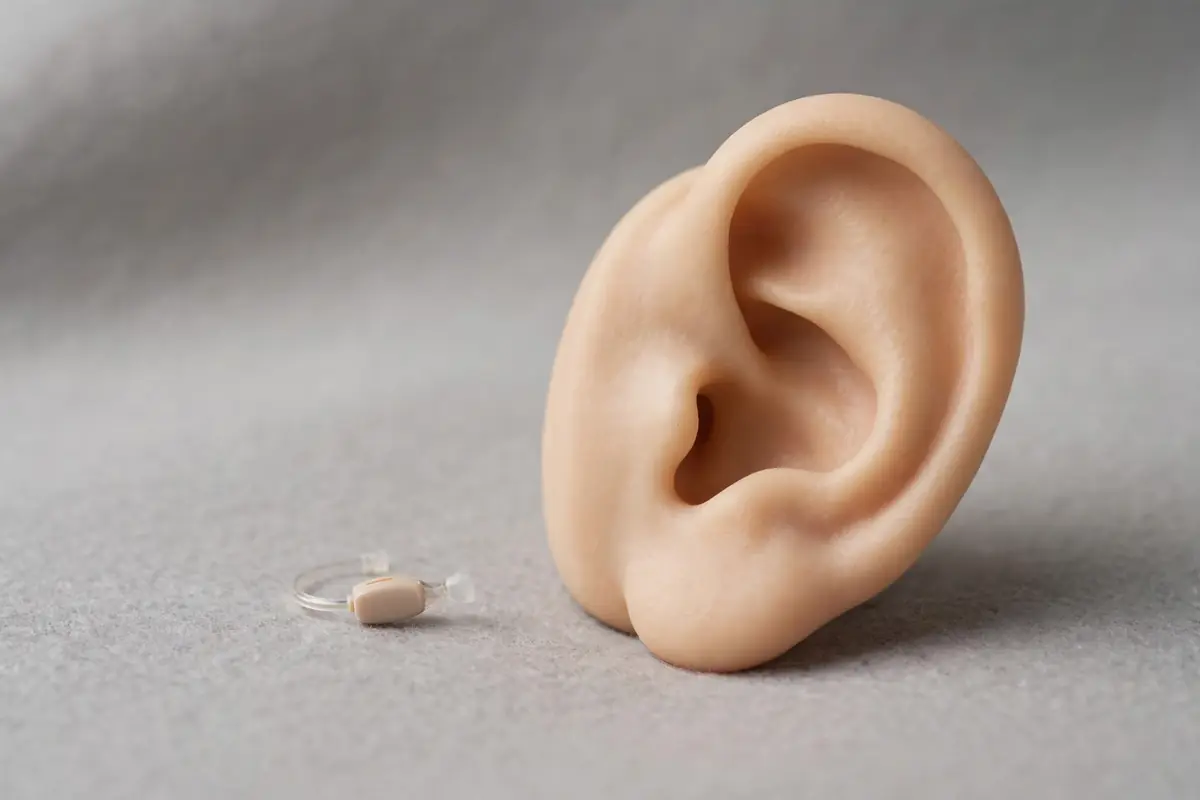
Eargo’s devices are completely-in-canal (CIC) hearing aids, the smallest standard style. They sit deep in the ear canal with only a tiny removal tab visible. The current lineup includes:
- Eargo SE, listed around $1,699 per pair. The streamlined option: discreet CIC design, rechargeable, app control with manual program switching.
- Eargo 8, listed around $2,399 per pair. The flagship: automatic Smart Sound Adjust, stronger noise management, IP68 water resistance, and a 2-year warranty.
- LINK by Eargo, listed around $799 per pair. An earbud-style model that does include Bluetooth streaming, for buyers who want Eargo branding without the CIC premium.
A note on pricing: Eargo’s prices have moved around over the years, and the $1,950 figure in this article’s title reflects earlier pricing. The current flagship lists higher. Eargo has also gone through corporate changes, with its parent company restructuring US operations in 2026. Before buying, check Eargo’s official site for current pricing, warranty terms, and support status, because long-term app and warranty support matters when you spend this much.
Key Specs: Eargo 8 at a Glance
| Specification | Eargo 8 |
|---|---|
| Listed price | Around $2,399 per pair |
| Style | Completely-in-canal (nearly invisible) |
| Hearing loss range | Mild to moderate |
| Battery | Rechargeable, up to 16 hours; case holds up to 14 extra charges |
| Bluetooth streaming | No (app control only) |
| Sound processing | Automatic Smart Sound Adjust; multiple listening modes |
| Water resistance | IP68 |
| Trial period | 45 days |
| Warranty | 2 years |
| FDA status | FDA-registered OTC hearing aid |
Sound Quality: The Invisibility Trade-Off
Here is the physics problem with invisible hearing aids: when the microphone sits deep inside your ear canal, it cannot capture directional sound the way an ear-level microphone can. Your outer ear naturally funnels and shapes sound, and a CIC device bypasses most of that. The result, confirmed by independent lab testing, is a device that performs well in quiet and poorly in noise.
HearAdvisor’s lab testing gave the Eargo 8 a B grade with a SoundScore of 3.4 out of 5. Speech in quiet scored above the OTC average, and own-voice comfort was a genuine strength. But speech in noise scored well below average, and there is no music streaming at all. For a buyer whose main struggle is noisy restaurants and group conversations, which is most buyers, that is a significant limitation.
None of this means the Eargo 8 sounds bad. In calm, one-on-one conversation it sounds natural and clear, and many owners love theirs. It means you should buy it with eyes open about what invisibility costs in performance. If your priority is hearing well in noise rather than hiding the device, a receiver-in-canal aid like the Jabra Enhance Select will serve you better for less money.
Comfort, Fit, and Daily Handling
Eargo’s comfort story is genuinely good. The devices use soft, breathable tips that allow airflow, reducing the plugged-up feeling some in-canal aids cause. Most owners report forgetting they are wearing them, which is the whole point. Insertion takes practice: you are placing a tiny device deep in the canal, and buyers with dexterity issues or very small ear canals sometimes struggle. Eargo’s onboarding includes guidance on fit, and getting the right tip size matters enormously.
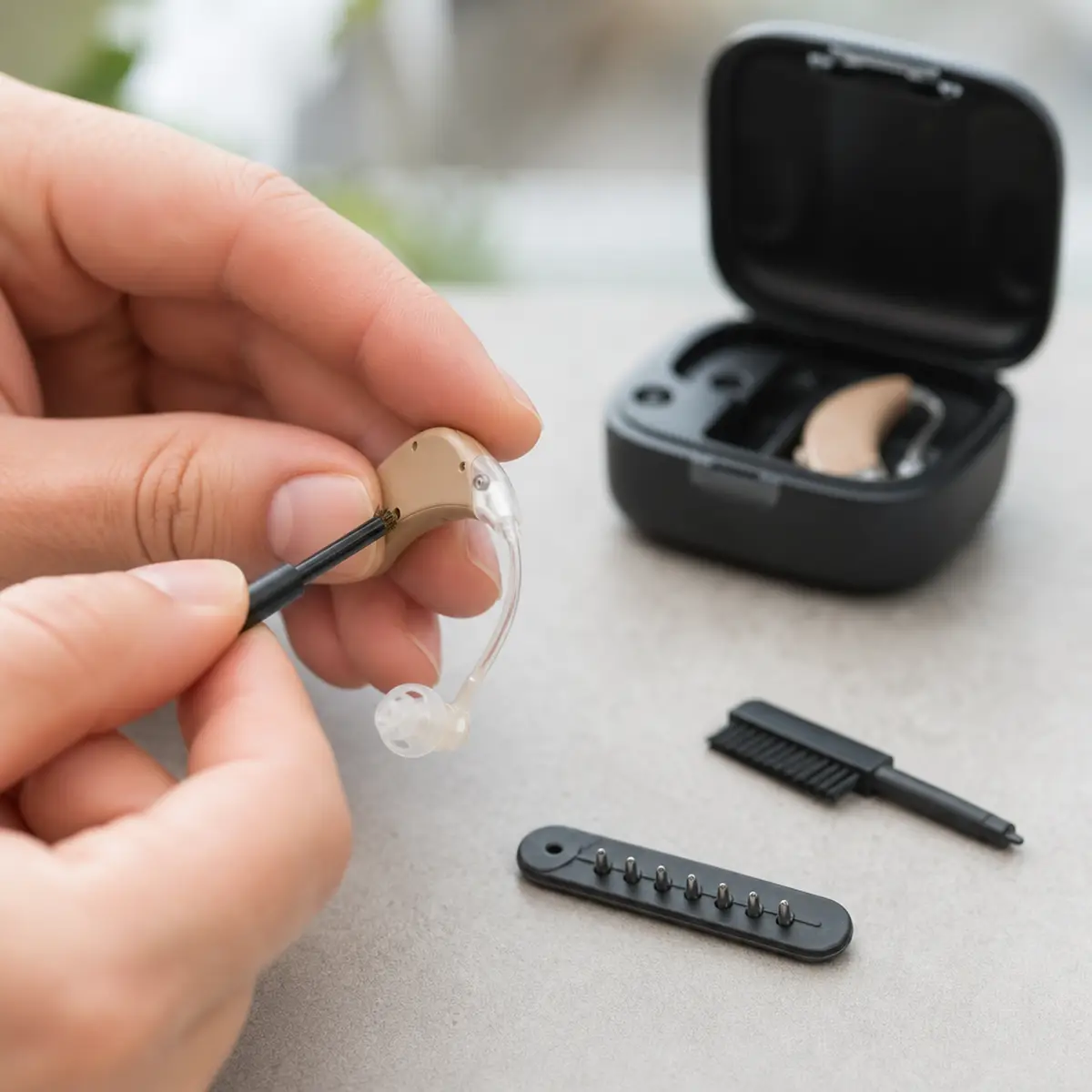
Battery life is rated at up to 16 hours, enough for a full day for most users, and the charging case is a standout, holding up to 14 additional full charges. That is excellent for travel. The IP68 rating means strong dust and water resistance, better than most OTC competitors, though you still should not swim with them. See our guide to cleaning your hearing aids for the maintenance routine that keeps any device healthy.
The missing piece is Bluetooth streaming. At $2,399, the absence of call and music streaming feels like a real gap when $899 competitors include it. Eargo’s position is that the CIC form factor leaves no room for the necessary antenna, which is honest engineering, but it does not change the buyer’s experience.
Who Should Buy (and Who Should Skip)
Buy Eargo if invisibility is your non-negotiable priority, your hearing loss is mild to moderate, your difficult listening happens mostly in quieter settings, and your budget reaches the premium tier. For buyers who would otherwise refuse to wear hearing aids at all, the psychological value of discretion is real and should not be dismissed.
Skip it if you need strong performance in noise, want Bluetooth streaming, have severe loss, or struggle with tiny devices. At this price you should also weigh the company’s current stability and confirm warranty and app support terms directly with Eargo before purchasing. Anyone on the fence about OTC versus professional care should read our OTC vs prescription guide first.
Pricing and Where to Buy
Eargo sells direct through its official website and through retail partners including Best Buy and Amazon. Buying direct gets you the 45-day trial and full warranty. Given the price point and the company’s evolving situation, direct purchase with a credit card (which adds its own purchase protection) is the safest route. FSA and HSA funds can be used, and financing is available at checkout.
If the Eargo 8’s price gives you pause, the Eargo SE at around $1,699 keeps the invisible design with simpler processing. And if you decide invisibility is not worth the premium, our Eargo vs Jabra Enhance comparison shows what the same money buys in a more capable form factor.
What to Verify Before You Buy
Eargo is the one brand in this batch where homework before purchase genuinely matters. The company’s pricing has shifted over time, the product lineup has changed, and the parent company has restructured its US operations. None of that automatically means you should not buy, but it does mean you should verify three things on Eargo’s official site before spending $2,000.
First, confirm the current price and what it includes. Promotional pricing, bundles, and included services change, and the price you see in a review may not match today’s listing. Second, confirm the warranty terms in writing: length, what it covers, and how claims are filed. A 2-year warranty is only valuable if the company honoring it is reachable. Third, confirm the return process for the 45-day trial, including who pays return shipping and how refunds are issued.
As a general rule for any premium hearing aid purchase, pay by credit card rather than debit. Credit cards add a layer of purchase protection and make chargebacks possible if a company fails to honor its trial or warranty. This advice applies double when a company’s future is in flux. For more on protecting yourself generally, our guide to hearing aid scams and red flags is worth ten minutes of your time.
Frequently Asked Questions
Are Eargo hearing aids FDA approved?
Eargo devices are FDA-registered OTC hearing aids for adults with mild to moderate hearing loss. Learn more about the category on the FDA’s hearing aids page.
Can anyone see them when I wear them?
Practically no. The devices sit deep in the ear canal with only a tiny clear removal tab. In normal social interaction, they are effectively invisible, which is Eargo’s defining advantage.
Why is there no Bluetooth streaming?
The completely-in-canal design leaves very little room for a Bluetooth antenna, and placing one deep in the canal would perform poorly. Eargo chose invisibility over connectivity. If streaming matters to you, consider the LINK by Eargo or a RIC-style aid like the Lexie B2 Plus.
How long do Eargo hearing aids last?
Like most hearing aids, expect 3 to 7 years with proper care. The rechargeable batteries will gradually hold less charge over time. Our guide to how long hearing aids last covers lifespan in detail.
Is Eargo still in business?
No, not as a going concern. On July 15, 2026, Eargo’s parent company LXE Hearing entered an Assignment for the Benefit of Creditors and began winding down its U.S. operations. Customer support and warranty claims were only guaranteed through September 15, 2026, and the Eargo app was removed from app stores after October 8, 2026. We no longer recommend buying new Eargo devices. If you already own Eargo hearing aids, they will continue to work, but you should download any app updates and save your settings while the app is still available.
Our Verdict
Eargo made the most discreet hearing aids in the OTC market, and for buyers whose top priority was invisibility, nothing else came close. However, following the July 2026 wind-down of parent company LXE Hearing, Eargo products are no longer available and support has ended. We cannot recommend purchasing Eargo devices. Consider the Jabra Enhance Select M2 or Audien Ion Pro 2 as alternatives that offer good discretion with active company support.