I write about what hearing aids really cost, which ones are worth it, and how to take care of your hearing, based on hours of research into specs, prices, and real user experiences.
When you are about to spend thousands on hearing aids, “how long will they last?” is the question that really matters. The answer affects the true yearly cost of your purchase more than the sticker price does. A $4,000 pair that lasts seven years is cheaper per year than a $2,500 pair that dies in…
Browse by Topic
What do you want to read about?
Six topics, 100+ guides, zero fluff. Pick the one on your mind.
Humana is one of the biggest Medicare Advantage insurers in the country, so if you are a Humana member wondering about hearing aids, you are asking the right question at the right time. Humana’s hearing benefits are generally solid, particularly on its Medicare Advantage plans, but the specifics still depend on your exact plan. Here…
Blue Cross Blue Shield is the name on more American insurance cards than any other, but here is what most people do not realize: there is no single “Blue Cross” company. BCBS is a federation of 33 independent, locally operated companies, from Anthem to Blue Cross of California to your state’s own plan. That means…
“Does Aetna cover hearing aids?” is one of the most searched insurance questions in hearing care, and the honest answer is: it depends on your plan. Aetna is a huge insurer with thousands of different employer and individual plans, and hearing aid coverage varies from generous to nonexistent across them. Here is how to figure…
Hearing aids are expensive, and the tax code offers a small consolation: in most cases, you can deduct their cost as a medical expense. It will not make a $4,000 pair free, but for many buyers the deduction shaves hundreds off the real cost. The rules are simpler than they look. Here is how they…
Not all hearing loss is the same. The phrase covers everything from a wad of earwax to age-related nerve changes, and the type you have determines everything about treatment: whether medicine, surgery, or hearing aids is the right answer. Audiologists recognize four types of hearing loss. Here is what each one means, in plain language.…
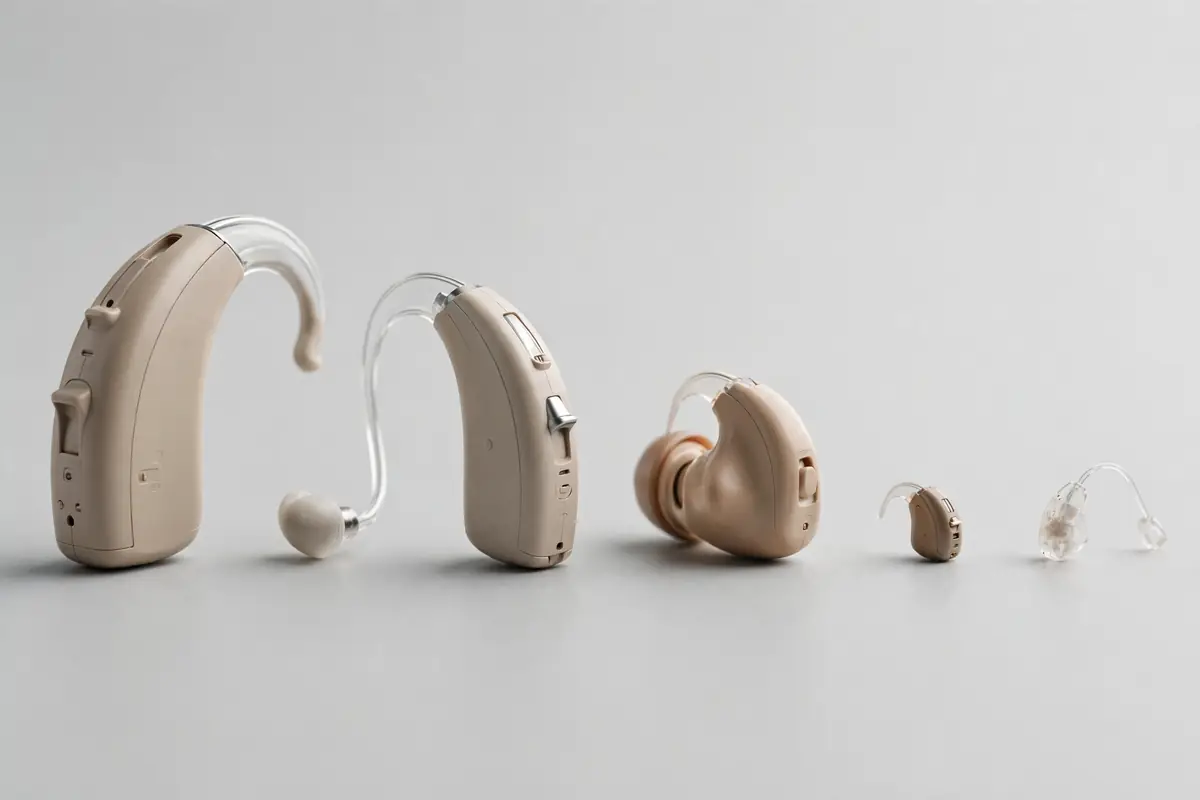
Walk into any hearing aid discussion and you will drown in alphabet soup: BTE, RIC, ITE, ITC, CIC. Manufacturers love their acronyms, but the underlying idea is simple. Hearing aids come in five basic styles, and each is just a different answer to the same question: where do the parts sit on (or in) your…
Hearing loss rarely announces itself. There is no sudden silence, no dramatic moment. Instead, it sneaks in over years: you nudge the TV volume up a notch, you start dreading noisy restaurants, you laugh along at jokes you did not quite catch. By the time most people admit something is wrong, they have been compensating…
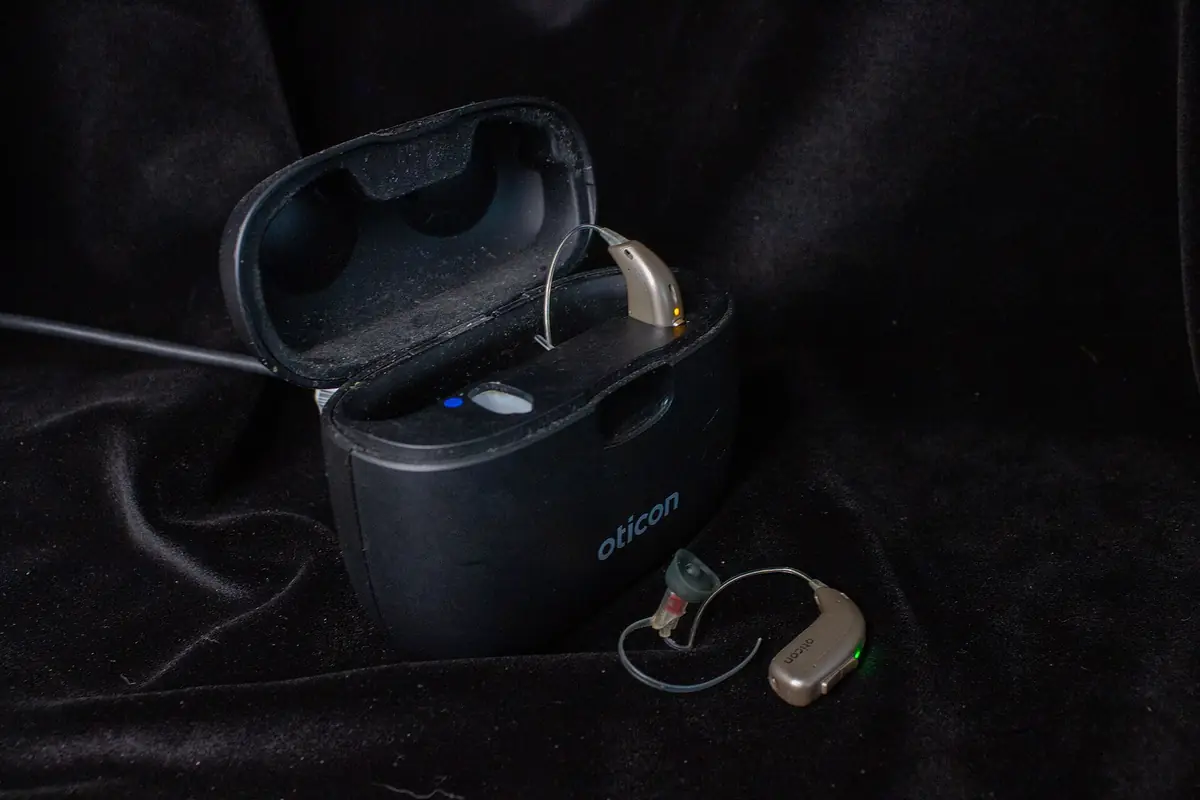
A decade ago, nearly every hearing aid ran on tiny disposable batteries you replaced weekly. Today, rechargeable models dominate new sales, and buyers face a genuine choice: rechargeable vs disposable battery hearing aids. Each has real advantages, and the right answer depends on your lifestyle more than the marketing suggests. This guide compares the two…
Since late 2022, buying a hearing aid has gotten both easier and more confusing. The FDA’s over-the-counter hearing aid rule opened the door to legitimate devices you can buy without a prescription, an exam, or a clinic visit. Great news for accessibility, but now every buyer faces a real question: OTC vs prescription hearing aids,…
I started Clear Hear Guide because buying a hearing aid felt like navigating a maze of jargon, hidden prices, and pushy salespeople. So I do the homework: I read the spec sheets, compare the prices, and dig through real user reviews, then write it all up the way I’d explain it to my own family.
Prescription hearing aids typically cost $1,000 to $4,000+ per pair, while quality OTC hearing aids range from about $100 to $1,500 per pair. The final price depends on technology level, provider services, and warranty. My cost guides break down real 2026 prices by brand and type.
For adults with mild to moderate hearing loss, yes. Since the FDA’s 2022 rule, OTC devices from established brands offer legitimate amplification at a fraction of prescription prices. They are not right for severe loss or complex ear conditions. See my best OTC hearing aids roundup.
Original Medicare does not cover hearing aids or routine hearing exams. Many Medicare Advantage plans offer a hearing aid allowance, typically a few hundred to a couple thousand dollars per year. My insurance guides explain each program in detail.
Most hearing aids last 3 to 7 years with proper care. Rechargeable batteries hold up for daily use, while disposable size-312 and size-10 cells last 3 to 10 days depending on streaming. My care guides show how to maximize lifespan.
It is smart to get a hearing test first so you know your type and degree of loss. A test also rules out medical causes like earwax blockage or infection. Many clinics offer free or low-cost screenings. Read my hearing health guides to understand your results.

 Nofal · New guides every week