I write about what hearing aids really cost, which ones are worth it, and how to take care of your hearing, based on hours of research into specs, prices, and real user experiences.
Here is what nobody tells you before your fitting: the day you get hearing aids is not the day you hear perfectly. It is day one of an adjustment period. Your brain has spent years, sometimes decades, living without certain sounds. Suddenly restoring them is disorienting. Your own voice sounds like you are talking in…
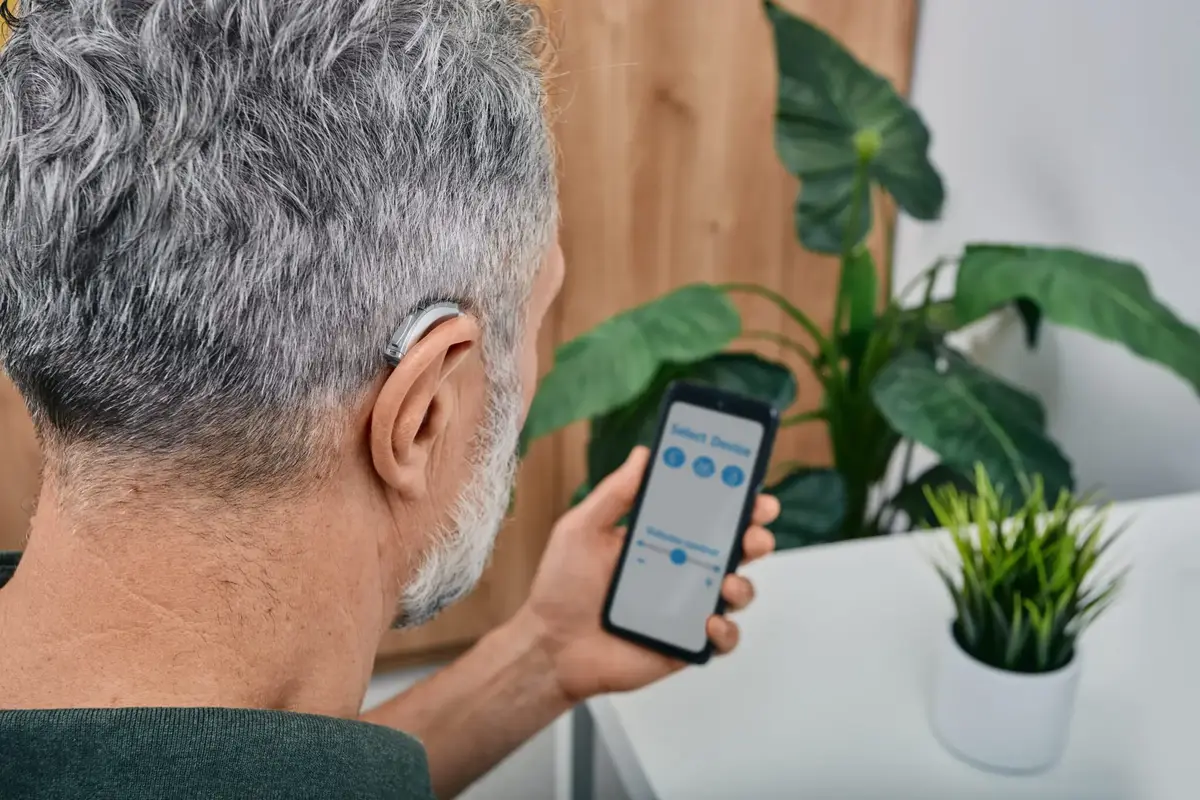
For most of hearing aid history, getting fitted meant sitting in a clinic while an audiologist ran tests and programmed your devices on specialized equipment. Self-fitting hearing aids move that entire process onto your phone. You take a hearing test in an app, the software calculates your prescription, and the hearing aids program themselves, all…
Walk through any pharmacy or scroll through online marketplaces and you will see small ear-worn devices promising better hearing for $30, $50, or $100. Some are labeled hearing aids. Others say “personal sound amplifier” or “hearing amplifier.” They look nearly identical, and the marketing often sounds identical too. But under the hood, legally and technically,…
You are in the middle of a conversation when it starts: a thin, high-pitched whistle coming from your own ear. Everyone nearby can hear it too, which makes it ten times more embarrassing. That whistling is called acoustic feedback, and it happens when amplified sound leaks out of your ear canal and gets picked up…
There is a special kind of panic when your hearing aid suddenly goes silent. You tap it, you shake it, you stare at it as if staring will help. Before you assume the worst (and before you pay for a repair), work through this checklist in order. It is organized from the simplest, most common…
Your hearing aids used to sound crisp, and now everything comes through as if you are listening underwater. Voices lack clarity, consonants blur together, and turning up the volume just makes the muddiness louder. Muffled sound is one of the most common hearing aid complaints, and it is also one of the most rewarding to…
You open the app, and your hearing aids are nowhere to be found. Or they pair but drop the connection every few minutes. Or phone calls route to the phone speaker instead of your ears. Bluetooth connection problems are among the most frustrating hearing aid issues because everything should just work. The good news: nearly…
That sudden squeal when you put your hearing aid in, the whistle when someone hugs you, the high-pitched tone that appears out of nowhere during dinner: all of it is acoustic feedback. It is the single most common complaint among hearing aid wearers, and it is also one of the best-understood problems in hearing science.…
Type “cheap hearing aid” into any marketplace and you will find dozens of devices promising crystal-clear hearing for $29.99, often with thousands of five-star reviews and urgent countdown timers. It feels like you have discovered a secret the hearing industry does not want you to know. You have not. Most of these products are either…
I started Clear Hear Guide because buying a hearing aid felt like navigating a maze of jargon, hidden prices, and pushy salespeople. So I do the homework: I read the spec sheets, compare the prices, and dig through real user reviews, then write it all up the way I’d explain it to my own family.
Prescription hearing aids typically cost $1,000 to $4,000+ per pair, while quality OTC hearing aids range from about $100 to $1,500 per pair. The final price depends on technology level, provider services, and warranty. My cost guides break down real 2026 prices by brand and type.
For adults with mild to moderate hearing loss, yes. Since the FDA’s 2022 rule, OTC devices from established brands offer legitimate amplification at a fraction of prescription prices. They are not right for severe loss or complex ear conditions. See my best OTC hearing aids roundup.
Original Medicare does not cover hearing aids or routine hearing exams. Many Medicare Advantage plans offer a hearing aid allowance, typically a few hundred to a couple thousand dollars per year. My insurance guides explain each program in detail.
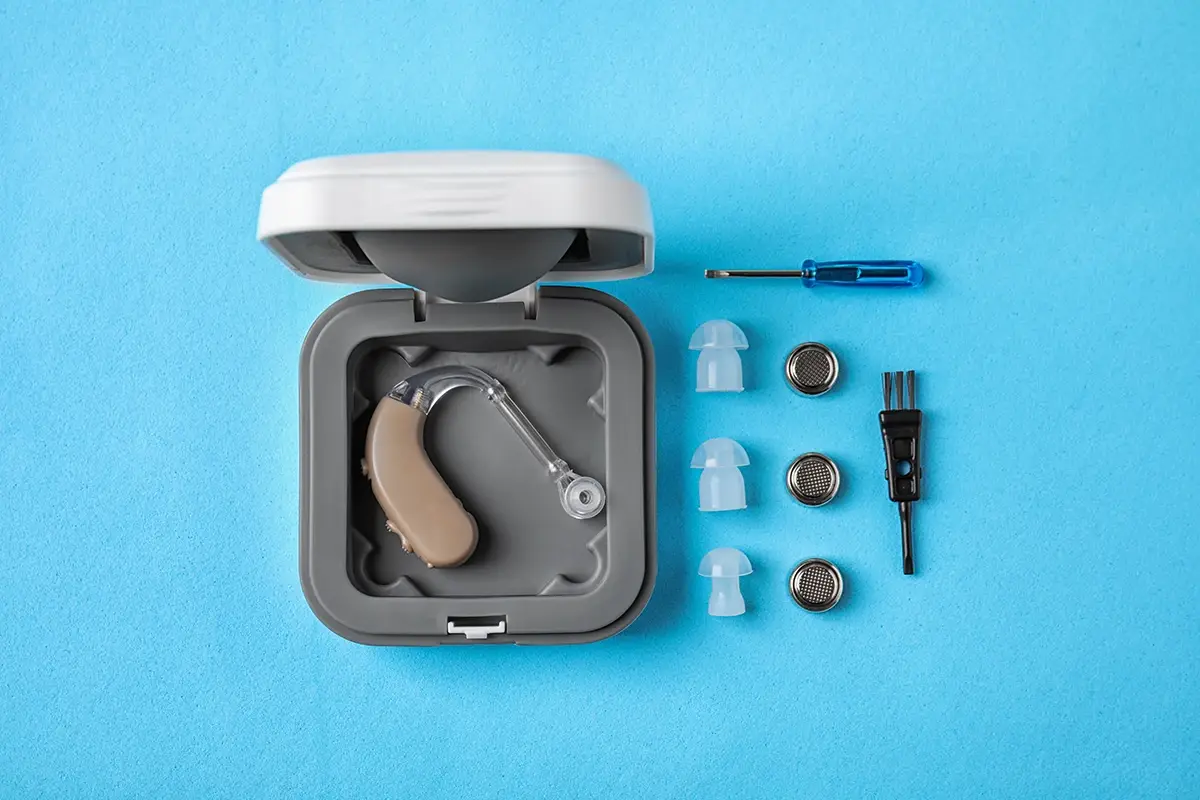
Most hearing aids last 3 to 7 years with proper care. Rechargeable batteries hold up for daily use, while disposable size-312 and size-10 cells last 3 to 10 days depending on streaming. My care guides show how to maximize lifespan.
It is smart to get a hearing test first so you know your type and degree of loss. A test also rules out medical causes like earwax blockage or infection. Many clinics offer free or low-cost screenings. Read my hearing health guides to understand your results.

 Nofal · New guides every week