

Few purchases sting quite like hearing aids. You walk into a clinic with a hearing problem and walk out facing a $3,000 to $6,000 quote. Even the affordable OTC brands can run $500 to $2,000 a pair, which is a lot to hand over at once. That is why financing exists, and honestly, for hearing aids it often makes sense. Hearing is not a luxury you can postpone for two years while you save up. Straining to hear affects your work, your relationships, and according to growing research, even your cognitive health.
The good news is that you have more ways to split up the cost than ever before. The tricky part is that not all financing is created equal. Some plans are genuinely 0% interest. Others look affordable monthly but quietly pile on interest that doubles your cost. This guide compares every major option so you can pick the one that actually saves you money.
Why Financing Hearing Aids Often Makes Sense
There is a real cost to waiting. People who delay treating hearing loss tend to withdraw socially, and audiologists consistently say that the longer you wait, the harder the adjustment period becomes when you finally do get hearing aids. If financing is the difference between hearing well this month versus next year, the math favors acting now, provided the terms are fair.
Financing also lets you buy the right device instead of the cheapest one. The jump from a $99 basic amplifier-style aid to a $597 pair with an app, noise reduction, and professional support is meaningful. Spread over 12 months at 0% interest, that difference is about $40 a month. For many buyers, that trade is worth it. Before you finance anything, though, check our guide to real hearing aid prices in 2026 so you know whether the quote you got is fair in the first place.
CareCredit: The Clinic Standard
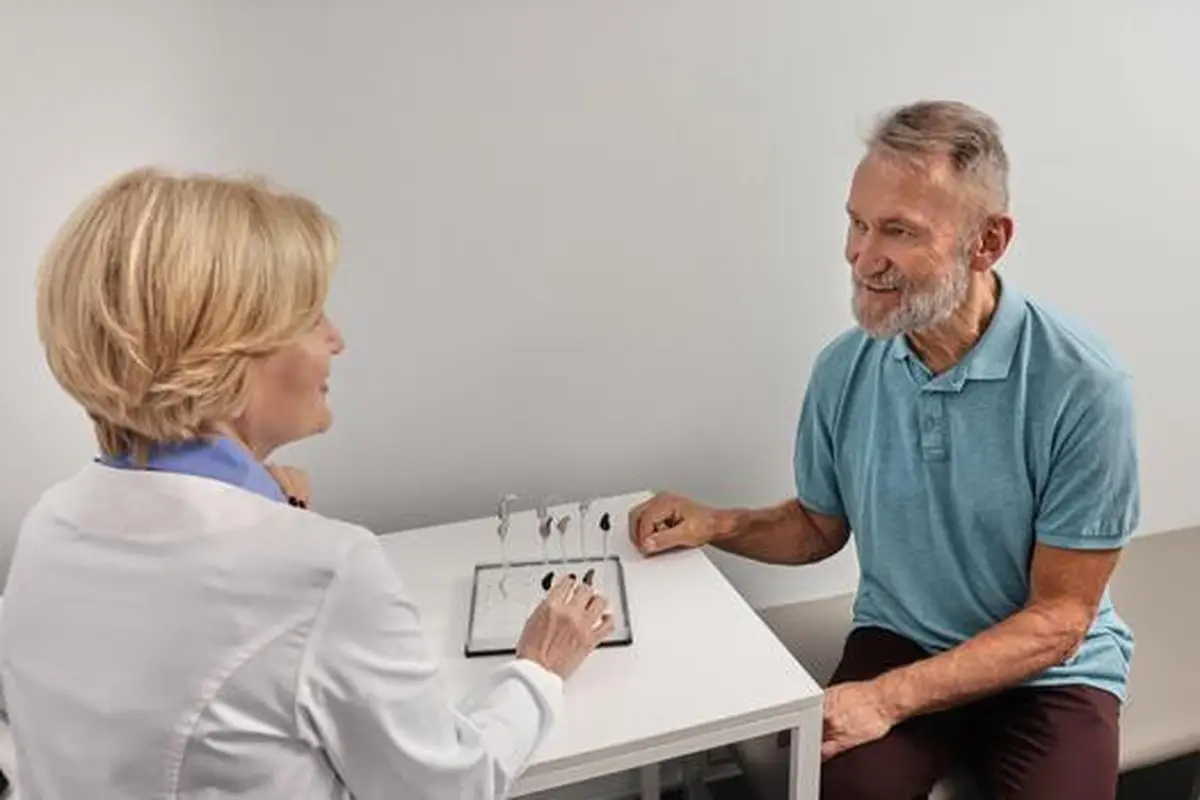
If you are buying from an audiologist’s office or a hearing clinic, you will almost certainly be offered CareCredit. It is a medical credit card accepted at hundreds of thousands of healthcare providers, and hearing care is one of its most common uses.
CareCredit’s headline feature is promotional 0% APR financing on purchases over a certain amount, typically for 6, 12, 18, or 24 months. Pay the balance off within the promotional period and you pay zero interest. That is a genuinely good deal, and it is the reason CareCredit is so popular for hearing aids, dental work, and veterinary bills.
Here is the catch you must understand: most CareCredit promotions use deferred interest, not waived interest. If you still owe even $50 when the promotional period ends, interest is charged retroactively on the entire original purchase amount, going back to day one, often at an APR above 25%. People get burned by this every year. Set up autopay, set a calendar reminder a month before the deadline, and pay it off early. Used correctly, CareCredit is excellent. Used carelessly, it is expensive.
Brand Payment Plans and Buy-Now-Pay-Later
Buying directly from a hearing aid brand’s website? Most of the big OTC brands now build financing right into checkout. Here is what the major players advertise:
| Brand | Advertised Financing | Notes |
|---|---|---|
| Jabra Enhance | From $39/month, 0% APR available | Financing via checkout partner; 100-day trial included |
| MDHearing | Monthly plans available | 60-day trial; VIP Care bundles add professional support |
| Audien | Split-pay options at checkout | Low prices mean many buyers just pay outright |
| Lexie | Klarna available | 45-day trial; HSA/FSA cards accepted |
| Eargo | Financing options offered | Check current terms; pricing has changed over time |
These checkout plans usually run through services like Affirm, Klarna, or Bread. The better ones offer true 0% APR for qualified buyers on shorter terms, which is as good as financing gets. Longer terms typically carry interest, sometimes 10% to 30% APR depending on your credit. The application takes a minute, there is usually a soft credit check that does not hurt your score, and you see the exact monthly payment and total cost before you commit.
One advantage of brand-direct financing: it is bundled with the trial period. Jabra Enhance, for example, gives you a 100-day risk-free trial. If you finance and then return the aids within the trial window, the financing is cancelled. Just confirm the return process with the lender so you are not left paying for devices you sent back.
The Fine Print That Actually Matters
Before signing anything, check these five things. They determine whether a plan is a smart move or a trap.
1. Is the APR really 0%, or is it deferred?
True 0% APR means no interest, period. Deferred interest means interest accrues silently in the background and hits you all at once if you miss the deadline. Ask directly: “If I have a balance remaining on the last day, do I owe back interest?” Get the answer in writing.
2. What is the total cost, not just the monthly payment?
$55 a month sounds painless until you realize it runs for 36 months and totals nearly $2,000 on a $1,695 purchase. Always multiply the payment by the number of months and compare that total to the cash price.
3. Are there fees?
Origination fees, late fees, and prepayment penalties can all hide in the agreement. The best plans have none of these. If a plan charges a fee just for setting up financing, keep shopping.
4. What happens if you return the hearing aids?
Confirm that returns cancel the financing agreement cleanly. With reputable brands and their trial periods, this is standard, but verify rather than assume.
5. Does it affect your credit?
Most applications start with a soft inquiry that does not affect your score. But the account itself usually reports to credit bureaus, so missed payments will hurt. Treat it like any other credit obligation.
Smarter Alternatives Worth Checking First
Financing is a tool, not a first resort. Run through these options before you borrow:
- FSA or HSA funds. Paying with pre-tax dollars is an instant discount equal to your tax rate. Our guide to using FSA and HSA money for hearing aids explains exactly how.
- Insurance benefits. Many Medicare Advantage plans include a hearing aid allowance of several hundred to a couple thousand dollars. Private plans from Aetna, UnitedHealthcare, and others sometimes cover a portion too. See whether Medicare covers hearing aids in your situation.
- Nonprofit and state programs. If your income is limited, you might qualify for free or deeply discounted hearing aids. Our roundup of programs that provide free or low-cost hearing aids lists nine worth checking.
- VA benefits. Veterans enrolled in VA healthcare can often get hearing aids completely free, including top-tier prescription models. Details are in our VA hearing aid benefits guide.
- Negotiating the cash price. Clinics sometimes discount for upfront payment. Ask “What is your best cash price?” before you discuss financing. You might be surprised.
Frequently Asked Questions
Can I finance OTC hearing aids bought online?
Yes. Jabra Enhance, MDHearing, Lexie, Eargo, and most other direct-to-consumer brands offer financing at checkout, usually through partners like Affirm or Klarna. Terms and minimum purchase amounts vary, so check the checkout page for your specific model.
What credit score do I need for hearing aid financing?
It depends on the lender. CareCredit and similar medical cards typically want fair to good credit, roughly 620 and up, for their best promotional terms. Buy-now-pay-later services are often more lenient, with some approving buyers with limited credit history, though the APR may be higher.
Is 0% APR financing really free?
If it is true 0% APR with no fees, yes. You pay exactly the purchase price spread over time. Just confirm it is not deferred interest in disguise, and make every payment on time. One late payment can void the promotional rate on some plans.
Should I finance or just buy the cheapest hearing aids outright?
It depends on your hearing loss and budget. If a $99 to $300 device meets your needs, paying outright is simplest. But if you need features like Bluetooth streaming, directional microphones, or professional programming, financing a mid-range device often delivers far better value than settling. Compare models in our MDHearing vs Audien budget comparison to see what each price tier buys.
Can I use financing together with insurance?
Yes. A common approach is to apply your insurance allowance or HSA funds to the purchase first, then finance the remaining balance. Just keep documentation of each payment source for your records.
The Bottom Line
Financing can be the bridge between the hearing aids you need and the budget you have, but only if the terms are fair. True 0% APR plans with no fees are genuinely free money over time. Deferred-interest plans are fine too, as long as you are disciplined about the payoff deadline. What you want to avoid is high-APR, long-term financing that quietly turns a $1,500 purchase into a $2,200 one. Compare the total cost, check your FSA, HSA, and insurance options first, and never let a monthly payment distract you from the price tag. For the full picture on what you should be paying, start with our average cost per pair breakdown.