
Here is a strange quirk of American health insurance: Medicare, the program for seniors, does not cover hearing aids, but Medicaid, the program for people with limited income, often does. The catch is that Medicaid is run by individual states, so your coverage depends entirely on where you live. In some states, qualifying adults get a full pair of hearing aids with fittings and batteries. In others, adults get nothing. This guide explains how to find out where your state stands.
Why Medicaid Coverage Varies So Much
Medicaid is a joint federal-state program. The federal government sets baseline requirements, and states fill in the details, including optional benefits like hearing services for adults. Hearing aids for adults are an optional benefit, which means each state legislature decides whether to cover them and how generously.
For children, the story is completely different. Under a federal provision called EPSDT (Early and Periodic Screening, Diagnostic, and Treatment), states must cover medically necessary hearing services for everyone under 21, including hearing aids. So if you are asking about a child, the answer is almost always yes, with the details handled through your state’s program.
For adults, the landscape is a patchwork. Roughly half the states offer some level of adult hearing aid coverage, and the generosity varies from comprehensive (devices, fittings, molds, batteries, repairs) to minimal (one hearing aid every several years with strict limits). A handful of states cover essentially nothing for adults beyond diagnostic exams.
What States Typically Cover
In states that do cover adult hearing aids, the benefit usually includes:
- A hearing evaluation by an audiologist or hearing instrument specialist
- One or two hearing aids, often with limits on technology tier
- Ear molds, fittings, and follow-up adjustments
- Repairs and sometimes replacement batteries
Nearly all states require prior authorization. That means your provider must submit the hearing test results and a treatment plan to Medicaid for approval before ordering the devices. Buying first and asking for reimbursement later almost never works.
States also commonly limit how often you can get new devices, often one pair every three to five years, and may restrict coverage to certain technology levels. You probably will not get the top-tier premium model, but the covered devices are legitimate, functional hearing aids that help most people hear significantly better.
How to Check Your State’s Coverage
State rules change, and secondhand information goes stale fast. Here is how to get a reliable answer for your state:
- Visit your state Medicaid agency’s website and search for “hearing aids” or “hearing services” in the benefits or provider manual.
- Call the member services number on your Medicaid card and ask specifically about adult hearing aid coverage, prior authorization, and which providers participate.
- If you are in a Medicaid managed care plan (most members are), check that plan’s member handbook, since the plan administers the benefit.
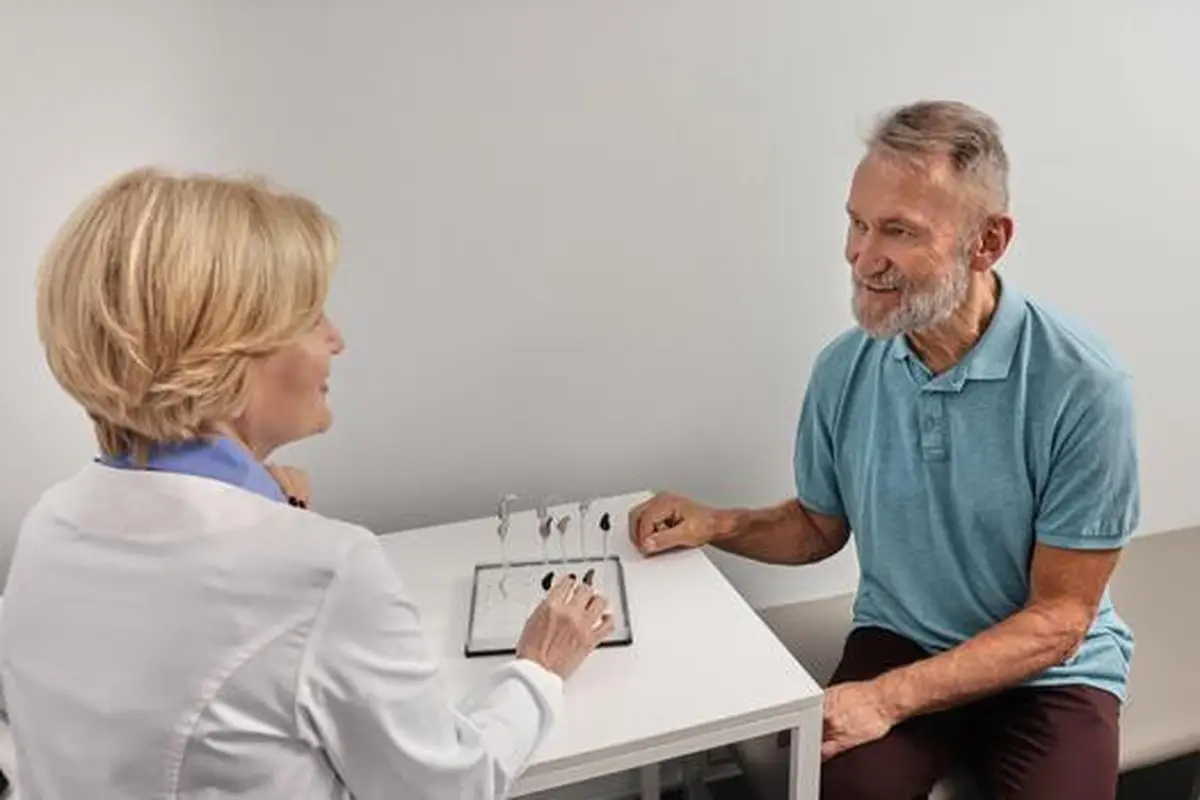
- Ask a local audiologist who accepts Medicaid. They deal with the authorization process daily and know exactly what your state approves.
When you call, ask these questions: Are hearing aids covered for adults? One or two devices? Is prior authorization required? Which providers are in network? Are fittings, molds, and batteries included? How often can devices be replaced?
| Coverage pattern | What it usually means | Example approach |
|---|---|---|
| Comprehensive adult coverage | Pair of aids, fittings, repairs, batteries | Prior authorization through an audiologist |
| Limited adult coverage | One aid or basic models only | Ask about upgrading at your own cost |
| Diagnostic only | Exams covered, devices not covered | Pair with charity programs or OTC aids |
| Children (all states) | Full coverage under EPSDT | Coordinate through your pediatric provider |
| Dual-eligible (Medicare + Medicaid) | Medicaid may cover what Medicare excludes | Bill Medicaid as primary for hearing aids |
Dual-Eligible? This Matters Most for You
If you qualify for both Medicare and Medicaid, often called dual-eligible, this is where Medicaid’s hearing benefit really shines. Medicare’s exclusion does not matter, because Medicaid becomes the payer for hearing services. Many dual-eligible seniors do not realize this and assume nothing covers their hearing aids. In states with adult coverage, you may be able to get devices with little or no out-of-pocket cost.
The billing can get confusing, since providers must bill the right program in the right order. Work with an audiologist experienced in dual-eligible billing, and confirm with both your Medicaid plan and the provider’s office that the claim will be handled correctly.
If Your State Covers Little or Nothing
Live in a state with no adult hearing aid benefit? You still have paths to affordable hearing. Over-the-counter hearing aids have changed the math dramatically: quality devices for mild to moderate loss now start around $100 to $300 a pair, no insurance needed. Our OTC vs prescription guide helps you decide if they fit your situation.
Beyond that, our roundup of free and low-cost hearing aid programs lists nonprofits, state vocational rehabilitation programs, and charities that serve people regardless of Medicaid status. Veterans should check VA hearing benefits, which are separate from Medicaid entirely. And if you are buying out of pocket, our 2026 price breakdown and financing guide will help you plan the purchase.
The Prior Authorization Process in Detail
Prior authorization sounds bureaucratic, but it is straightforward once you see the steps. After your hearing evaluation, your audiologist submits a packet to your Medicaid plan containing your audiogram, a statement of medical necessity, and the specific devices recommended. A plan reviewer, usually a clinician, checks that your hearing loss meets the state’s severity thresholds and that the requested devices are appropriate.
Most approvals come through in one to four weeks. Denials usually happen for fixable reasons: the audiogram is too old (many states require one within the last six to twelve months), the documentation does not clearly show medical necessity, or the requested device tier exceeds what the state covers. A good provider knows the local rules and gets it right the first time, which is another reason to choose an audiologist experienced with Medicaid billing.
If you are denied, you have the right to appeal, and you should use it. The denial letter explains the appeals process and deadlines. Many initial denials are overturned when the provider submits additional documentation. Do not take the first no as final. And while the appeal runs, ask your provider about loaner devices; some clinics lend basic aids during the wait.
One more practical tip: authorization approvals often have expiration dates, commonly 60 to 90 days. If too much time passes between approval and ordering, you may need to restart the process. Once approved, move promptly to the fitting stage.
Frequently Asked Questions
Does Medicaid cover hearing aids for adults in every state?
No. Adult hearing aid coverage is optional for states, so it varies widely. All states must cover medically necessary hearing aids for children under 21, but adult benefits range from comprehensive to nonexistent depending on where you live.
Will Medicaid cover premium or brand-name hearing aids?
Usually not the top-tier models. States typically cover devices that meet medical necessity at a reasonable cost, which means solid mid-range technology. Some providers may let you pay the difference to upgrade, but rules on this vary by state, so ask first.
How long does prior authorization take?
It varies by state and plan, but one to four weeks is common. Your audiologist’s office usually handles the paperwork. Do not order or accept devices before approval comes through, or you could be stuck with the bill.
Does Medicaid cover hearing aid batteries and repairs?
In states with adult coverage, batteries and repairs are often included, at least for a defined period. Some states provide a set number of batteries per year. Check your plan’s specifics, and see our battery sizes guide to understand what your devices will need.
I have both Medicare and Medicaid. Which covers hearing aids?
Medicaid, in states that offer the adult benefit. Medicare’s exclusion stands, but Medicaid can pay as the relevant coverage for hearing aids. Make sure your provider bills correctly, since ordering mistakes are common with dual coverage.
The Bottom Line
Medicaid might cover your hearing aids, but the answer lives in your state’s rulebook, not in a national policy. Spend thirty minutes with your state Medicaid website and a phone call to member services, and you will know exactly where you stand. If coverage exists, let an experienced in-network audiologist handle the authorization process. If it does not, OTC devices and assistance programs can still get you hearing better without breaking the bank. For the full cost picture, start with our complete 2026 hearing aid price guide.
Sources: medicaid.gov (benefits policy and EPSDT rules), your state Medicaid agency (current coverage details).