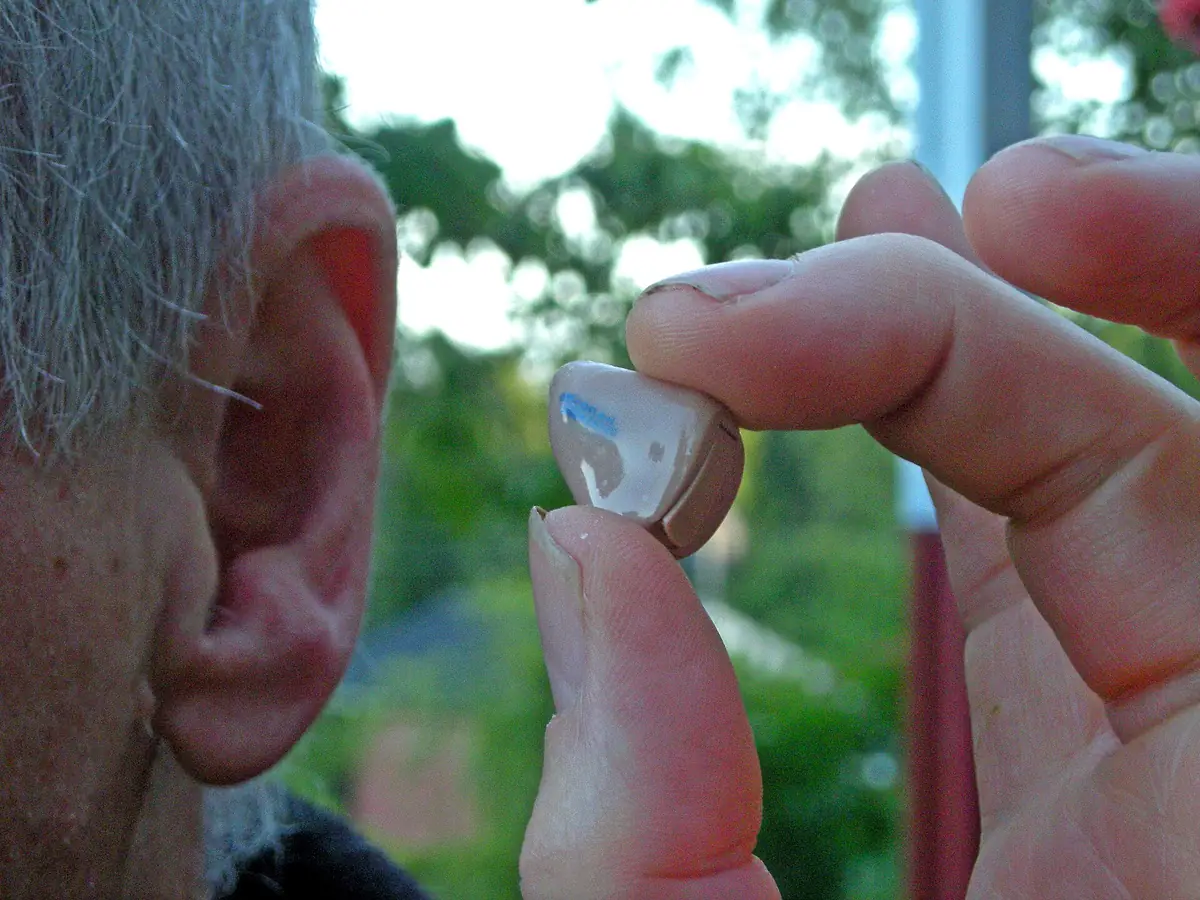

Since late 2022, buying a hearing aid has gotten both easier and more confusing. The FDA’s over-the-counter hearing aid rule opened the door to legitimate devices you can buy without a prescription, an exam, or a clinic visit. Great news for accessibility, but now every buyer faces a real question: OTC vs prescription hearing aids, which is actually right for me?
This guide compares the two paths honestly: cost, sound quality, fitting, support, and who should choose which. No brand agenda, just the trade-offs.
What OTC Hearing Aids Are
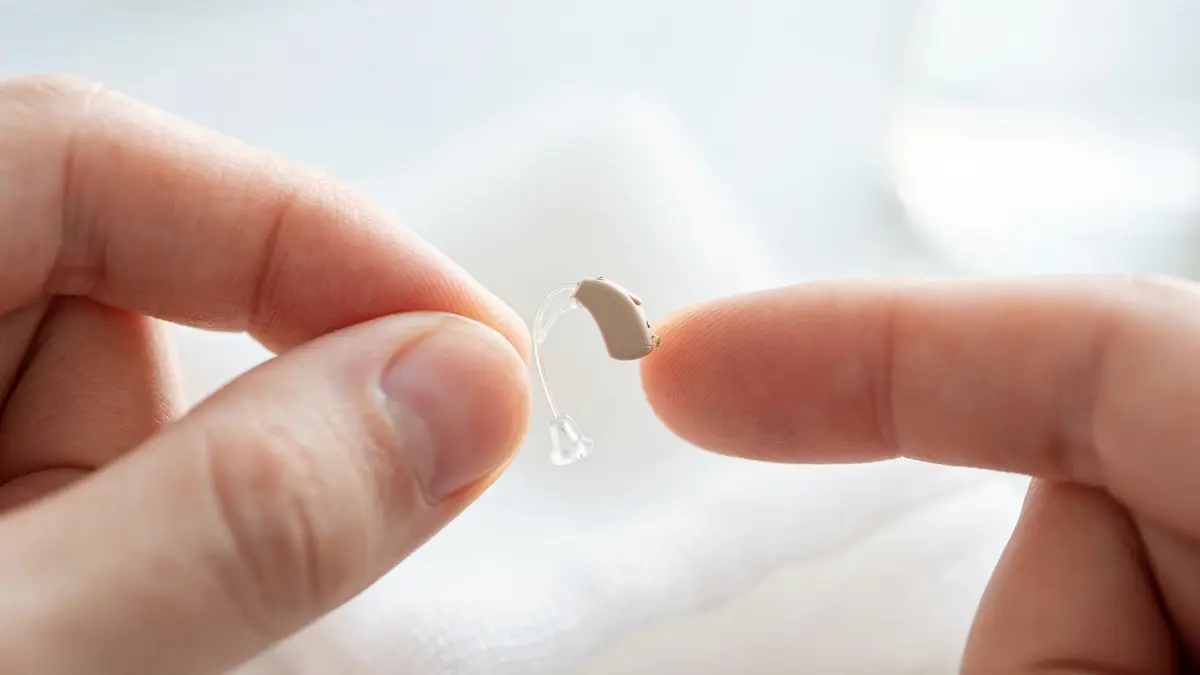
OTC hearing aids are FDA-regulated medical devices for adults (18+) with perceived mild to moderate hearing loss. You buy them directly, in stores or online, and set them up yourself, usually through a smartphone app with a guided hearing check. No audiologist required.
Key facts worth knowing:
- The FDA established the OTC category in October 2022, with safety and labeling requirements manufacturers must meet.
- OTC does not mean unregulated. It means the fitting is self-directed rather than professional.
- OTC aids are different from personal sound amplifiers (PSAPs), which are not medical devices and are meant for normal-hearing people who want a boost in specific situations.
- Our complete list of FDA-registered OTC hearing aids shows which brands actually meet the requirements.
What Prescription Hearing Aids Are
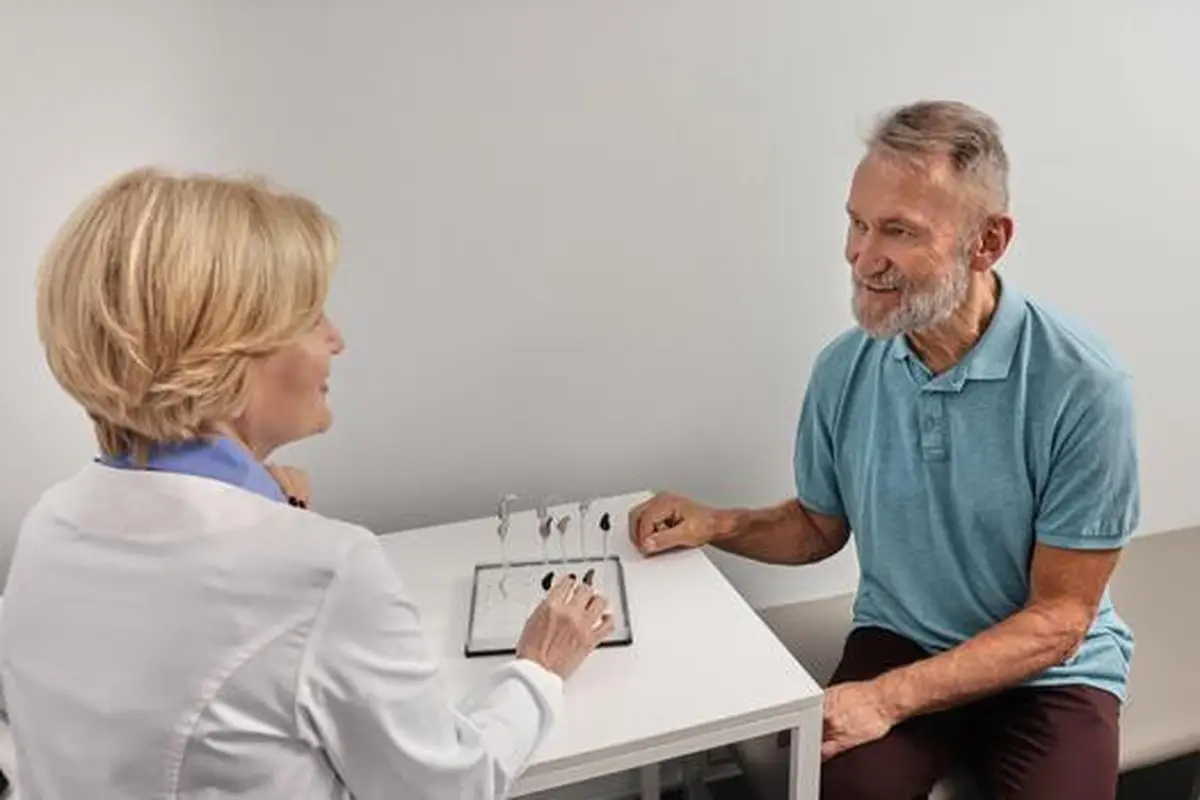
Prescription hearing aids are fitted and programmed by a licensed professional (audiologist or hearing instrument specialist) based on your diagnostic hearing test. They cover the full range of hearing loss, from mild to profound, and include customized programming for your exact audiogram, ear shape, and lifestyle.
The prescription path typically includes a comprehensive exam, a fitting appointment with real-ear verification measurements, and follow-up fine-tuning over weeks or months. That professional layer is the core product as much as the device itself.
Head-to-Head Comparison
| Factor | OTC Hearing Aids | Prescription Hearing Aids |
|---|---|---|
| Price per pair | $100 – $1,500 | $2,000 – $6,500+ |
| Hearing test required | No (self-assessment) | Yes (diagnostic audiogram) |
| Fitting | Self-fitted via app | Professional, verified with measurements |
| Suitable for | Mild to moderate loss | Mild to profound loss, complex cases |
| Follow-up care | Phone/chat support, if any | In-person adjustments included |
| Trial period | Varies (often 30-45 days) | Typically 30-60 days, often state-mandated |
| Best for | Tech-comfortable adults, budget buyers | Severe loss, tricky ear anatomy, those wanting full service |
Who Should Choose OTC
OTC makes sense if most of these describe you:
- You are an adult who suspects mild to moderate hearing loss (trouble with soft speech, TV volume creeping up, asking people to repeat).
- You are comfortable with smartphones and app-guided setup.
- Your main barrier has been price, and a $3,000+ clinic pair is not realistic right now.
- You have no red-flag symptoms (see below).
Strong OTC contenders include the Jabra Enhance Select for app-driven personalization, Eargo for a discreet fit, and Audien Atom for rock-bottom pricing. Our MDHearing vs Audien and Eargo vs Jabra Enhance comparisons help narrow the field.
Who Should Choose Prescription
Go the professional route if any of these apply:
- Your hearing loss is severe or profound, or significantly worse in one ear.
- You have red-flag symptoms: sudden hearing loss, dizziness or vertigo, ear pain, drainage, or ringing in one ear only. These need medical evaluation, not a shopping cart.
- You have tricky ear anatomy, chronic ear infections, or skin conditions affecting the ear canal.
- You tried OTC and it did not help enough.
- You want the best possible outcome and can afford professional care, or your insurance or VA benefits cover it.
A professional fitting is not just a luxury add-on. Real-ear verification (measuring the actual sound delivered in your ear canal) is the difference between a device that is “close enough” and one tuned to your prescription. That precision matters most in noisy, real-world listening.
The Honest Middle Ground
Here is what the marketing from both sides skips: these paths are not enemies. A sensible journey for many people looks like this: get a hearing test first (many clinics offer low-cost screenings), learn your type and degree of loss, then choose. Mild to moderate loss with no red flags? OTC is a legitimate, evidence-backed starting point. Anything more complex? Professional care earns its price.
Also note the hybrid options growing in 2026: some OTC brands now offer optional telehealth support from licensed professionals, and some clinics sell simpler devices at lower prices. The line is blurring, which is good for buyers.
Our Verdict
For adults with straightforward mild to moderate hearing loss, quality OTC hearing aids are a smart, legitimate choice that saves thousands. For severe loss, asymmetric loss, or any medical red flags, prescription fitting is worth every penny. Either way, start with a hearing test so you are deciding from data, not guesswork.
What the Research Says About OTC Outcomes
Skeptics ask a fair question: do OTC hearing aids actually work, or are they expensive wishful thinking? The evidence, while still young, is encouraging for the right candidates.
A landmark 2017 randomized trial (often called the “OTC trial” in audiology circles) found that adults with mild to moderate loss who self-fitted direct-to-consumer devices did about as well as those fitted by audiologists, at least for the straightforward cases studied. More recent real-world data since the 2022 FDA rule points the same way: for uncomplicated mild to moderate loss, self-fitted devices deliver meaningful improvements in speech understanding and quality of life.
But the research also draws clear boundaries. Self-fitting works when the hearing loss is straightforward and symmetric. It works less well when the audiogram has unusual shapes, when one ear differs a lot from the other, or when the user struggles with the technology. And across every study, one factor predicts success more than the device brand: whether the person actually wears the aids consistently. The best hearing aid in the world does nothing in a drawer.
The honest read: OTC is evidence-backed for its intended population, not a gamble. It is also not a replacement for professional care when the case is complex. That is exactly the line the FDA drew, and the research supports it. If you want the deeper science, the NIDCD summarizes current findings in plain language.
Frequently Asked Questions
Are OTC hearing aids as good as prescription ones?
For mild to moderate loss, good OTC devices can come surprisingly close in everyday situations. They fall short in complex cases: severe loss, unusual audiogram shapes, and difficult noise environments where professional fine-tuning matters most. Think of it like reading glasses versus prescription lenses: fine for simple needs, no substitute for complex ones.
Can I get in trouble buying OTC if my loss is severe?
You will not get in trouble, but you will likely be disappointed. OTC devices max out at moderate amplification. If you have severe loss, they will sound weak no matter how you adjust them. A hearing test first prevents this expensive mistake. Learn how to read your audiogram so the numbers make sense.
Do audiologists hate OTC hearing aids?
Most do not. Many audiologists support OTC as an entry point and would rather see someone in an OTC device than nothing at all, since untreated hearing loss carries real risks. What frustrates professionals is when people with complex loss struggle alone with OTC instead of getting evaluated. The NIDCD offers balanced guidance on both options.
Can I switch from OTC to prescription later?
Absolutely, and many people do. Starting with OTC does not lock you out of professional care. If anything, the experience teaches you what matters to you (comfort, battery life, app control), making your eventual clinic visit more productive.
One More Wrinkle: Insurance
Here is a practical factor that surprises OTC shoppers: some insurance plans and Medicare Advantage allowances cover prescription hearing aids but not OTC devices, or reimburse OTC at lower rates. Before assuming OTC is the cheaper path, check your Medicare coverage, your Advantage plan’s hearing allowance, and your private plan’s rules. A $4,000 prescription pair with a $2,500 benefit costs you $1,500 out of pocket, suddenly competitive with premium OTC. Always price both paths with your actual coverage before deciding.
The Bottom Line
OTC vs prescription is not a question of which is “better” in the abstract. It is a question of which matches your hearing loss, your comfort with self-fitting, and your budget. Get tested, be honest about red flags, and choose the least expensive option that fully meets your needs. If you are leaning OTC, your next read is our complete list of FDA-registered OTC hearing aids; if you are leaning professional, start with what to ask before buying.