
It is 11:40 at night. The house is finally quiet, which should be a relief, except quiet is when you hear it most: a high-pitched ring, or maybe a hiss like a television tuned to nothing, sitting right in the middle of your head. You have had your hearing tested, you know there is some loss, and now you are wondering whether hearing aids could do anything about the ringing too.
Good news: for many people, they can. The American Tinnitus Association (ATA) notes most tinnitus is associated with hearing loss, and treating that loss often turns the volume down on the ringing. On top of that, most modern aids include dedicated tinnitus relief features. Here is how they work, which brands do them best, and what to honestly expect.
Why Hearing Aids Help Tinnitus in the First Place
Your brain hates silence
The leading explanation: when hearing loss deprives your brain of certain frequencies, the auditory system turns up its internal gain to compensate, and that over-amplification is perceived as phantom sound. The ringing is not coming from your ears; it is your brain filling in missing audio.
That is why simply restoring the missing sound often helps. When a hearing aid feeds those frequencies back to your brain, the auditory system can relax its gain, and the phantom sound fades into the background for many wearers. Researchers call this the basis of most tinnitus relief, and it is the reason audiologists usually address the hearing loss before reaching for anything fancier.
Amplification as first-line relief
Here is what surprises people: for many tinnitus sufferers with hearing loss, well-fitted amplification alone provides meaningful relief, no special program required. Everyday sounds give the brain real input instead of phantom ringing. Many wearers find their tinnitus simply less noticeable with aids in, and some experience residual inhibition, where relief lingers after the aids come out.
This is why a proper hearing evaluation comes before chasing tinnitus-specific gadgets. Our guide to signs you need hearing aids is a good gut check, and knowing your type of hearing loss helps your provider pick the right approach.
How Tinnitus Relief Programs Actually Work
When amplification alone is not enough, manufacturers offer dedicated tinnitus features. They all work on the same principle: give the brain a pleasant, controllable sound to focus on instead of the ringing. The flavors differ.
Masking with broadband noise
The simplest approach is a built-in generator playing steady white or pink noise into your ear. The idea is partial masking: the noise just takes the edge off so your brain stops fixating on the ringing. Most programs let you adjust volume and character through a phone app. Think of it as acoustic camouflage.
Fractal tones and chime-like therapy
Some find steady noise irritating, which is where musical approaches come in. The best known is Widex’s Zen therapy: soft, random, chime-like tones that never quite repeat. Because the pattern is unpredictable, your brain does not latch onto it; it just provides gentle background stimulation. For people whose tinnitus spikes with stress, the relaxation component is half the benefit.
Notch therapy: retraining instead of masking
Signia’s Notch Therapy takes a different tack. Instead of covering the ringing, it identifies your tinnitus frequency and subtly reduces amplification right at that notch. Over time, the theory goes, this trains the brain to stop generating the phantom tone. It is a longer game than masking, aimed at habituation, and needs precise professional setup.
Combination devices and app-based sound therapy
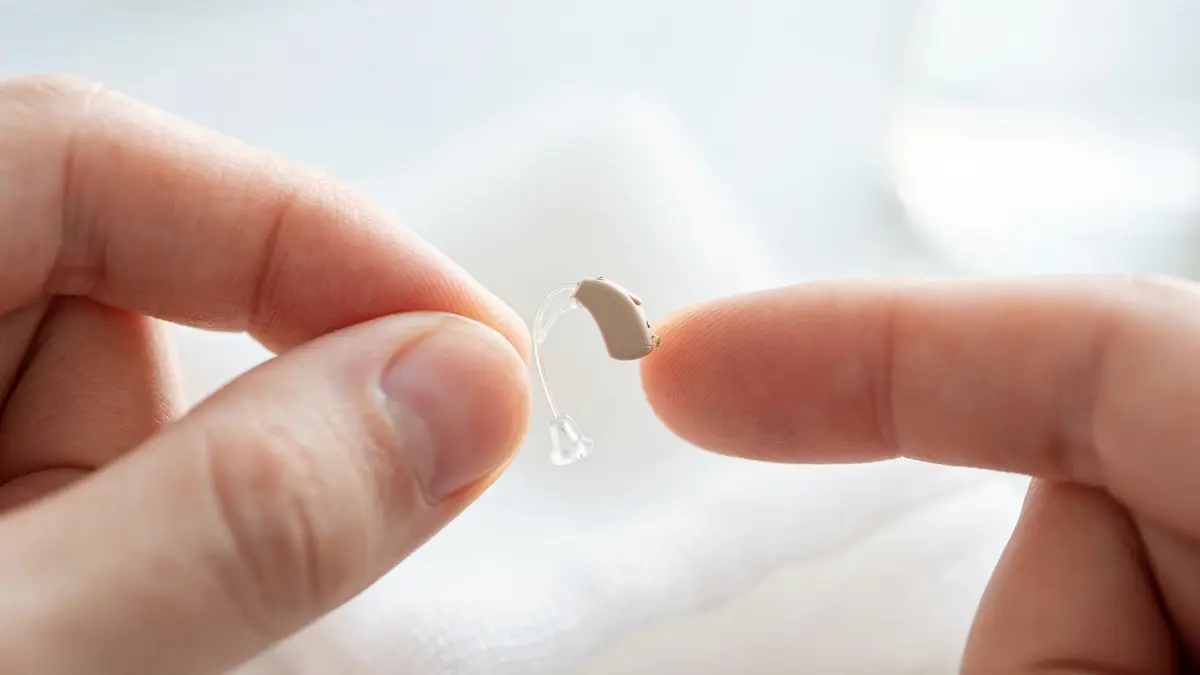
Most modern implementations blend approaches: amplification plus a sound generator, controlled through an app offering guided relaxation and nature sounds. ReSound’s Relief app is a well-known example. The app matters because tinnitus management works best as a daily practice. Whatever brand you consider, review the types of hearing aids explained first, since tinnitus features live mainly in receiver-in-canal and behind-the-ear styles.
Which Brands and Styles Offer These Features
Nearly every major prescription manufacturer now includes some form of tinnitus support, but they are not interchangeable. Here is how the big names compare.
Widex: the tinnitus specialist
Widex has the longest reputation here, built on Zen fractal-tone therapy. If your tinnitus is stress-reactive or you prefer musical tones over noise, Widex is usually the first name audiologists mention.
Signia: the retraining approach
Signia’s Notch Therapy is unique among the majors, paired with conventional sound therapy options. Worth discussing if your tinnitus is a clear single tone.
Oticon: flexible sound support
Oticon’s Tinnitus SoundSupport offers relief sounds from broadband noise to ocean-like waves, shaped around your hearing profile and integrated with their sound processing.
Phonak: balanced and customizable
Phonak’s Tinnitus Balance combines amplification with adjustable noise therapy, highly customizable through fitting software. A solid all-rounder.
ReSound: the app-forward option
ReSound pairs its sound generator with the Relief app: layered soundscapes and relaxation guidance, good if you like fine-tuning between appointments.
What about OTC hearing aids?
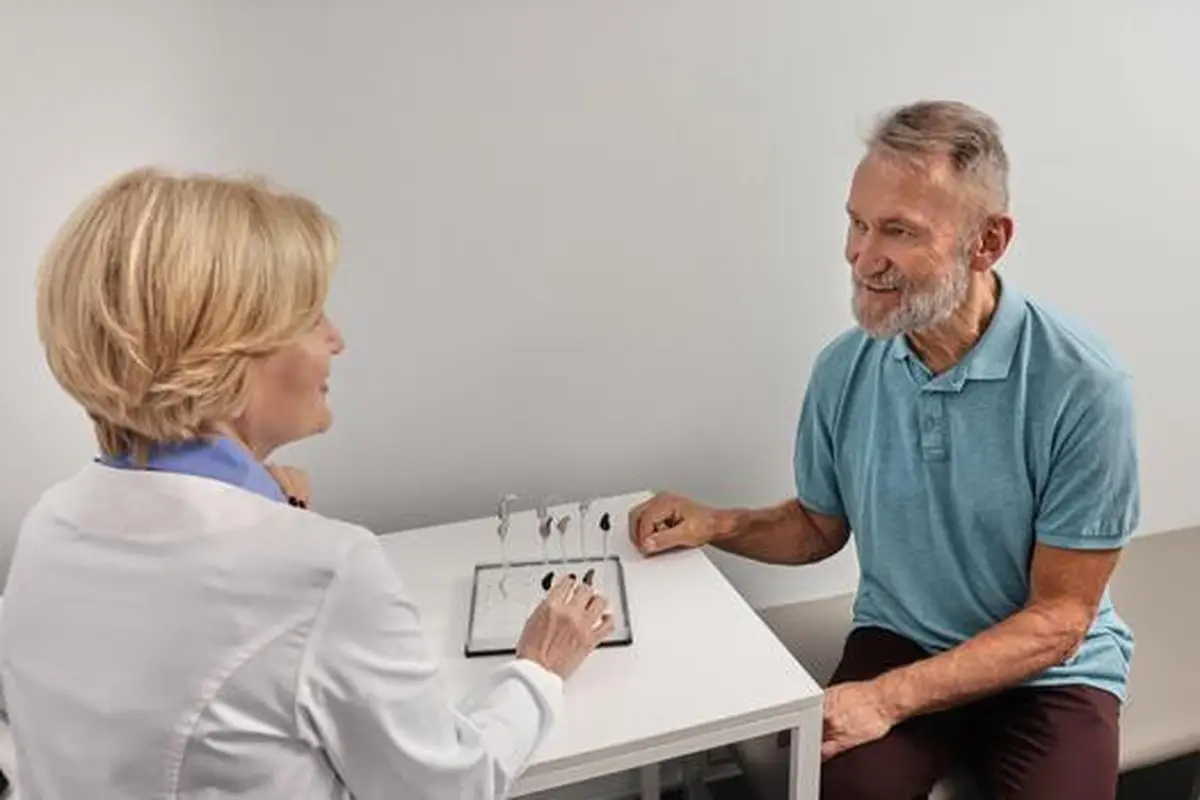
Honestly, OTC falls short here for now. Over-the-counter devices focus on straightforward amplification and lack the sound generators and professional programming that make features like notch therapy work. If tinnitus relief is a primary goal, that argues for the prescription route; see OTC vs prescription hearing aids. A proper hearing aid fitting is where tinnitus programs get calibrated to your ears.
Setting Honest Expectations
Let us be direct about something the marketing sometimes softens: hearing aids manage tinnitus; they do not cure it. Anyone promising to eliminate your tinnitus permanently is selling something, not treating something. What the devices genuinely offer is meaningful, well-documented relief for many people: lower perceived volume, less intrusive ringing, better sleep, easier concentration.
Two more honest points. First, habituation takes time. The goal is not silence but indifference: your brain learns to file the ringing under “unimportant background” the way it does a refrigerator hum. That retraining takes weeks to months, not days. Second, the device works best as part of a bigger plan. Sound therapy plus counseling, stress management, and good sleep outperform any single approach. If your provider only wants to sell hardware and skip the conversation, bring our questions to ask before buying hearing aids to the appointment.
When to See a Doctor About Tinnitus
Most tinnitus is benign and linked to ordinary hearing loss, but certain patterns deserve prompt medical attention rather than a hearing aid trial. See your doctor or an ENT promptly if your tinnitus:
- Appeared suddenly, especially in one ear.
- Affects only one ear while the other is fine.
- Pulses in time with your heartbeat (pulsatile tinnitus).
- Came with sudden hearing loss, dizziness, or vertigo.
- Followed a head injury, barotrauma, or a new medication.
These can signal conditions needing medical treatment first, from ear infections and wax impaction to blood pressure issues. A hearing aid is the wrong first step until those are ruled out. When in doubt, the ENT visit comes before the purchase. The National Institute on Deafness and Other Communication Disorders (NIDCD) has solid background reading on tinnitus causes.
Frequently Asked Questions
Can hearing aids make tinnitus worse?
Uncommon, but poorly fitted aids can temporarily make tinnitus more noticeable, usually from feedback, occlusion (that plugged-up feeling), or overly aggressive amplification. That is a fitting problem, fixable with adjustments. If your tinnitus clearly worsened after getting aids, go back to your provider.
Do I need hearing aids if my hearing is fine but I have tinnitus?
Possibly not; be wary of anyone who says otherwise without testing. Tinnitus with clinically normal hearing happens. In those cases, standalone sound therapy (a bedside machine, wearable masker, or app) plus counseling is often the recommended path. Still, get a thorough evaluation first: “normal” on a basic audiogram does not always mean perfect hearing.
How long until I notice tinnitus relief from hearing aids?
Many notice improvement within the first couple of weeks from richer sound input alone. Dedicated sound therapy programs take longer, typically several weeks of regular use. Consistent for two to three months with follow-ups and noticing nothing? Tell your provider; the settings may need rethinking.
Should I use the tinnitus masker all day?
Follow your provider’s plan, but the general guidance is moderation. Most clinicians suggest using the sound therapy for parts of the day, especially in quiet situations where tinnitus is most bothersome, rather than blasting masking noise around the clock. The goal is to take the edge off and support habituation, not to replace one constant sound with another.
Will my tinnitus come back if I stop wearing the aids?
For most people, yes, the tinnitus returns to its baseline when the aids come out, though some experience residual inhibition where relief lingers for minutes to hours afterward. That is normal and expected. It does not mean the aids stopped working or that you are dependent on them in a harmful way; it just reflects that the underlying hearing loss is still there.
Are there really no cures for tinnitus on the horizon?
Research continues on drug therapies and neural retraining, and some approaches show genuine promise in trials. But nothing available today cures tinnitus reliably, so treat bold cure claims with heavy skepticism. The responsible move is to manage it well now with proven tools rather than waiting for a breakthrough that may or may not arrive.
The Bottom Line
Hearing aids are one of the most effective tools available for tinnitus, not because they erase the ringing but because they give your brain better things to listen to. Start with treating any hearing loss, since amplification alone quiets tinnitus for many wearers. If you need more, the built-in sound therapy programs from Widex, Signia, Oticon, Phonak, and ReSound each take a slightly different path to the same goal: making the ringing fade into the background of a fuller life. Go in with honest expectations, give the process a few months, work with a provider who takes tinnitus seriously, and see a doctor first if any red-flag symptoms show up. Silence may not be on the menu, but indifference to the ringing absolutely can be.