
There comes a point where hearing loss stops being an inconvenience and starts rearranging your life. You stop answering the phone. You nod through family dinners. You leave restaurants early, not because you are tired, but because catching every third word has worn you out. If your audiogram says severe hearing loss, you are at that point, and the devices built for mild loss will not cut it.
Severe loss needs serious power, careful fitting, and honest expectations. The tiny invisible aids in advertisements are not built for your ears, and neither are pharmacy over-the-counter devices. What works: power and super-power behind-the-ear instruments fitted by a professional, and when those reach their limit, an honest conversation about cochlear implants. This guide explains what “severe” means, which hearing aids are built for it, why OTC is not enough, and how to know when implants enter the picture. This is educational information, not medical advice. Big decisions here belong in a conversation with your audiologist and ENT doctor.
What “Severe” Means on Your Audiogram
Hearing loss is measured in decibels of hearing level, abbreviated dB HL. The commonly used categories are: mild (26 to 40 dB), moderate (41 to 55 dB), moderately severe (56 to 70 dB), severe (71 to 90 dB), and profound (above 90 dB). If your thresholds sit in that 71 to 90 dB range, everyday speech, which hovers around 60 dB, is largely inaudible without help.
Numbers only tell half the story
Two people with identical audiograms can have very different experiences. The missing piece is word recognition: how well you understand speech when it is made loud enough. Someone with severe loss and 80 percent word recognition will do far better with hearing aids than someone with the same thresholds and 30 percent. If you have never really understood your test results, our guide on how to read an audiogram walks through thresholds and speech scores alike.
How severe loss differs from milder loss
With mild loss, you miss soft sounds and struggle in noise. With severe loss, you miss most of normal conversation even in a quiet room. Lip reading, context, and guesswork become survival skills, and they are exhausting. Family members often notice before you do: the television volume creeping up, the same questions asked twice, withdrawal from group settings. If this progression sounds familiar, you may recognize the signs you might need hearing aids, just turned up several notches.
Power and Super-Power BTE Hearing Aids
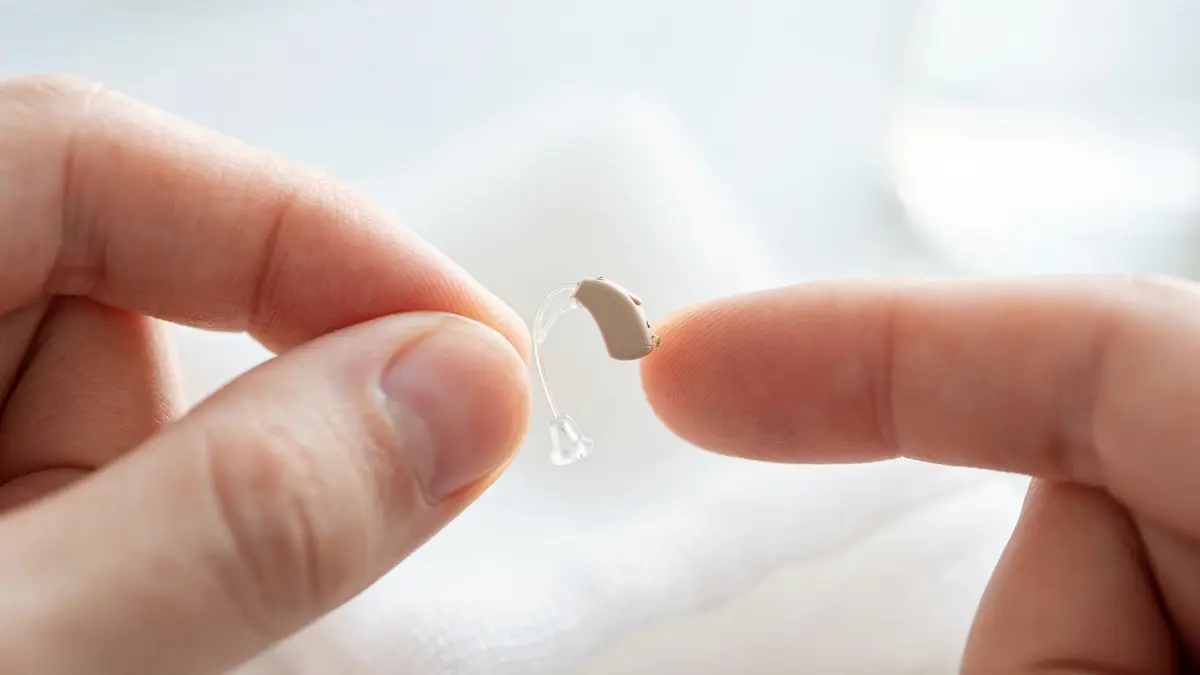
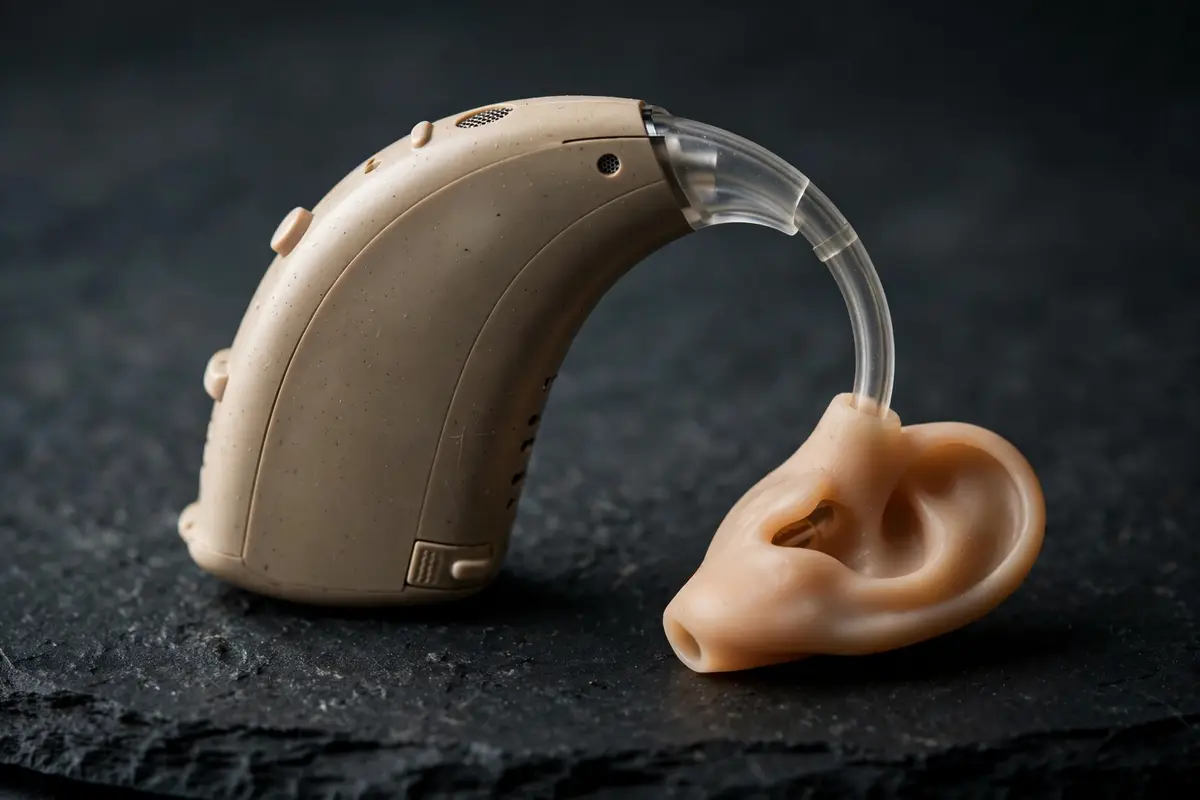
At the severe level, the style of hearing aid matters enormously. The right instruments are behind-the-ear (BTE) models built specifically for high output: power and super-power, sometimes labeled SP and UP. They are larger than the discreet receiver-in-canal styles because physics demands it. Pushing serious amplification without distortion or feedback requires bigger receivers, bigger batteries, and more space between the microphone and the speaker.
Why size matters at this level
A small hearing aid trying to amplify severe loss is like a small engine towing a heavy trailer: it strains, distorts, and whistles. Feedback is the classic symptom, when amplified sound leaks from the canal and gets picked up by the microphone again. Power BTEs fight this with custom earmolds that seal the canal, feedback cancellation circuitry, and physical separation between components. They run on larger size 13 or 675 batteries because high output drains power fast. Our breakdown of the main styles of hearing aids explains where BTEs sit and why they remain the workhorse for significant losses.
The models built for severe loss
The short list for this territory: the Phonak Naída line, a severe-loss staple known for strong output with good feedback control; the Oticon Xceed, targeting severe to profound loss; and the ReSound Enzo line in the super-power segment. These are all prescription devices, and the specific model matters less than the fitting: real ear measurement, careful feedback management, and follow-up adjustments decide whether a power aid sings or disappoints. For context on cost, see what hearing aids typically cost per pair.
Why OTC Hearing Aids Are Not Enough Here
Over-the-counter hearing aids have opened the door for millions of people with mild to moderate loss, and that is genuinely good. But they are the wrong tool for severe loss, and the reasons are structural rather than snobbish.
First, output limits. OTC devices are regulated with maximum output caps designed for safety in self-fitting, and those caps sit well below what severe loss requires. An OTC aid turned all the way up still cannot reach the gain your audiogram demands, so you end up with an underpowered device that leaves you straining, which is exactly the situation you are trying to escape.
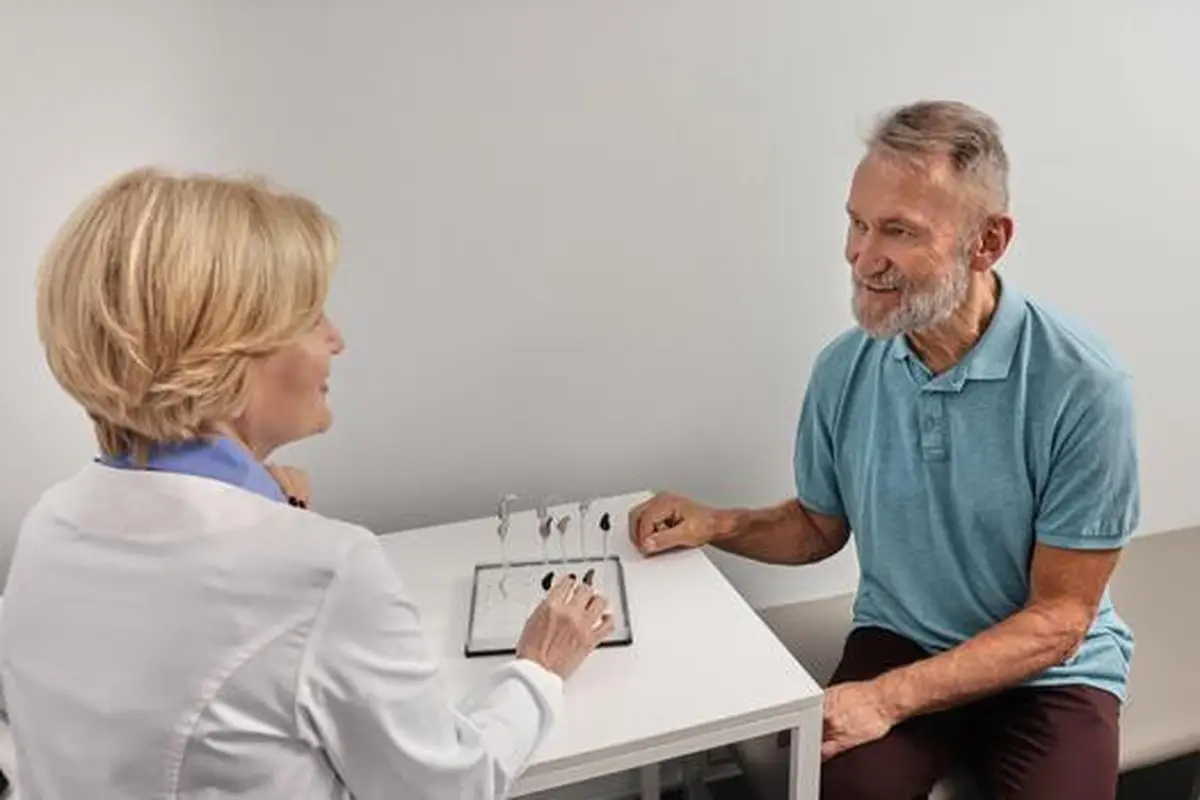
Second, fitting precision. Severe loss needs exact programming across frequencies, feedback management tuned to your ear canal, and often custom earmolds. Self-fitting apps and preset profiles cannot do this work. An underfit power aid and an overdriven OTC aid fail the same way: distorted, uncomfortable sound that ends up in a drawer. Our comparison of OTC versus prescription hearing aids lays out where the line sits, and severe loss is firmly on the prescription side. If you are heading to a clinic, knowing what a hearing aid fitting involves helps you judge whether your provider is doing the thorough job this level of loss requires.
When Hearing Aids Hit Their Limit: Cochlear Implant Candidacy
Here is the honest conversation many providers delay too long: hearing aids have a ceiling. They make sound louder, but they cannot repair damaged inner ear hair cells. When those cells are badly damaged, louder sound is still distorted sound. If you wear well-fit power aids and still cannot follow conversations, it may be time for a cochlear implant evaluation. That is not giving up on hearing aids. It is the next step.
A cochlear implant bypasses the damaged hair cells and stimulates the auditory nerve directly. It involves surgery, healing, and months of programming appointments while your brain learns the new signal, which sounds electronic or robotic at first. For people who qualify, speech understanding often exceeds what their best hearing aids achieved. Background reading from the National Institute on Deafness and Other Communication Disorders is a solid starting point before you talk to a surgeon.
Word recognition scores matter more than the audiogram
Candidacy is not decided by thresholds alone. The key test is aided word recognition: with your hearing aids on and properly adjusted, how many words do you understand? Clinics generally start the implant conversation when scores fall below roughly 50 to 60 percent, though criteria vary by clinic and insurer. If your provider has never mentioned your word recognition scores, ask for them at your next visit. Before any appointment, bring the questions worth asking before you buy, adapted for implants: candidacy criteria, the rehabilitation timeline, and realistic outcomes for someone with your history.
Realistic Expectations With Power Instruments
A well-fit power hearing aid is transformative, and it is not a cure. In quiet, one-on-one conversation, expect dramatically better understanding. In noisy restaurants and groups, you will do better than without aids, but these remain the hardest situations in hearing care. Your own voice may sound strange at first and music may sound thinner. These are normal adaptation effects that improve over weeks of consistent wear.
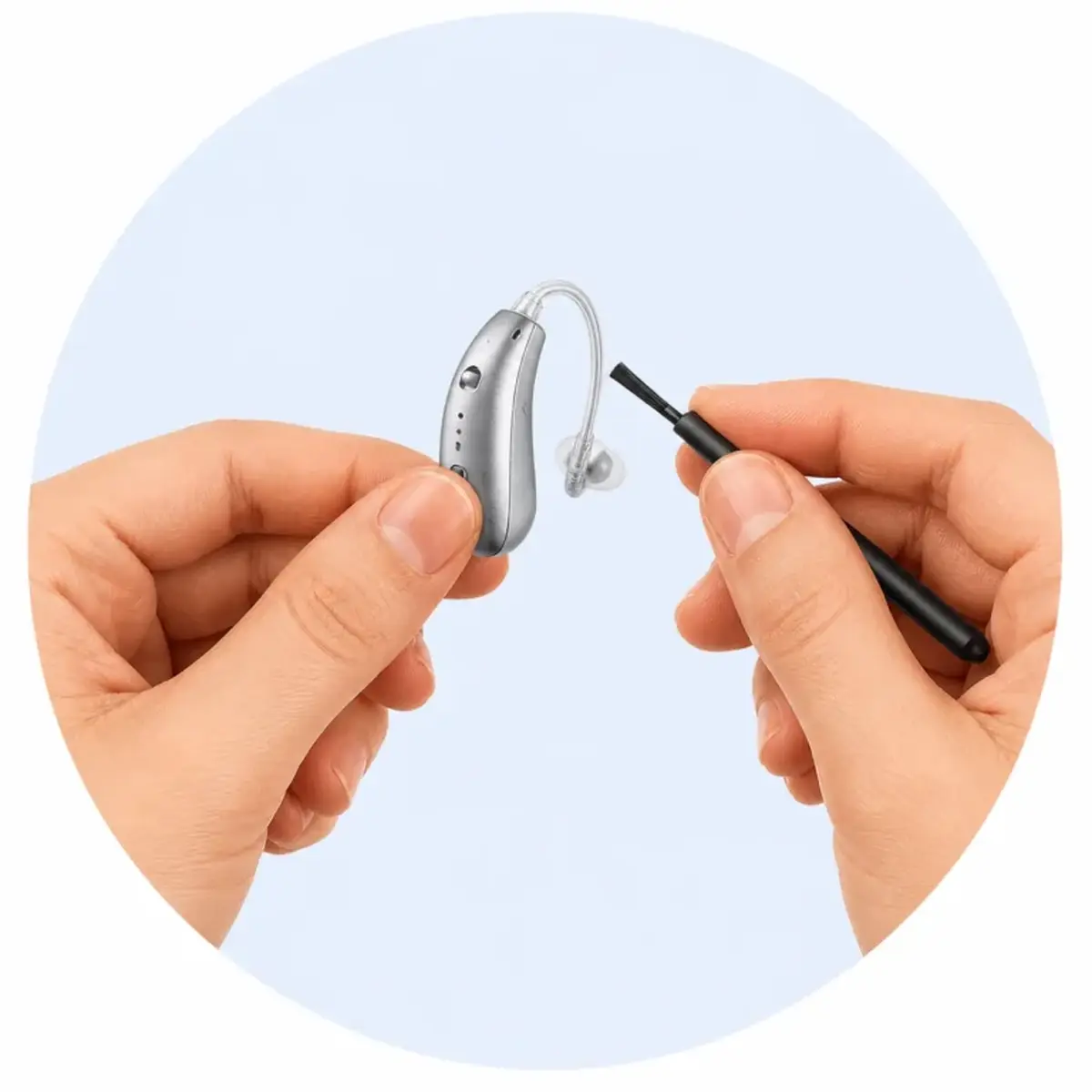
The people who thrive with power aids wear them all day from the start, return for adjustments instead of tolerating problems, and keep earmolds and wax guards maintained. Also, protect what you have: further noise damage on top of severe loss is devastating, so hearing protection around loud equipment and concerts is non-negotiable from here on.
Frequently Asked Questions
Can I get invisible hearing aids for severe hearing loss?
Probably not. Invisible and tiny in-the-canal styles cannot produce the output severe loss needs without constant feedback and distortion, and they lack the battery capacity for high gain. Here the visible behind-the-ear option is not a compromise but the correct engineering.
How long do power hearing aids last?
Typically five to seven years. What changes the math at the severe level is that your hearing may keep declining, and a device fit three years ago can become underpowered. Annual hearing tests catch this drift before it costs you understanding.
Will stronger hearing aids damage my hearing further?
Properly fit hearing aids do not damage hearing. Fitting software sets maximum output limits based on your thresholds to keep sound within safe levels, which is another reason professional fitting matters at this level. Problems arise from poorly fit devices, not appropriate amplification.
Does insurance cover power hearing aids or cochlear implants?
It depends on the device and the plan. Traditional Medicare does not cover hearing aids, though some Medicare Advantage plans offer a hearing benefit. Cochlear implants are more often covered as a medical prosthesis but require documented candidacy and prior authorization. Get billing codes from your provider and verify coverage in writing first. Our guide to whether Medicare covers hearing aids is a useful starting point.
At what point should I ask about a cochlear implant?
Ask when well-fit hearing aids no longer give you the understanding you need for daily life: phone calls are a struggle, group conversations exhaust you, and your aided word recognition scores are low. You do not need your audiologist’s permission to request an evaluation at a cochlear implant center. Earlier evaluation is better than later, because outcomes tend to be stronger when the auditory system has had less time in silence. Manufacturer information at Cochlear can help you understand the process before that first appointment.
The Bottom Line
Severe hearing loss is not a job for small devices or pharmacy shelves. It calls for power and super-power behind-the-ear instruments, fit by a professional with real ear verification and custom earmolds. OTC devices cannot reach the output you need. And when even the best-fit power aids leave you struggling, a cochlear implant evaluation is the honest next step, not a last resort. The worst outcome is waiting years while your brain gets less and less sound. Get tested, get fit properly, and keep moving forward.