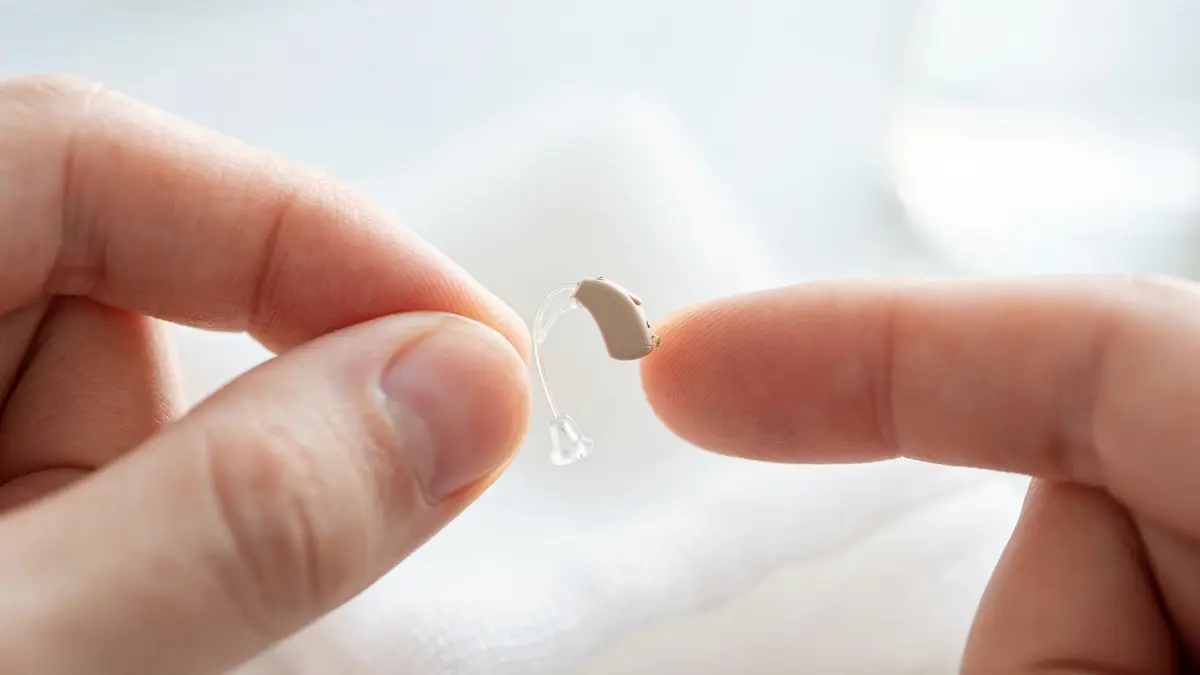
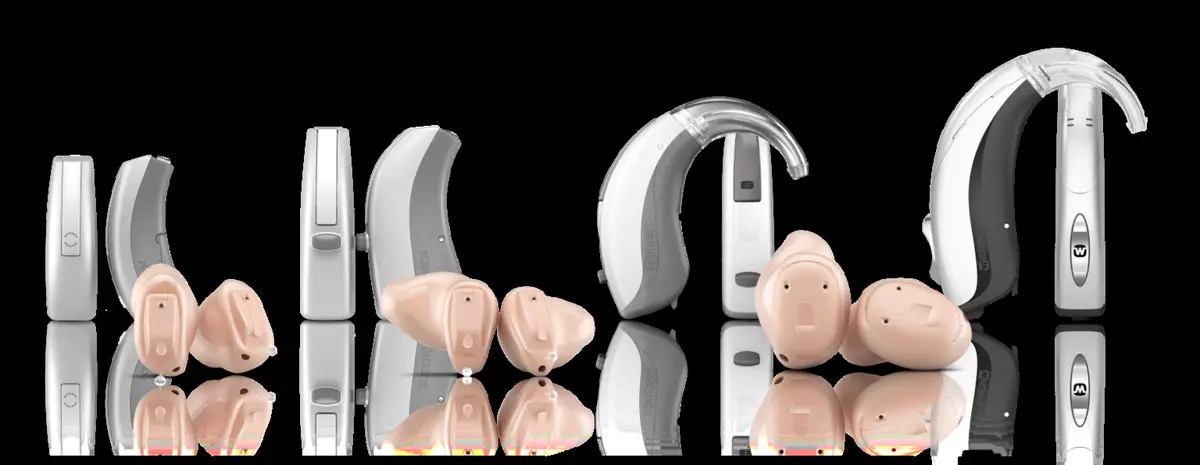

Walk through any pharmacy or scroll through online marketplaces and you will see small ear-worn devices promising better hearing for $30, $50, or $100. Some are labeled hearing aids. Others say “personal sound amplifier” or “hearing amplifier.” They look nearly identical, and the marketing often sounds identical too. But under the hood, legally and technically, these are two completely different product categories. Mixing them up can cost you money at best and leave your hearing loss untreated at worst. Here is the clear, no-jargon explanation.
The Legal Definitions
The FDA draws a bright line between these products. A hearing aid is a medical device intended to compensate for impaired hearing. That single phrase carries enormous weight: it means the product must meet FDA requirements for safety, effectiveness, manufacturing quality, and labeling. Prescription hearing aids require professional fitting. Over-the-counter hearing aids, legal since the FDA’s 2022 rule, can be bought directly but must still meet strict federal requirements for performance, labeling, and output limits. You can see exactly which products qualify on our FDA OTC hearing aid list.
A personal sound amplification product (PSAP) is not a medical device at all. The FDA defines PSAPs as wearable electronic products intended to amplify sounds for people without hearing loss, for non-medical purposes like hunting, birdwatching, or hearing a distant speaker at a lecture. Because they make no medical claims, they face far lighter regulation: no effectiveness standards, no output safety limits designed for impaired ears, no manufacturing quality rules specific to hearing.
Here is the critical part: it is illegal to market a PSAP as a treatment for hearing loss. A company cannot legally claim its $40 amplifier “treats hearing impairment” or “works like a $3,000 hearing aid.” Many do it anyway through careful wording and fake reviews, which is why this distinction matters for your wallet.
How the Technology Differs
Beyond the legal labels, the engineering is genuinely different. Most cheap PSAPs are simple analog amplifiers: a microphone picks up sound, a basic circuit makes everything louder, and a speaker plays it back. Turn it up and the TV gets louder, but so does the air conditioner, the traffic outside, and the clatter of dishes. There is no intelligence in the system, just volume.
Hearing aids, even affordable OTC ones, use digital signal processing shaped to hearing loss. A hearing test reveals which frequencies you struggle with (usually high frequencies first, which carry consonant sounds like s, f, and th). The hearing aid then boosts those specific frequencies while leaving others alone, compresses loud sounds so they stay comfortable, reduces steady background noise, and cancels feedback. This is why a $99 OTC hearing aid like the Audien Atom can outperform a $50 amplifier in real conversations: it is not louder, it is smarter.
| Factor | Hearing Aids (OTC or Prescription) | Personal Sound Amplifiers (PSAPs) |
|---|---|---|
| FDA classification | Regulated medical device | Consumer electronic, not a medical device |
| Intended user | Adults with hearing loss | People with normal hearing |
| Amplification | Shaped to your hearing loss pattern | Uniform volume boost, all frequencies |
| Noise handling | Noise reduction, directional mics, feedback cancellation | Usually none |
| Output safety limits | Federal maximum output requirements | No mandated limits |
| Typical price | $99 to $4,000+ per pair | $20 to $300 |
| Can claim to treat hearing loss | Yes | No, illegal to do so |
When a PSAP Actually Makes Sense
PSAPs are not useless; they are just misused. If your hearing tests normal and you want to hear distant birds on a morning walk, catch every word of a soft-spoken lecturer in a large hall, or amplify the TV slightly without bothering others, a PSAP is a reasonable, inexpensive tool. Hunters use them to hear game while blocking gunshot noise. These are legitimate non-medical uses, and for them a simple amplifier is fine.
The trouble starts when someone with real hearing loss buys a PSAP expecting hearing aid results. Because the device amplifies everything equally, noisy environments become overwhelming rather than clearer. Speech does not get clearer, just louder, and louder-but-muddy speech is still hard to understand. Many people conclude “hearing devices don’t work for me” after a bad PSAP experience and delay getting real help for years. That delay has consequences: untreated hearing loss is linked to social withdrawal and frustration in daily life, and research increasingly connects it to cognitive decline. Our signs you might need hearing aids guide can help you tell which camp you are in.
Red Flags in Amplifier Marketing
Because PSAPs are lightly regulated, the marketing around them ranges from optimistic to outright deceptive. Watch for these warning signs:
- Miracle language: phrases like “restores natural hearing,” “hear a pin drop,” or “works like $5,000 hearing aids.” Legitimate companies do not talk this way.
- No mention of hearing loss type: real hearing solutions ask about your hearing. If the listing never mentions mild, moderate, or severe loss, it is not a hearing device.
- Fake scarcity and countdown timers: high-pressure tactics are a hallmark of low-quality sellers, not medical device companies.
- No company address or support number: if you cannot find a real business behind the product, assume there is no warranty worth having.
- Stock photos instead of real product images: legitimate brands show their actual devices from multiple angles.
We take a harder look at the worst of these tactics in our article on whether cheap hearing amplifiers are a scam.
The Safety Concern Nobody Mentions
There is a genuine safety angle here. Hearing aids must meet federal output limits so they cannot blast damaging sound levels into already-impaired ears. PSAPs have no such requirement. A cheap amplifier turned to maximum can output sound levels that risk further hearing damage, especially with prolonged use. If you have any hearing loss at all, using an unregulated amplifier at high volume is gambling with the hearing you have left.
How to Decide What You Need
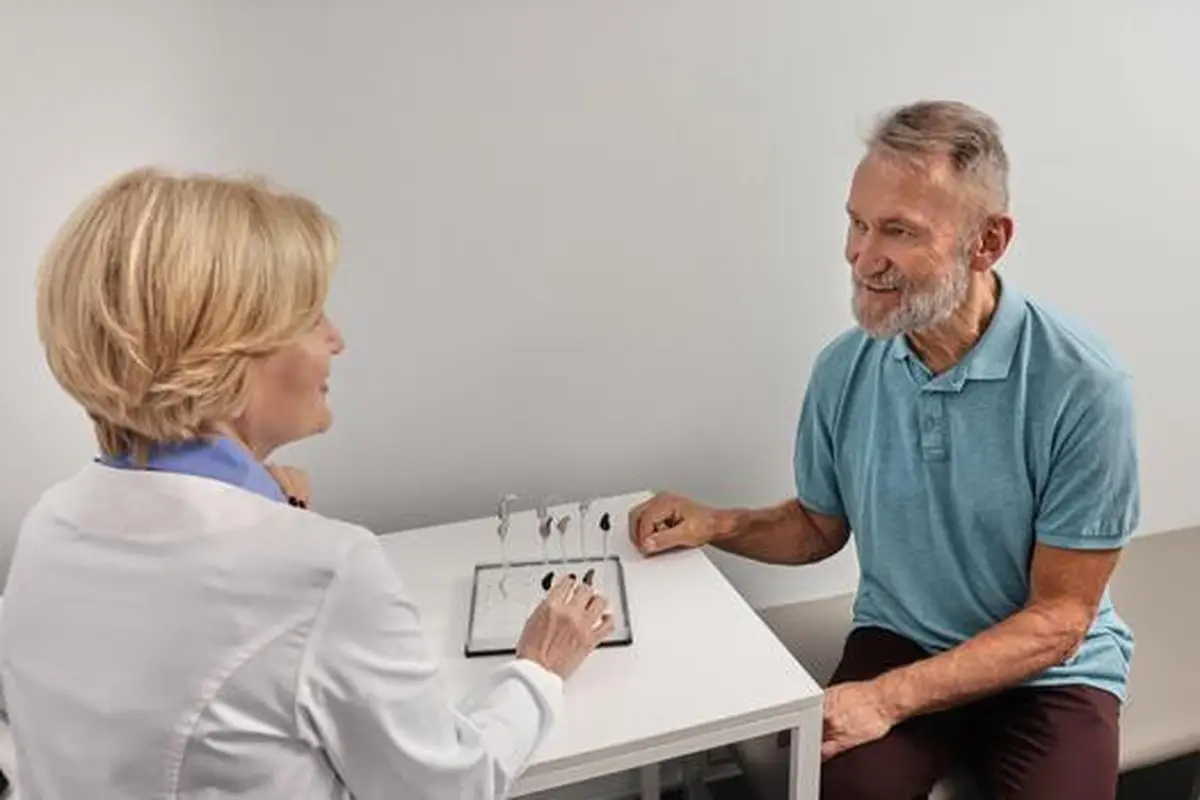
The decision tree is simpler than the marketing makes it seem. Step one: get your hearing tested. Many clinics offer free screenings, and you can even take Apple’s validated test with AirPods Pro 2 (see our AirPods Pro 2 guide). Step two: if the test shows normal hearing and you just want occasional amplification for specific activities, a PSAP is fine. Step three: if the test shows any degree of hearing loss, skip the amplifiers and look at real hearing aids. Start with our OTC vs prescription comparison to find your lane, then check hearing aid types to understand your options.
Frequently Asked Questions
Can I use a PSAP if I have mild hearing loss?
You physically can, but it is not advisable. PSAPs are not designed for hearing loss, lack output safety limits, and amplify noise along with speech. An affordable OTC hearing aid will serve you far better for a similar price.
Why are PSAPs so much cheaper than hearing aids?
They contain far simpler electronics, face minimal regulatory requirements, and include no professional services, testing, or fitting. You are comparing a basic amplifier to a regulated medical device, so the price gap reflects a real difference in what is inside.
Is it illegal to sell a PSAP as a hearing aid?
Marketing a PSAP with claims that it treats hearing impairment violates FDA rules. Enforcement is inconsistent, especially with overseas sellers on marketplaces, which is why misleading listings persist.
Can a PSAP damage my hearing?
Possibly, if used at high volume for long periods. Unlike hearing aids, PSAPs are not required to meet maximum output limits, so an irresponsible design or careless volume setting can expose your ears to harmful levels.
What is the cheapest legitimate hearing aid option?
FDA-registered OTC hearing aids start around $99 per pair from brands like Audien. That is only slightly more than many PSAPs, and you get a regulated medical device with proper amplification shaping.
The Bottom Line
Hearing aids and personal sound amplifiers share a shape and little else. One is a regulated medical device engineered for hearing loss; the other is a simple amplifier for people with normal hearing. If you have hearing loss, even mild, an amplifier is the wrong tool, and the small savings are not worth the poor results and potential risk. Get tested, know your numbers, and choose a real hearing solution. Your next step: read our complete list of FDA OTC hearing aids to see legitimate options at every budget.