I write about what hearing aids really cost, which ones are worth it, and how to take care of your hearing, based on hours of research into specs, prices, and real user experiences.
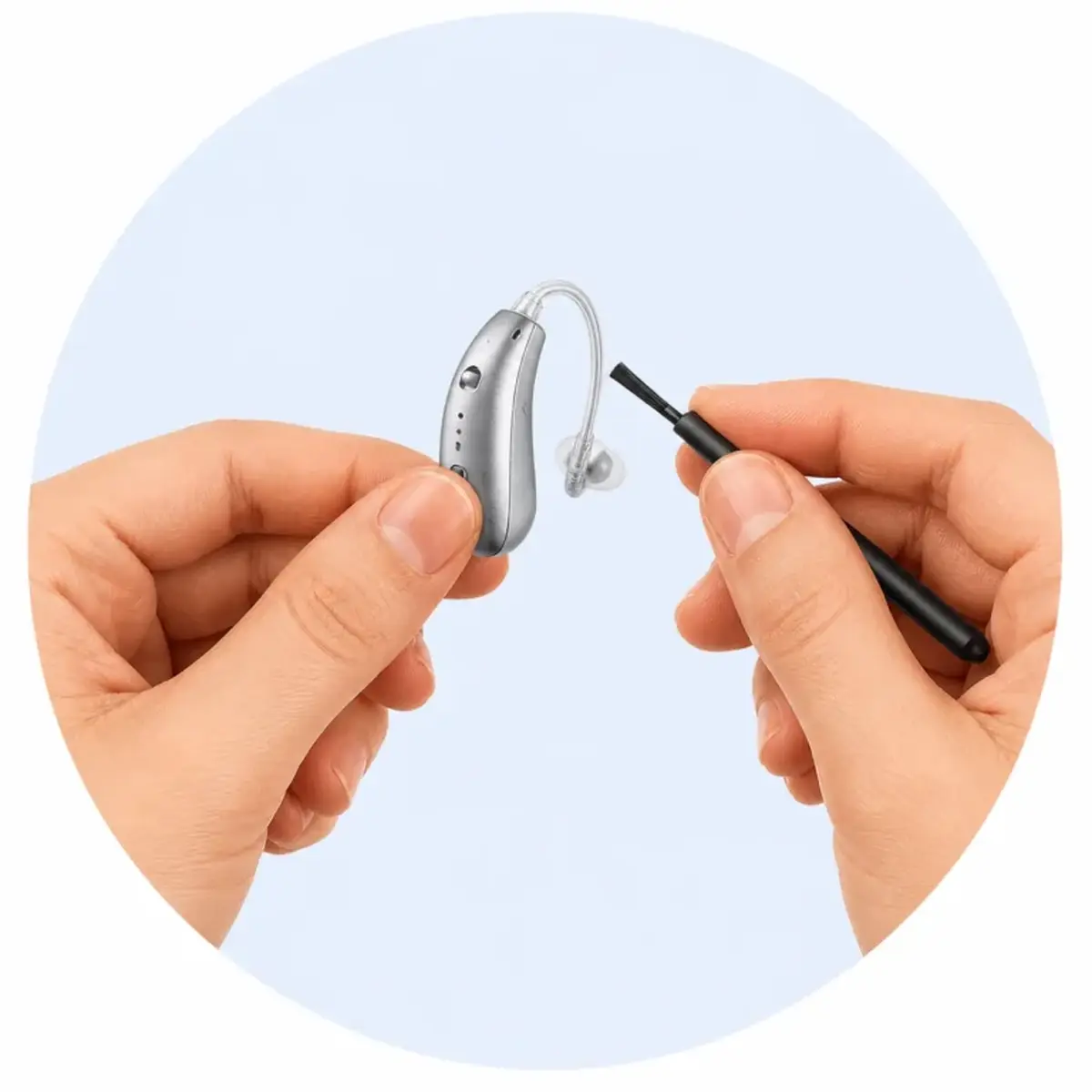
Here is a secret the hearing aid industry does not advertise: a huge share of “broken” hearing aids are not broken at all. They are just dirty. Earwax, skin oils, and moisture slowly clog the tiny sound outlet, and one day the aid sounds weak, muffled, or completely dead. A proper cleaning brings most of…
Browse by Topic
What do you want to read about?
Six topics, 100+ guides, zero fluff. Pick the one on your mind.
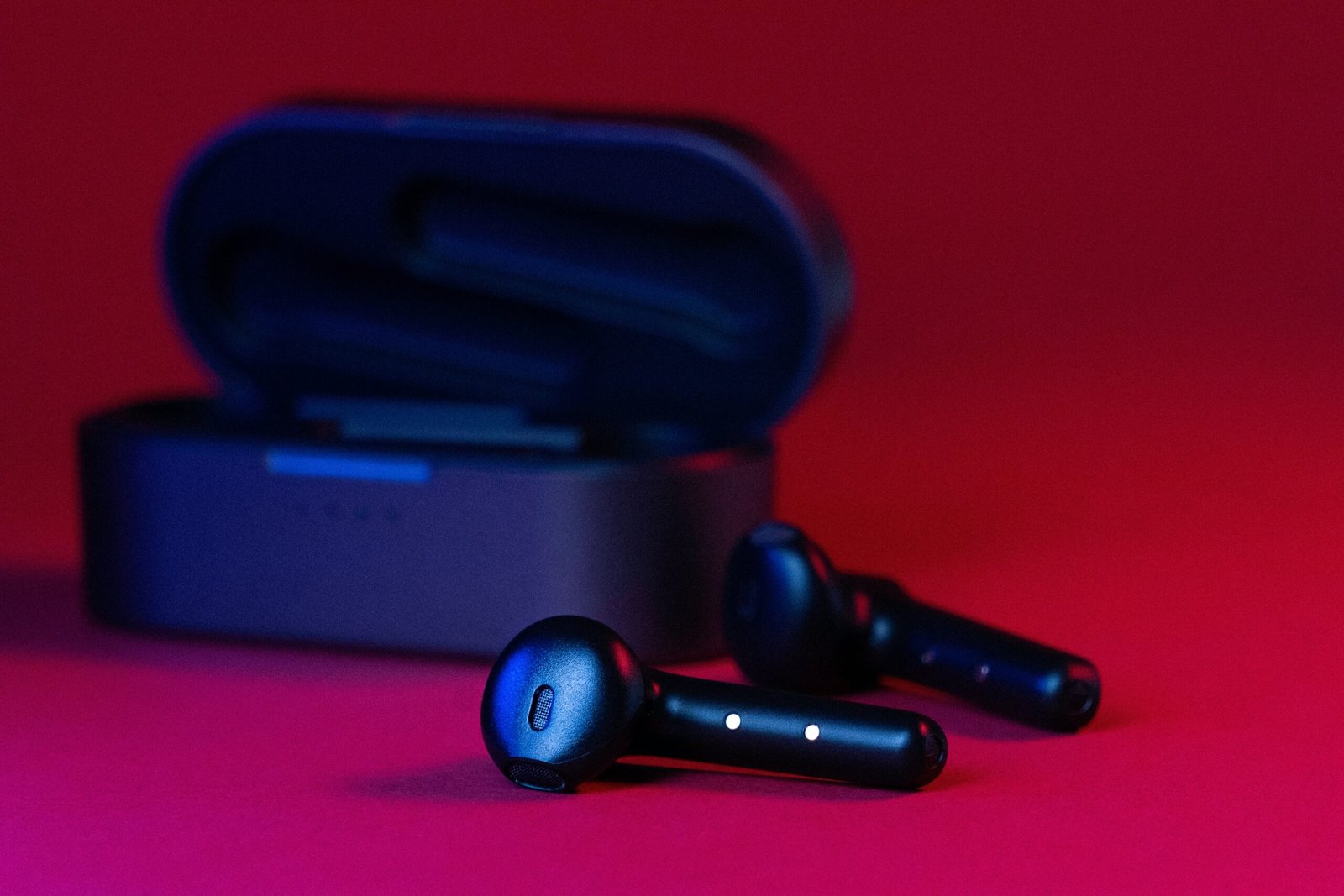
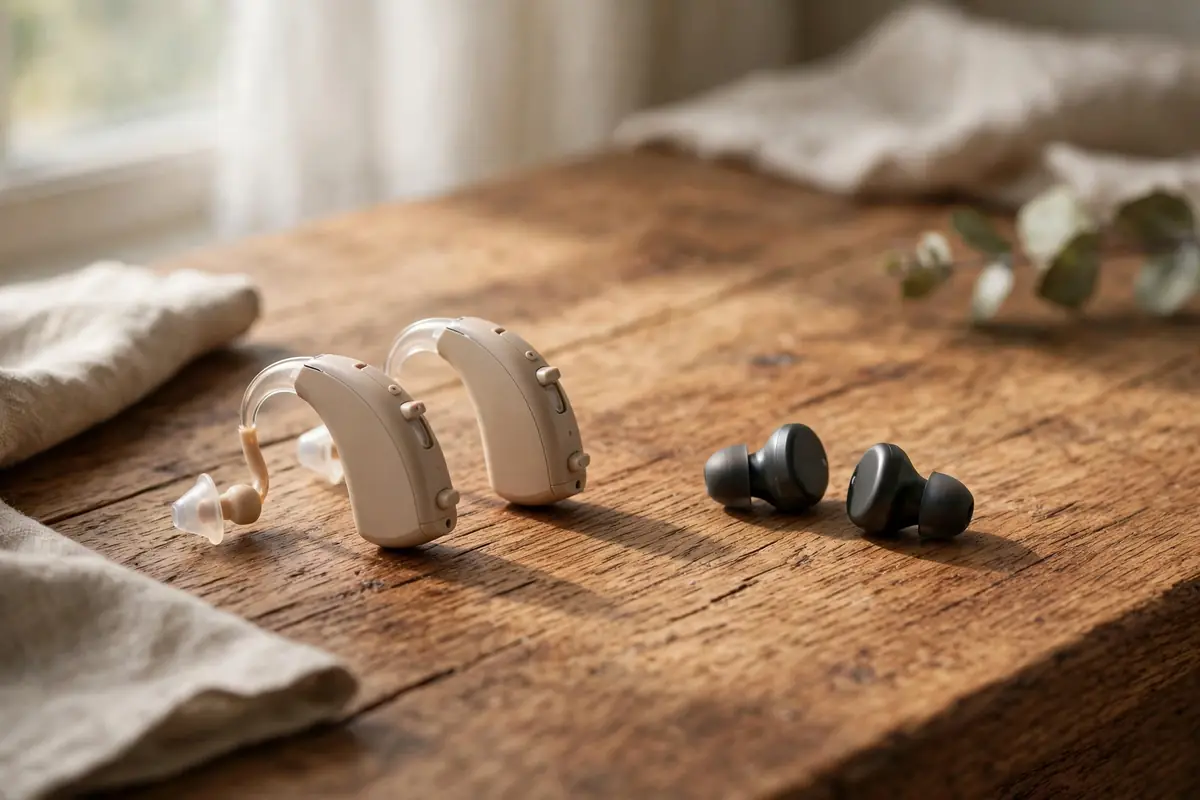
Ever since Apple added an FDA-authorized Hearing Aid feature to the AirPods Pro 2, one question keeps coming up: can a pair of earbuds actually replace real hearing aids? It is a fair question, because the price difference is dramatic and the convenience is tempting. But earbuds and hearing aids are designed for fundamentally different…
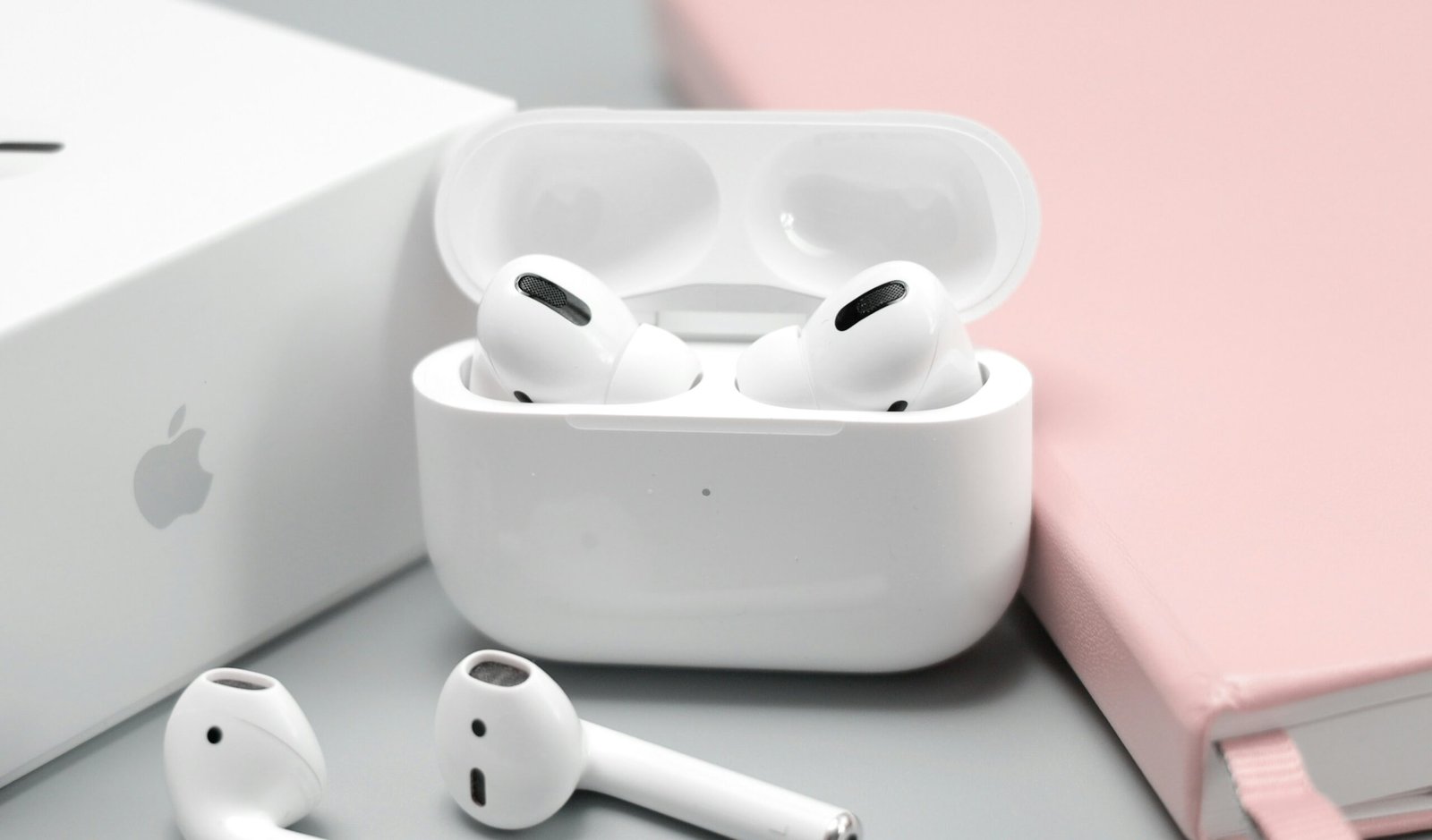
When Apple announced that the AirPods Pro 2 could function as hearing aids, plenty of people assumed it was marketing spin. It was not. In September 2024, the U.S. Food and Drug Administration granted authorization for Apple’s Hearing Aid feature, making the AirPods Pro 2 the first FDA-authorized over-the-counter hearing aid software device. That is…
If you are shopping for hearing aids on a budget, two names come up more than any others: MDHearing and Audien. Both sell direct to consumers, both are FDA-registered OTC brands, and both promise to cut the clinic markup out of the equation. But they take very different approaches. Audien’s headline is a $99 price…
MDHearing has been selling affordable hearing aids online since long before OTC hearing aids were a regulatory category. The Chicago-based company built its reputation on a simple idea: cut out the clinic markup, sell direct, and support customers by phone and video instead of in person. With the VOLT 4 now listed at $397 a…
Important Update (October 2026): Lexie’s parent company, LXE Hearing, entered an Assignment for the Benefit of Creditors on July 15, 2026 and began winding down its U.S. operations. The Lexie app was discontinued after October 8, 2026, and customer support ended October 22, 2026. We do not recommend purchasing Lexie products at this time. When…
Model Update (October 2026): Jabra Enhance launched its M Series in August 2026 (Select M1 $1,195 / M2 $1,695 / M3 $1,995). The Select 300 reviewed here is being phased out in favor of the Select M2 at the same $1,695 price. The core review below remains valid, as the M2 is its direct successor.…
Here is some genuinely good news in the world of hearing aid prices: the money you have already set aside in a Flexible Spending Account (FSA) or Health Savings Account (HSA) can be used to buy hearing aids. Prescription models, over-the-counter models, batteries, repairs, the whole lot. The IRS treats hearing aids as a qualified…
Few purchases sting quite like hearing aids. You walk into a clinic with a hearing problem and walk out facing a $3,000 to $6,000 quote. Even the affordable OTC brands can run $500 to $2,000 a pair, which is a lot to hand over at once. That is why financing exists, and honestly, for hearing…
Important Update (October 2026): Eargo’s parent company, LXE Hearing, entered an Assignment for the Benefit of Creditors on July 15, 2026 and began winding down its U.S. operations. Eargo products are no longer available for purchase and support has ended. This comparison is kept for reference, but we recommend the Jabra Enhance — Eargo is…
I started Clear Hear Guide because buying a hearing aid felt like navigating a maze of jargon, hidden prices, and pushy salespeople. So I do the homework: I read the spec sheets, compare the prices, and dig through real user reviews, then write it all up the way I’d explain it to my own family.
Prescription hearing aids typically cost $1,000 to $4,000+ per pair, while quality OTC hearing aids range from about $100 to $1,500 per pair. The final price depends on technology level, provider services, and warranty. My cost guides break down real 2026 prices by brand and type.
For adults with mild to moderate hearing loss, yes. Since the FDA’s 2022 rule, OTC devices from established brands offer legitimate amplification at a fraction of prescription prices. They are not right for severe loss or complex ear conditions. See my best OTC hearing aids roundup.
Original Medicare does not cover hearing aids or routine hearing exams. Many Medicare Advantage plans offer a hearing aid allowance, typically a few hundred to a couple thousand dollars per year. My insurance guides explain each program in detail.
Most hearing aids last 3 to 7 years with proper care. Rechargeable batteries hold up for daily use, while disposable size-312 and size-10 cells last 3 to 10 days depending on streaming. My care guides show how to maximize lifespan.
It is smart to get a hearing test first so you know your type and degree of loss. A test also rules out medical causes like earwax blockage or infection. Many clinics offer free or low-cost screenings. Read my hearing health guides to understand your results.

 Nofal · New guides every week