I write about what hearing aids really cost, which ones are worth it, and how to take care of your hearing, based on hours of research into specs, prices, and real user experiences.
Buying hearing aids is a bigger decision than most people expect. The devices cost anywhere from a hundred dollars to several thousand per pair, the technology is confusing, and the sales process varies wildly between providers. Walk in unprepared and you risk overpaying, getting the wrong technology, or discovering the return policy only when you…
Browse by Topic
What do you want to read about?
Six topics, 100+ guides, zero fluff. Pick the one on your mind.
Buying hearing aids is a bigger decision than most people expect. The devices cost anywhere from a hundred dollars to several thousand per pair, the technology is confusing, and the sales process varies wildly between providers. Walk in unprepared and you risk overpaying, getting the wrong technology, or discovering the return policy only when you…
Hearing aids can quiet tinnitus through amplification and sound therapy. Here is how masking features work, which brands offer them, and what to expect.
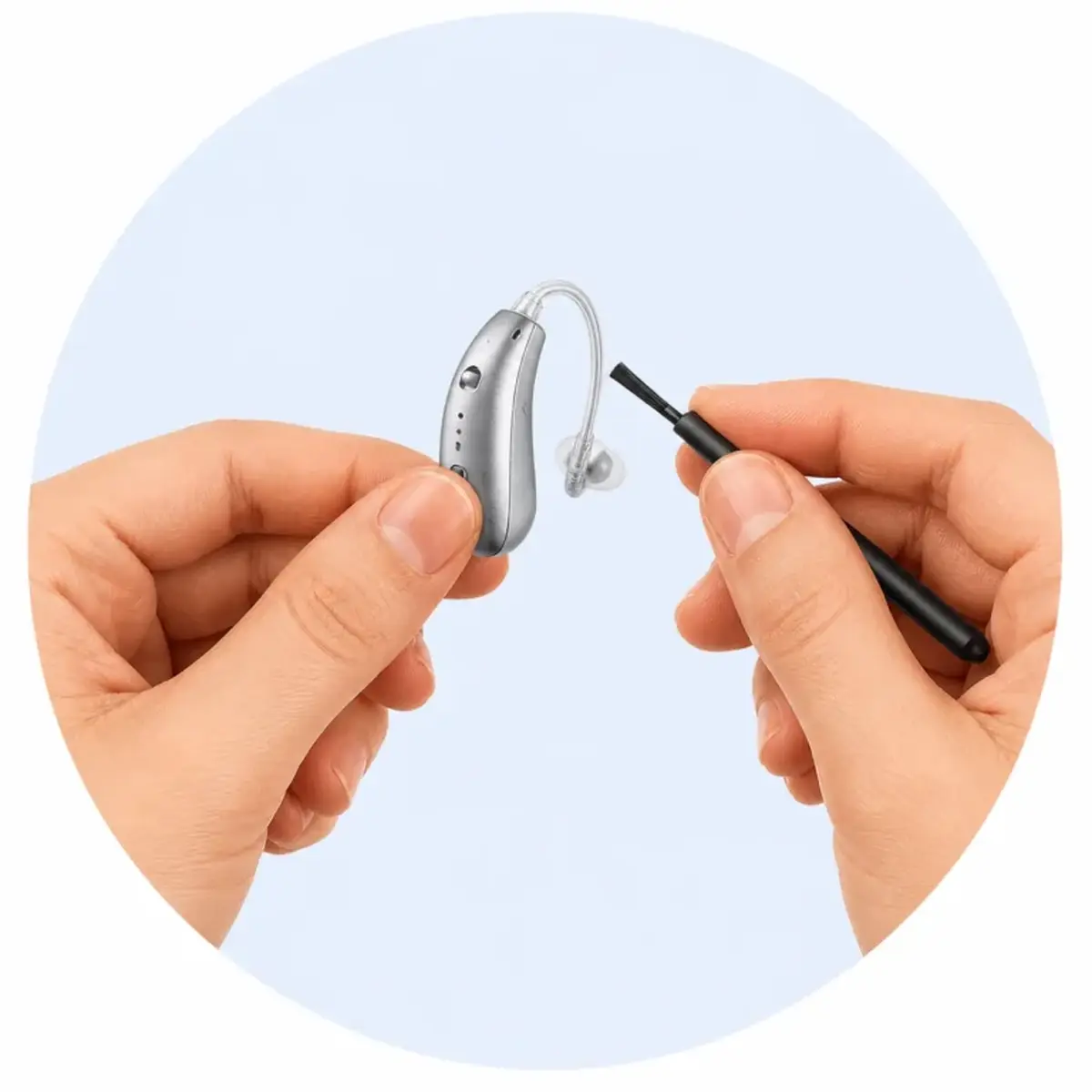
Here is a secret the hearing aid industry does not advertise: a huge share of “broken” hearing aids are not broken at all. They are just dirty. Earwax, skin oils, and moisture slowly clog the tiny sound outlet, and one day the aid sounds weak, muffled, or completely dead. A proper cleaning brings most of…
Your audiogram says mild hearing loss. Do you need hearing aids now, or can you wait? Here is what mild really means and why acting early usually pays off.
When you are about to spend thousands on hearing aids, “how long will they last?” is the question that really matters. The answer affects the true yearly cost of your purchase more than the sticker price does. A $4,000 pair that lasts seven years is cheaper per year than a $2,500 pair that dies in…
Severe hearing loss needs serious power. Learn what severe means on an audiogram, which hearing aids work, why OTC falls short, and when implants are next.
“How long should these last?” is one of the first questions every new hearing aid wearer asks, usually while staring at a battery that died after four days. The honest answer is: it depends on the size, your hearing loss, and how you use the aids. But there are solid real-world ranges, and this guide…
I started Clear Hear Guide because buying a hearing aid felt like navigating a maze of jargon, hidden prices, and pushy salespeople. So I do the homework: I read the spec sheets, compare the prices, and dig through real user reviews, then write it all up the way I’d explain it to my own family.
Prescription hearing aids typically cost $1,000 to $4,000+ per pair, while quality OTC hearing aids range from about $100 to $1,500 per pair. The final price depends on technology level, provider services, and warranty. My cost guides break down real 2026 prices by brand and type.
For adults with mild to moderate hearing loss, yes. Since the FDA’s 2022 rule, OTC devices from established brands offer legitimate amplification at a fraction of prescription prices. They are not right for severe loss or complex ear conditions. See my best OTC hearing aids roundup.
Original Medicare does not cover hearing aids or routine hearing exams. Many Medicare Advantage plans offer a hearing aid allowance, typically a few hundred to a couple thousand dollars per year. My insurance guides explain each program in detail.
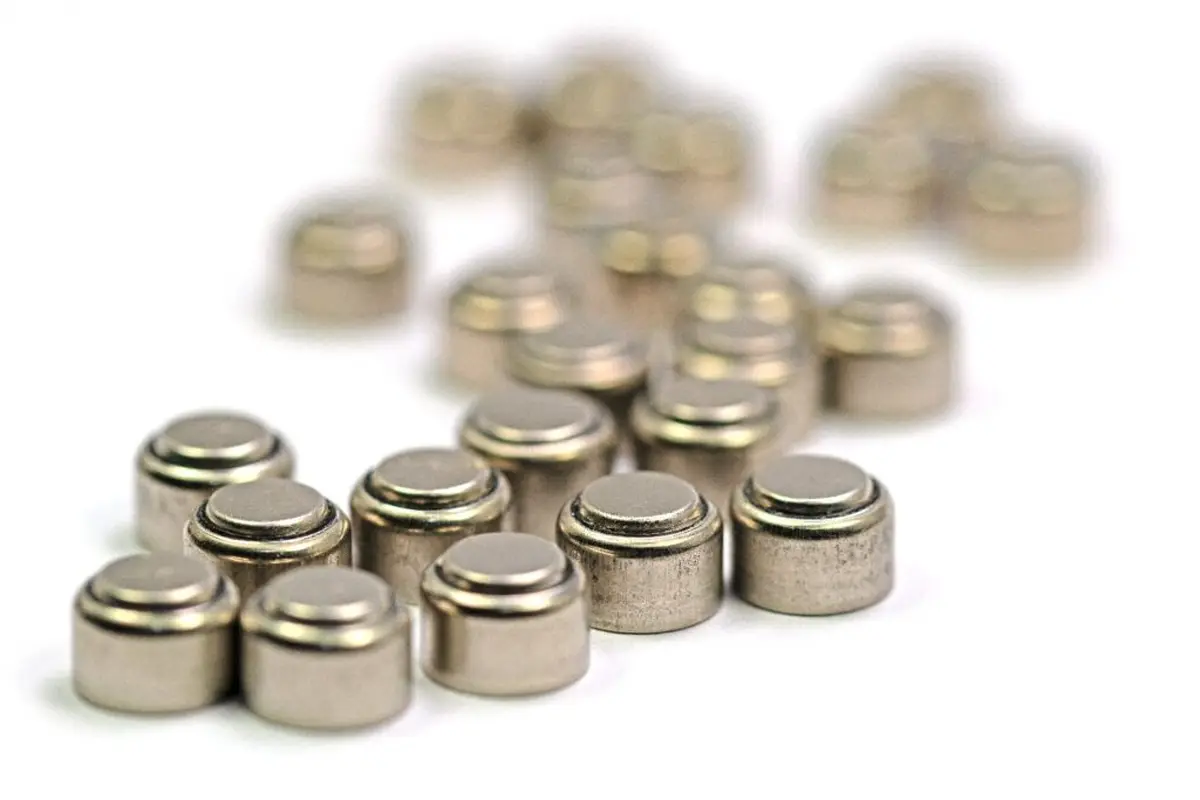
Most hearing aids last 3 to 7 years with proper care. Rechargeable batteries hold up for daily use, while disposable size-312 and size-10 cells last 3 to 10 days depending on streaming. My care guides show how to maximize lifespan.
It is smart to get a hearing test first so you know your type and degree of loss. A test also rules out medical causes like earwax blockage or infection. Many clinics offer free or low-cost screenings. Read my hearing health guides to understand your results.

 Nofal · New guides every week