I write about what hearing aids really cost, which ones are worth it, and how to take care of your hearing, based on hours of research into specs, prices, and real user experiences.
Buying hearing aids is a bigger decision than most people expect. The devices cost anywhere from a hundred dollars to several thousand per pair, the technology is confusing, and the sales process varies wildly between providers. Walk in unprepared and you risk overpaying, getting the wrong technology, or discovering the return policy only when you…
Browse by Topic
What do you want to read about?
Six topics, 100+ guides, zero fluff. Pick the one on your mind.
Buying hearing aids is a bigger decision than most people expect. The devices cost anywhere from a hundred dollars to several thousand per pair, the technology is confusing, and the sales process varies wildly between providers. Walk in unprepared and you risk overpaying, getting the wrong technology, or discovering the return policy only when you…
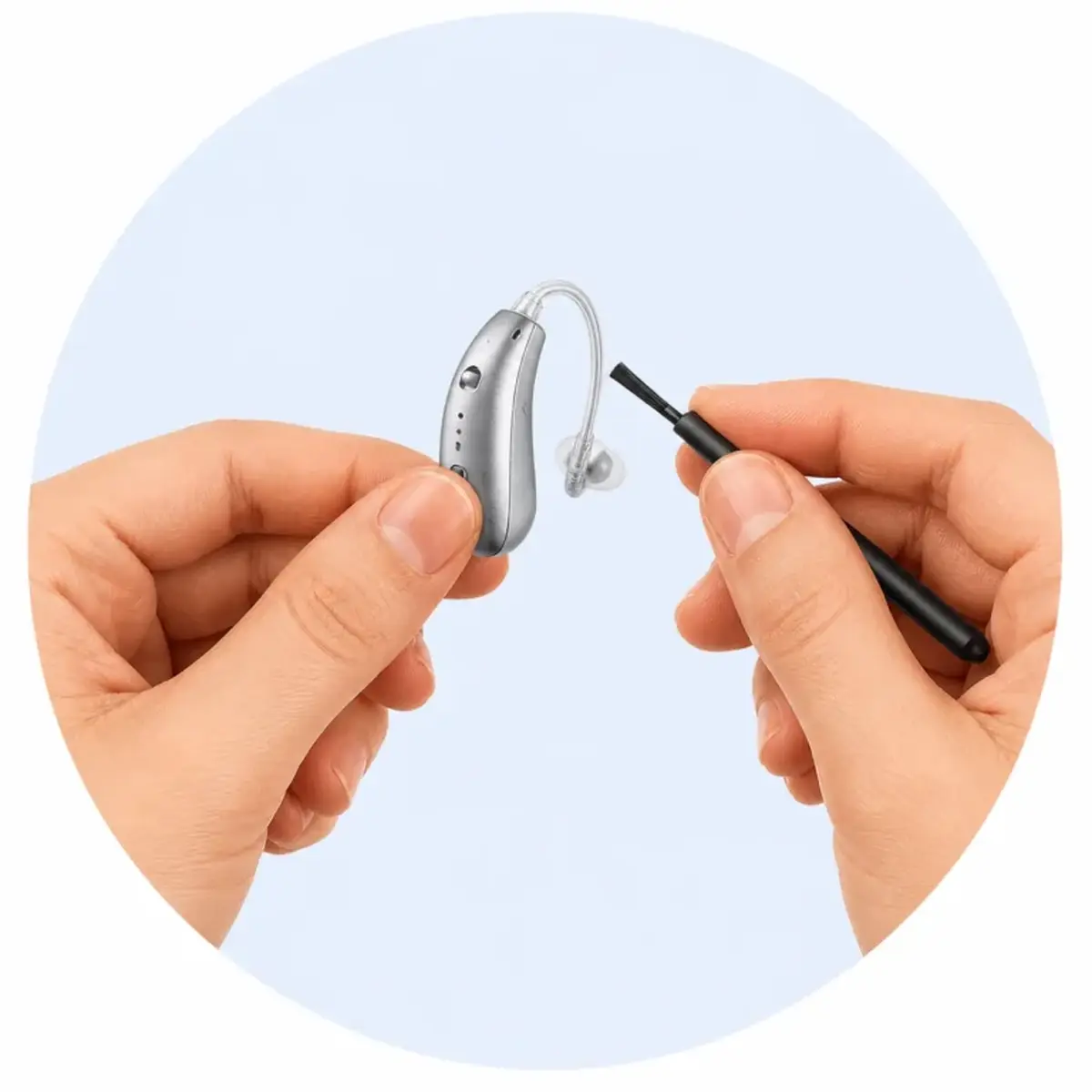
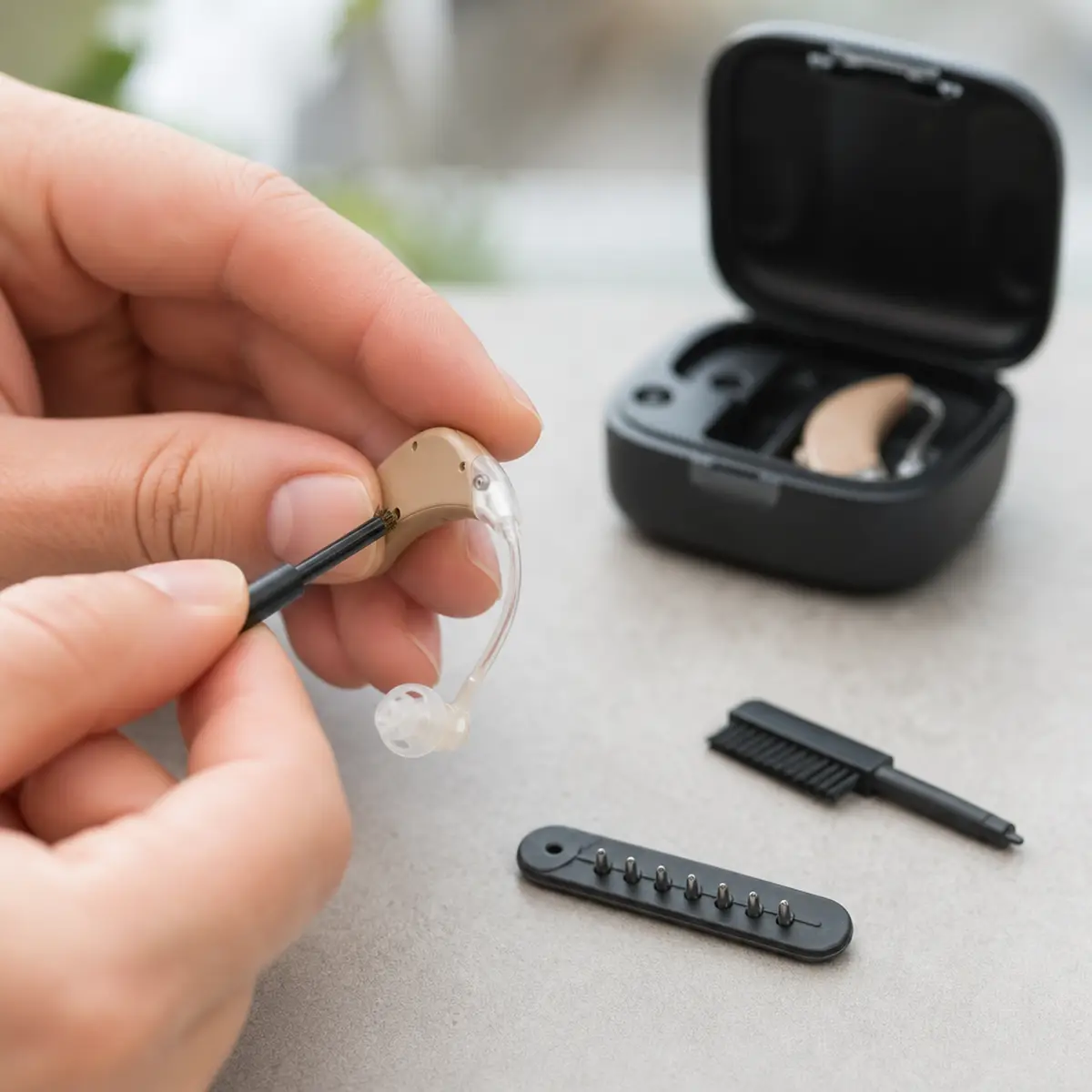
Here is a secret the hearing aid industry does not advertise: a huge share of “broken” hearing aids are not broken at all. They are just dirty. Earwax, skin oils, and moisture slowly clog the tiny sound outlet, and one day the aid sounds weak, muffled, or completely dead. A proper cleaning brings most of…
When you are about to spend thousands on hearing aids, “how long will they last?” is the question that really matters. The answer affects the true yearly cost of your purchase more than the sticker price does. A $4,000 pair that lasts seven years is cheaper per year than a $2,500 pair that dies in…
“How long should these last?” is one of the first questions every new hearing aid wearer asks, usually while staring at a battery that died after four days. The honest answer is: it depends on the size, your hearing loss, and how you use the aids. But there are solid real-world ranges, and this guide…
If your hearing aid suddenly sounds weak or muffled, there is a good chance the culprit is a component smaller than a grain of rice: the wax guard. This tiny filter is the unsung hero of hearing aid maintenance, quietly catching earwax before it can reach the delicate speaker inside. When it gets clogged, sound…
Hearing aids are expensive, the technology is confusing, and the buyers are often older adults. That combination makes this industry a magnet for scammers. Every year, seniors lose money to fake discounts, miracle-cure claims, and high-pressure sellers pushing devices that are worthless or wildly overpriced. The good news: hearing aid scams follow predictable patterns. Once…
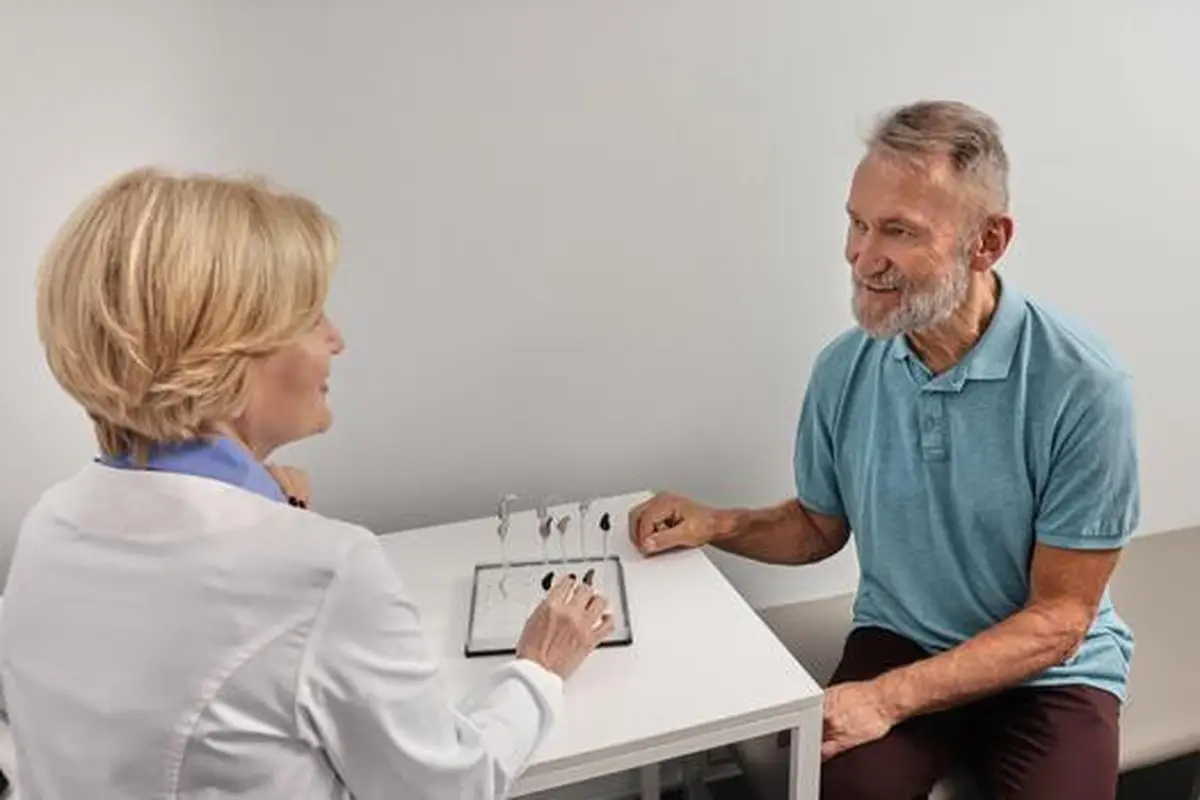
You have chosen your hearing aids. Now comes the appointment that determines whether they actually work for you: the fitting. Many first-time buyers imagine it as a quick handover, a box, a handshake, done. In reality, a proper fitting is a detailed clinical appointment, usually 60 to 90 minutes, where the devices are customized to…
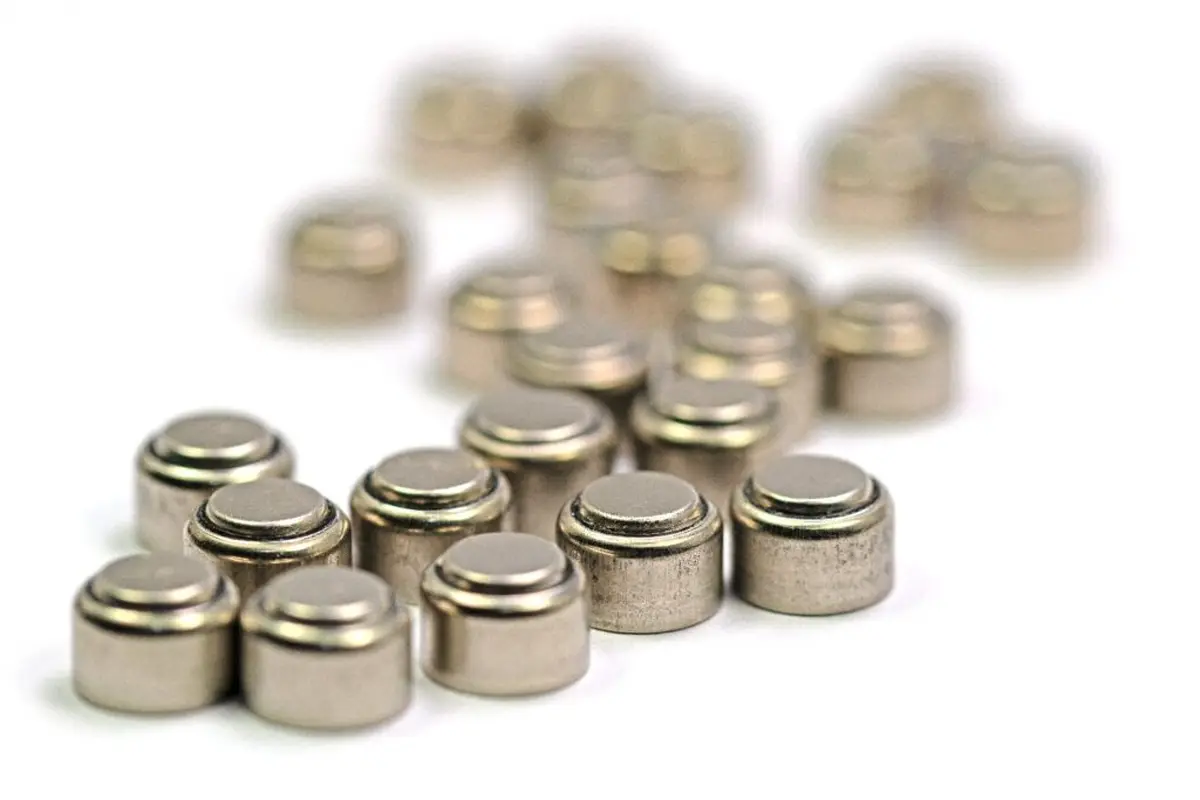
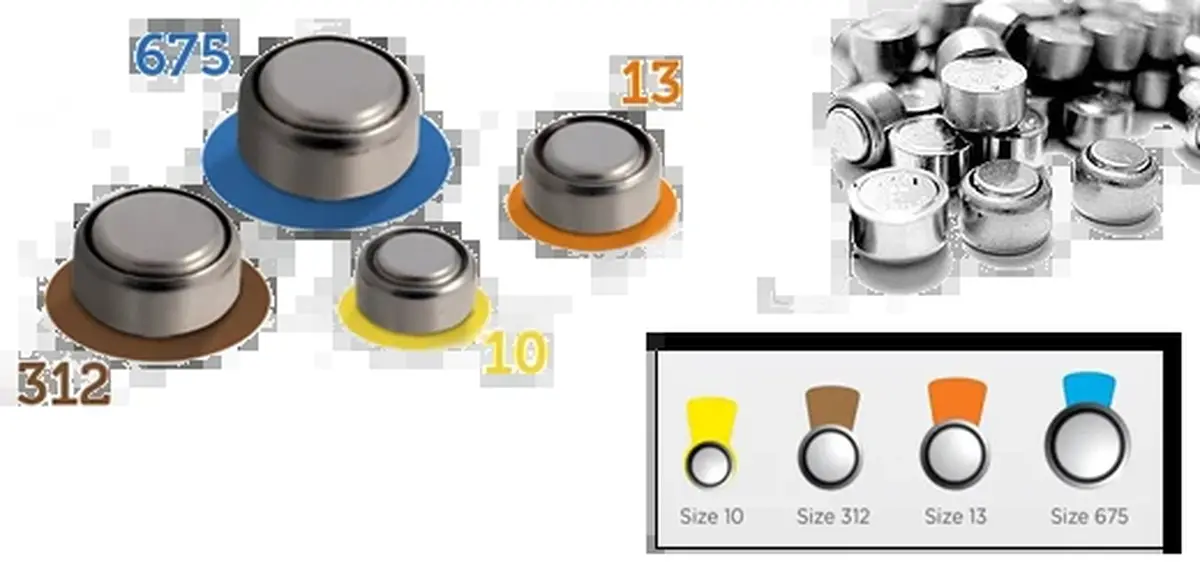
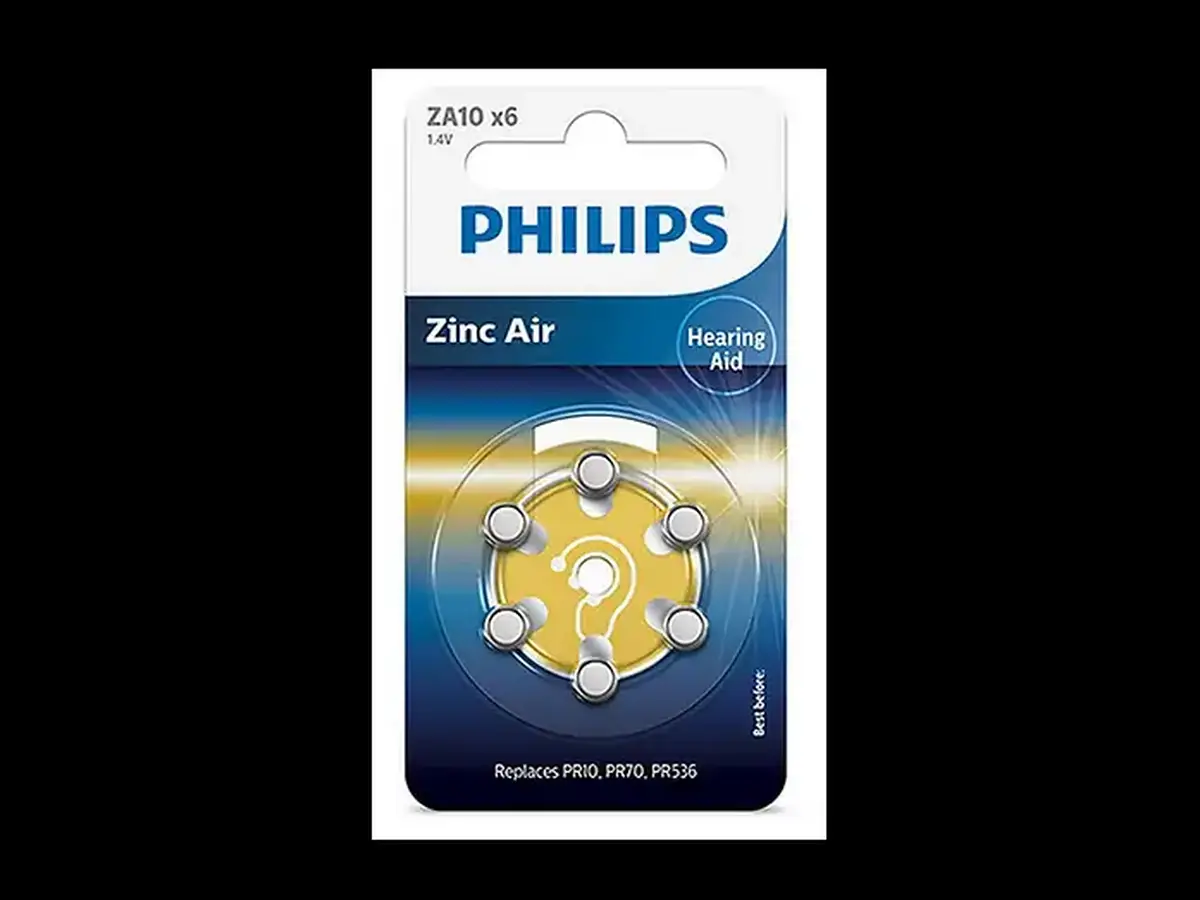
Open a pack of hearing aid batteries for the first time and you will face a small rainbow of colored tabs and three-digit numbers. Size 10, 13, 312, 675. Yellow, orange, brown, blue. It looks like a code, and in a way it is, but it is a simple one. Once you learn it, you…
You put in a fresh battery on Monday. By Wednesday the aid is beeping its low-battery warning. The package promised a week or more, so what gives? Fast battery drain is one of the most common hearing aid complaints, and the frustrating part is that it is rarely just one thing. It is usually a…
I started Clear Hear Guide because buying a hearing aid felt like navigating a maze of jargon, hidden prices, and pushy salespeople. So I do the homework: I read the spec sheets, compare the prices, and dig through real user reviews, then write it all up the way I’d explain it to my own family.
Prescription hearing aids typically cost $1,000 to $4,000+ per pair, while quality OTC hearing aids range from about $100 to $1,500 per pair. The final price depends on technology level, provider services, and warranty. My cost guides break down real 2026 prices by brand and type.
For adults with mild to moderate hearing loss, yes. Since the FDA’s 2022 rule, OTC devices from established brands offer legitimate amplification at a fraction of prescription prices. They are not right for severe loss or complex ear conditions. See my best OTC hearing aids roundup.
Original Medicare does not cover hearing aids or routine hearing exams. Many Medicare Advantage plans offer a hearing aid allowance, typically a few hundred to a couple thousand dollars per year. My insurance guides explain each program in detail.
Most hearing aids last 3 to 7 years with proper care. Rechargeable batteries hold up for daily use, while disposable size-312 and size-10 cells last 3 to 10 days depending on streaming. My care guides show how to maximize lifespan.
It is smart to get a hearing test first so you know your type and degree of loss. A test also rules out medical causes like earwax blockage or infection. Many clinics offer free or low-cost screenings. Read my hearing health guides to understand your results.

 Nofal · New guides every week