
Picture yourself at a restaurant with friends. Everyone is laughing, and you are laughing too, except you caught half of what was said. Your right ear works fine; your left ear might as well be switched off. That is daily life with single-sided deafness: one ear with normal hearing, the other with severe to profound loss or none at all.
If this is you, you already know the routine: the end seat at the table so your good ear faces the group, the constant head-turning in meetings, the dreaded passenger seat where conversation comes from the wrong side. People assume one good ear means you hear fine. That assumption is wrong, and it costs you more energy than you realize.
The good news is that real, proven options exist for single-sided deafness, and they have improved a great deal over the last decade. This guide walks through what SSD feels like day to day, how CROS and BiCROS systems work in plain language, where bone conduction fits in, when a cochlear implant enters the conversation, and what results you can honestly expect. This is educational information, not medical advice. An audiologist who tests both of your ears is the right person to match a solution to your hearing, so bring your questions to that appointment.
What Single-Sided Deafness Feels Like in Real Life
Most hearing loss affects both ears gradually, so people with SSD often feel like outsiders in hearing loss conversations. You can hear the television. You can talk on the phone. You pass casual hearing checks because one ear does the work. But the difficulties are specific, and they show up in the same situations over and over.
The head shadow effect
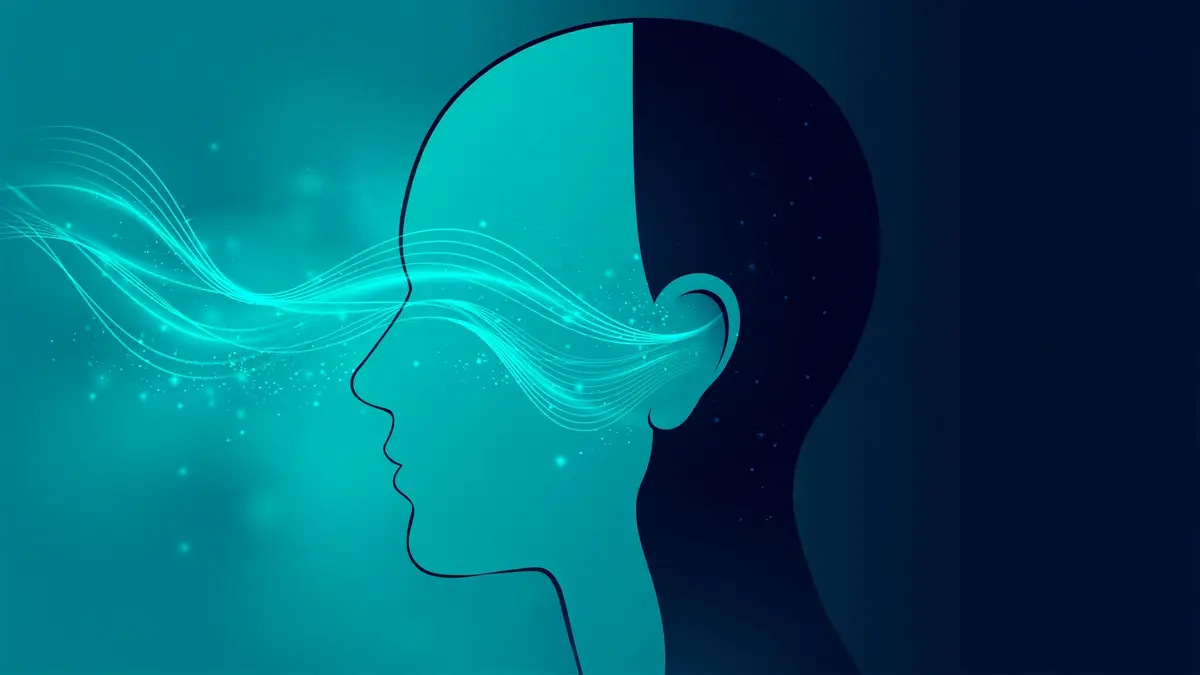
Your head physically blocks sound. High-frequency sounds like consonants do not bend around your skull well, so speech coming from your deaf side arrives at your good ear quieter and duller. This is called the head shadow effect, and it is the core problem every SSD solution tries to solve. In a quiet room, one on one, you manage. Add any background noise and the gap between what you hear and what you miss gets wide fast.
Noisy rooms become obstacle courses
Restaurants, family gatherings, open-plan offices: these are where SSD hurts most. With two working ears, your brain compares the timing and loudness of sound arriving at each ear to separate speech from noise and to tell where sounds come from. With one ear doing all the work, that comparison never happens. You end up exhausted after social events in a way that people with normal hearing do not understand. If any of this sounds familiar, it may be worth reading about the signs you might need hearing aids, because SSD counts even when one ear tests normally.
CROS Hearing Aids: The Most Common Starting Point
For most adults with single-sided deafness, the first solution an audiologist suggests is a CROS system. CROS stands for contralateral routing of signal, which is a complicated way of saying: pick up sound on the deaf side and send it to the good ear. It does not restore hearing in the bad ear. It makes sure you stop missing things that happen on that side.
How a CROS system actually works
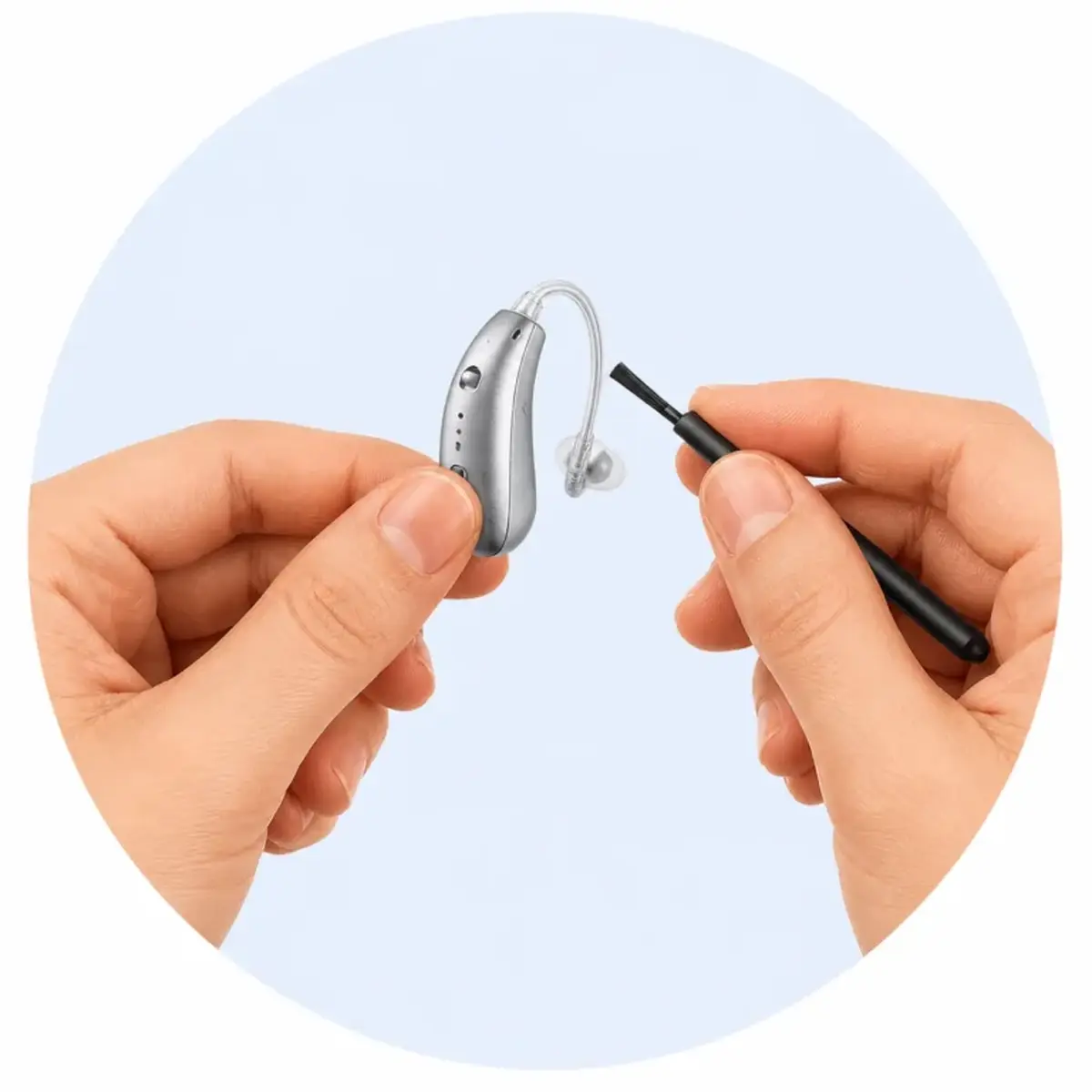
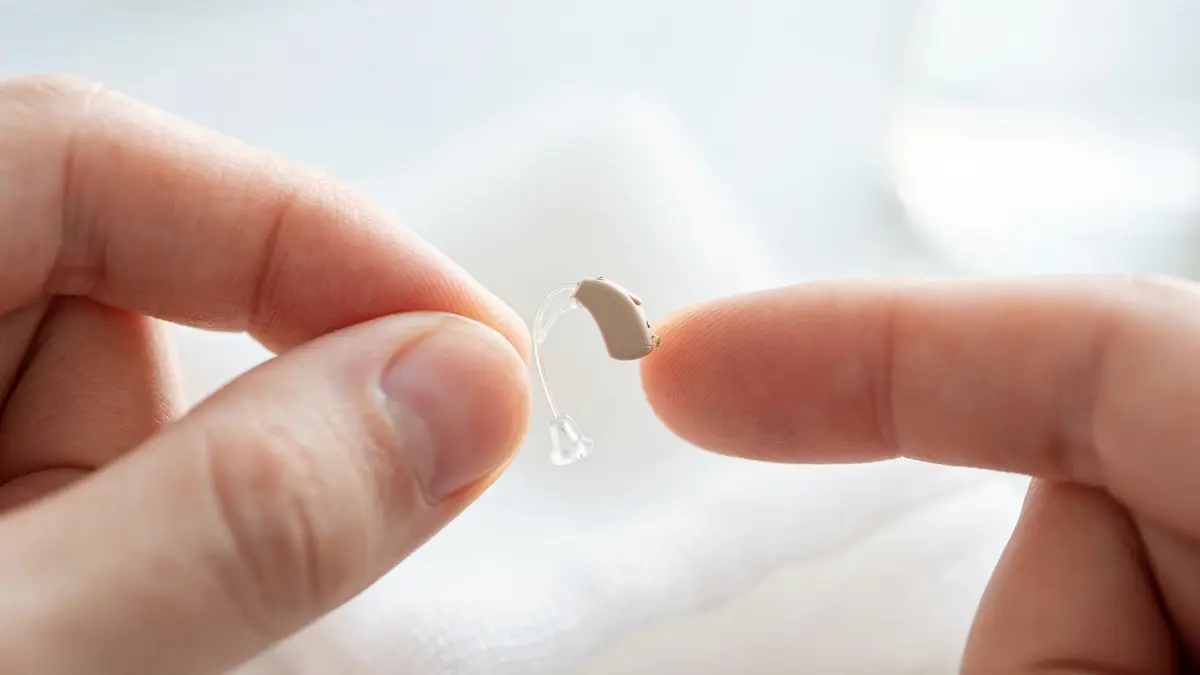
You wear two small devices that look like ordinary hearing aids. The one on your deaf ear is a transmitter, basically a microphone with a radio inside. It picks up sound from that side and streams it wirelessly to a receiver hearing aid worn on your good ear. When someone talks to you from your deaf side, their voice arrives at your good ear almost instantly. Modern systems do this with very little delay, and the transmitter is often rechargeable. Our guide to the main styles of hearing aids shows what these devices look like.
CROS vs. BiCROS: which one matches your hearing
The choice between CROS and BiCROS depends entirely on your better ear. If your good ear has normal hearing, you get a CROS: the receiver side simply plays the streamed sound without adding amplification. If your better ear also has some hearing loss, you get a BiCROS: the receiver is a real hearing aid that both amplifies sound for that ear and plays the streamed signal from the deaf side. Your audiogram decides this, so it helps to know how to read your audiogram before the appointment. Many people are surprised to learn their “good” ear is not perfect, which is exactly why both ears get tested.
Where CROS shines and where it falls short
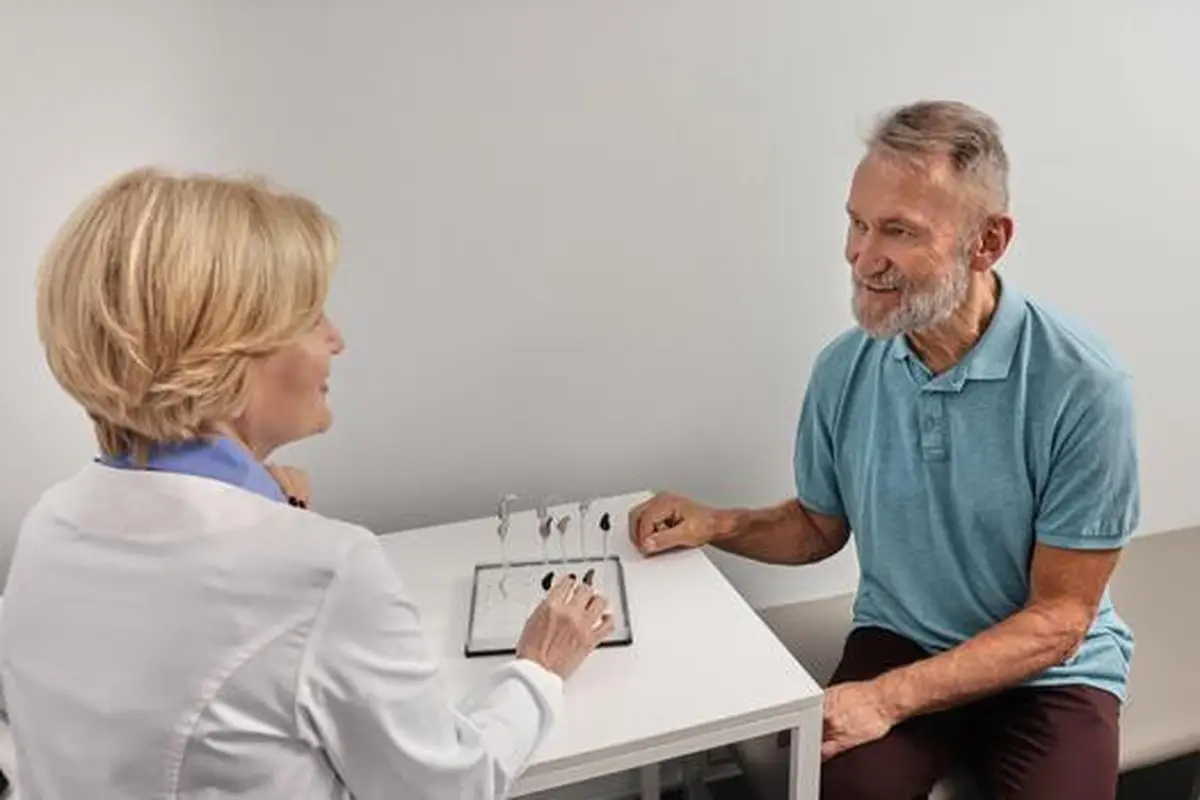
CROS is excellent at fixing the head shadow problem, and you will notice the difference the first day in the car or in meetings. What it cannot do is give you directional hearing: all sound still ends up in one ear, so locating sounds and noisy restaurants remain hard. A trial period matters, and knowing what a hearing aid fitting involves helps you get the programming adjusted instead of giving up in week one.
Bone Conduction: A Different Route to the Good Ear
Bone conduction devices solve the same head shadow problem through a completely different path: vibration through the skull. A small processor picks up sound on the deaf side and vibrates, and that vibration travels through your skull bone directly to the working cochlea on the good side. Nothing goes in your ear canal at all.
A soft headband is the usual starting point, especially for trying the technology before committing. Adhesive adapters stick the processor to the skin with no surgery, and for a permanent solution a small titanium implant can be placed in the bone behind the ear so the processor snaps on. People who cannot wear anything in the ear canal often prefer this route. The trade-off mirrors CROS: you hear the deaf side, but you do not get true two-ear hearing. Implanted options cost more, so check what hearing aids typically cost and your insurance coverage early.
Cochlear Implants for SSD: The Only Option That Restores Two-Ear Hearing
Here is what surprises most people: a cochlear implant can be an option even when one ear hears normally. Unlike CROS and bone conduction, which reroute sound to the good ear, an implant stimulates the auditory nerve on the deaf side directly, making it the only SSD treatment that can restore genuine input from both sides.
This is a bigger decision than a hearing aid: surgery, healing, and months of programming appointments while your brain learns the new signal, which often sounds robotic at first. For people who qualify, long-term speech understanding is strong, and candidacy criteria have widened. The FDA has cleared cochlear implants for single-sided deafness in adults.
Who tends to be a candidate
General candidacy usually includes severe to profound sensorineural loss in the affected ear, limited benefit from a hearing aid trial there, and a healthy auditory nerve. Your ENT and audiologist will order imaging and speech testing to decide. This is firmly “talk to your doctor” territory, and the National Institute on Deafness and Other Communication Disorders has clear background reading if you want to research first.
Setting Realistic Expectations
Every SSD option helps, and none gives you back the hearing you had before. CROS and bone conduction remove the head shadow, but noisy group conversations still take effort and you still will not pinpoint sound direction. A cochlear implant gets closer to true two-ear hearing but demands surgery, patience, and months of rehabilitation.
The people who do best trial a device in real life, return for adjustments instead of abandoning it, and give their brain weeks to adapt. Bring your hardest listening situations to the fitting, and bring the questions worth asking before you buy so cost, trial periods, and return policies are clear up front.
Frequently Asked Questions
Will a regular hearing aid help my deaf ear?
Usually not. If the loss is severe to profound or word recognition is very poor, amplifying that ear just makes things louder without making them clearer. That is exactly why CROS, bone conduction, and cochlear implants exist: they work around the unaidable ear instead of trying to fix it.
Can I just wear one hearing aid in my good ear?
If your good ear has normal hearing, a hearing aid there does nothing useful. If your good ear has some loss, a single hearing aid (or the receiver side of a BiCROS) helps that ear, but it does nothing about the head shadow on your deaf side. The deaf side still needs its own solution.
Is a CROS system covered by insurance?
Sometimes, but coverage is patchy. Some private plans cover CROS/BiCROS systems under durable medical equipment, Medicare generally does not cover hearing aids, and coverage for bone-anchored devices or cochlear implants follows different rules. Always get the specific billing codes from your provider and check with your insurer before ordering.
How long does it take to adjust to a CROS or bone conduction device?
Most people notice the head shadow benefit immediately, but full adjustment takes a few weeks. Your brain needs time to get used to hearing your deaf side through your good ear, and the programming usually needs one or two fine-tuning visits. If something sounds wrong, go back for adjustments rather than putting the device in a drawer.
Will a cochlear implant make my deaf ear hear normally again?
No. A cochlear implant provides useful sound perception and, with rehabilitation, often good speech understanding, but the sound is processed electronically and differs from natural hearing. What it alone offers is genuine input from the deaf side, including better performance in noise and some sound localization.
The Bottom Line
Single-sided deafness is not “half a hearing problem.” CROS and BiCROS systems are the most common fix for the head shadow effect. Bone conduction offers a no-ear-canal alternative in surgical and non-surgical versions. A cochlear implant is the one option that can restore true input from the deaf side for those who qualify. Get both ears tested, trial a solution in your real life, and choose based on your hardest listening situations. Your good ear has carried the load alone long enough.