

You wake up and something is wrong. One ear feels stuffed, like it needs to pop. You yawn hard, shake your head, try to clear it. By lunchtime you realize you can barely hear the phone on that side.
Most people assume earwax or sinuses and decide to wait it out. That decision can cost them their hearing permanently. Sudden sensorineural hearing loss is one of the few true emergencies in hearing health care, and the clock starts the moment it happens. If this is happening to you right now, skip ahead to the emergency section and act first.
What Sudden Hearing Loss Actually Is
Sudden sensorineural hearing loss (SSNHL) is a rapid loss, usually in one ear, that doctors define as a drop of at least 30 decibels across three neighboring frequencies within 72 hours. Most people notice it far faster than that: hours, sometimes minutes.
It differs from gradual age-related loss and from conductive problems like wax or middle ear fluid, which block sound from getting in. In SSNHL the inner ear or auditory nerve is involved: sound arrives fine, but the signal never reaches the brain properly. Ringing, a feeling of fullness, and sometimes dizziness often come with it. There is usually no pain, which is exactly why people underestimate it.
Why This Is a Medical Emergency
The sentence that matters most in this article: if you lose hearing suddenly in one ear, get evaluated the same day, ideally within hours. Do not wait to see if it improves. Call your doctor now, go to urgent care, or see an ENT immediately.
The treatment window is short
The main treatment is corticosteroids, which calm inflammation in the inner ear. They work best started within days of onset, and the odds of recovery fall the longer you wait. After a few weeks the chance steroids help drops sharply; after a month or more the loss is often permanent. Think of it like a stroke for the ear. Inner ear structures do not regenerate the way skin or bone does.
What “wait and see” risks
Some people do recover a portion of hearing without treatment, but you cannot know in advance if you will be one of them. Waiting gambles your hearing on those odds while the treatment window closes. The people who recover best are overwhelmingly the ones who got steroids early. Sudden loss can also occasionally signal something else needing attention, and only a proper workup sorts that out.
What Causes It
In the large majority of cases, doctors never find a definite cause. That is called idiopathic SSNHL, and it covers most patients. Leading theories and confirmed causes in the minority include:
- Viral infection: A virus may inflame the auditory nerve or inner ear, the most commonly suspected mechanism.
- Blood flow disruption: The inner ear runs on tiny blood vessels. Even brief disruption can damage the cochlea’s delicate hair cells.
- Autoimmune reaction: The immune system mistakenly attacks inner ear tissue, more likely with bilateral loss or autoimmune symptoms.
- Membrane rupture: Extreme pressure changes, head trauma, or intense noise can physically damage inner ear membranes.
- Neurological causes: Rarely, growths on the hearing nerve or related conditions, one reason doctors investigate promptly.
Earwax and aging are not on this list. If the loss is truly sensorineural, home remedies will not fix it. Our overview of types of hearing loss explains how doctors distinguish the categories.
How Doctors Diagnose It
Diagnosis starts by ruling out the simple stuff: a look in the ear for wax or infection. If the ear is clear, next is a hearing test, ideally the same day. The audiogram shows exactly how much hearing was lost and at which pitches, and confirms the loss is sensorineural rather than conductive. A tuning fork test at the bedside can give an early read on this distinction before the full audiogram. Our guide on how to read an audiogram explains what those charts mean.
The ENT may also order an MRI to rule out structural causes, plus blood work if an autoimmune or infectious cause is suspected. None of this should delay steroids. Treatment usually starts from the hearing test while the rest of the workup runs in parallel.
How It Is Treated
Corticosteroids first
Oral steroids, usually prednisone, are the standard first treatment: typically one to two weeks at a high dose, then a taper. Your doctor weighs the benefit against side effects like trouble sleeping, appetite changes, and temporary blood sugar rises.
Steroid injections into the ear
If oral steroids do not recover enough hearing, or a patient cannot take them for other health reasons, the next step is often intratympanic injections: steroid delivered through the eardrum into the middle ear, where it diffuses inward. Done in the office with numbing in minutes, it delivers a far higher local dose with fewer whole-body side effects.
Do not chase unproven cures in the window
Hyperbaric oxygen is sometimes added alongside steroids, with mixed evidence and limited availability. What you should not do is spend the critical early days on unproven supplements or alternative cures. Every day on those is a day lost from treatments with actual evidence.
If the Hearing Does Not Come Back
Not everyone recovers fully, even with prompt treatment. Once the medical options are exhausted and the loss is stable, usually after a few months, rehabilitation enters the picture.
Hearing aids for residual loss
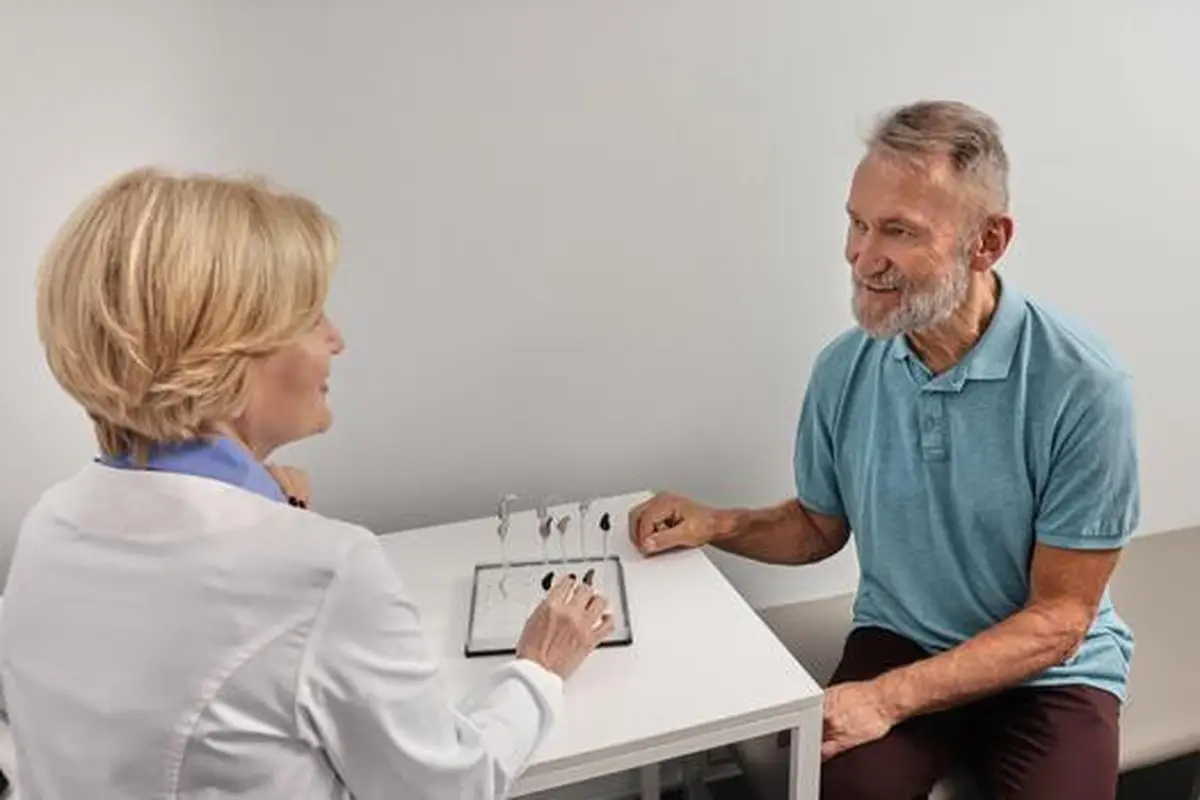
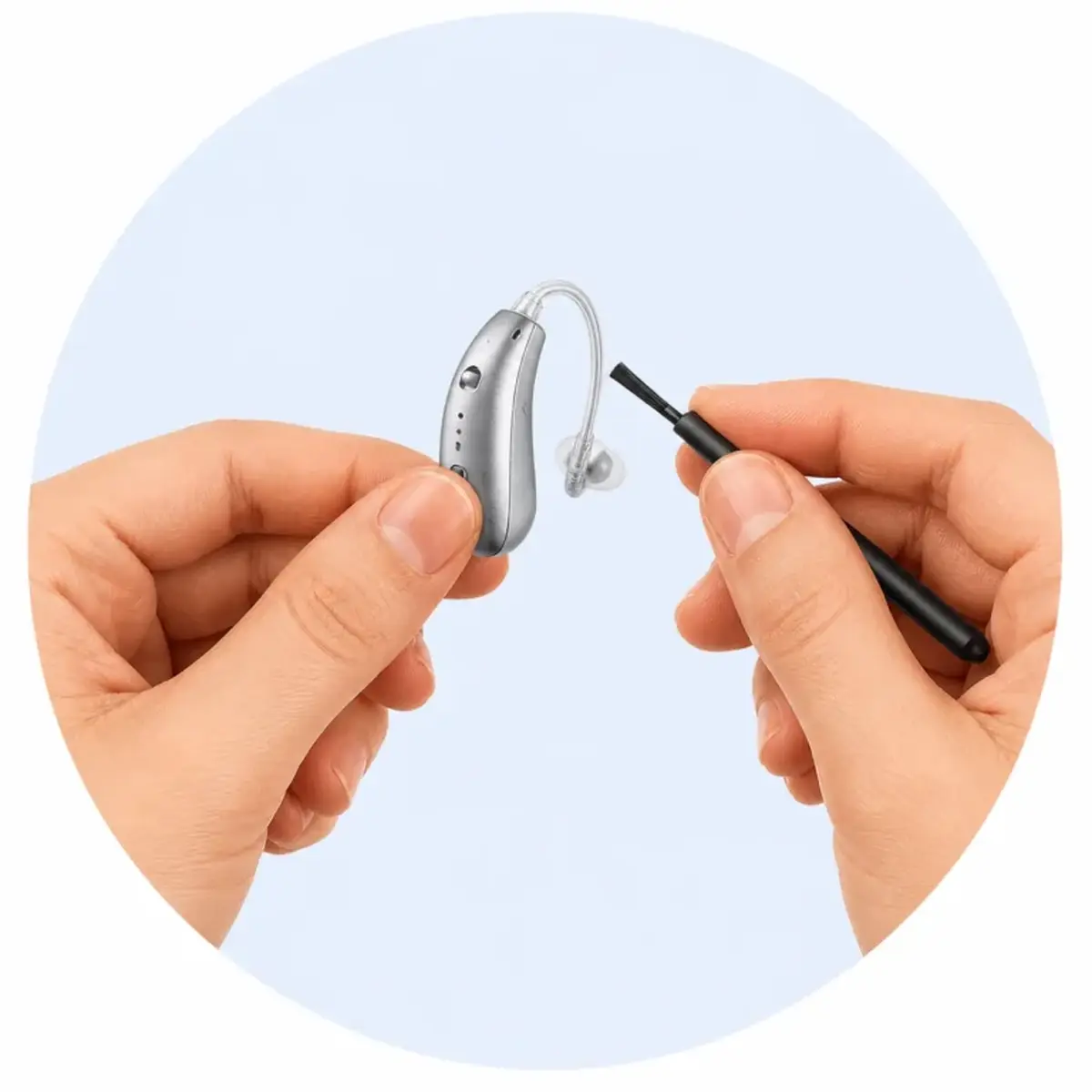
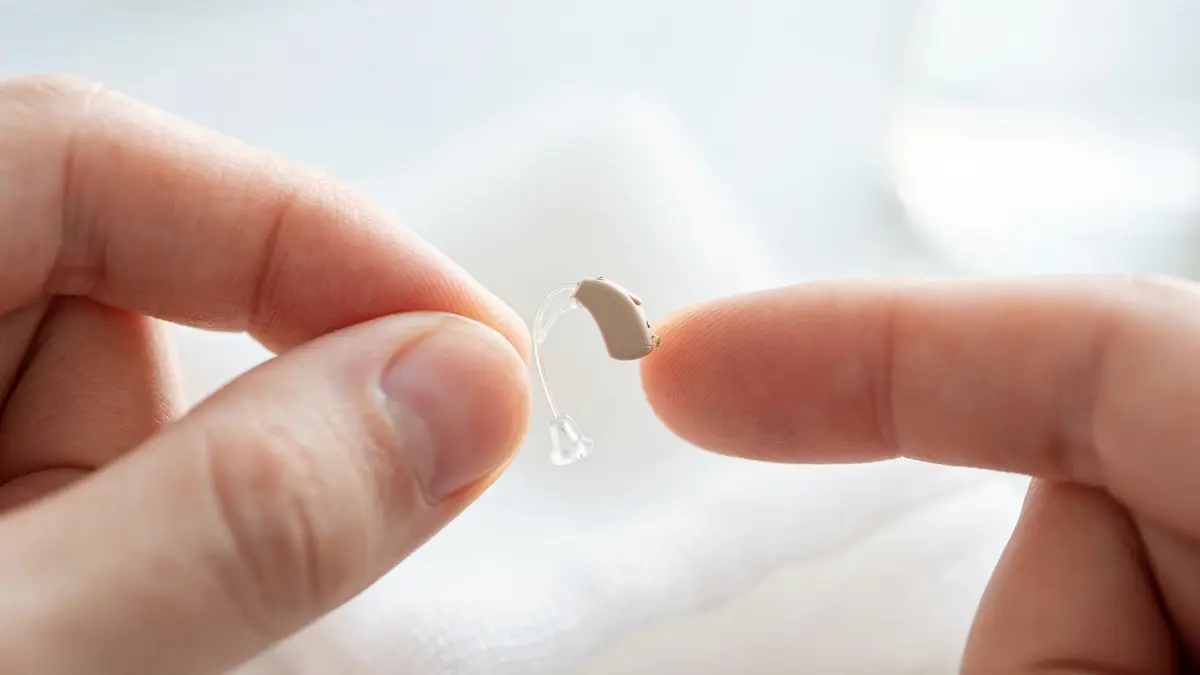
A hearing aid for the affected ear can help you make the most of remaining hearing, programmed precisely to your new audiogram. If one ear is left profoundly deaf, a CROS system may route sound from that side to the better ear. Our explainer on types of hearing aids covers the options plainly.
Protect the good ear
People who lose hearing on one side rightly become protective of the other. Avoid loud noise, wear protection at concerts or with power tools, and get checked regularly. If you notice gradual changes in your better ear, read up on the signs you need hearing aids so you catch things early next time.
The National Institute on Deafness and Other Communication Disorders keeps a detailed sudden deafness page at nidcd.nih.gov/health/sudden-deafness, with broader resources at nidcd.nih.gov.
Frequently Asked Questions
How quickly do I need to see a doctor?
Same day. Call your doctor, an ENT office, or urgent care immediately and say the words “sudden hearing loss in one ear” so they grasp the urgency.
Can it go away on its own?
Sometimes partially. But there is no way to predict who recovers, and waiting forfeits the window when steroids work best. Prompt treatment is always the safe move.
Is it always just one ear?
Almost always. Sudden loss in both ears at once is uncommon and should be evaluated even more urgently, since it suggests systemic or neurological causes.
Will I need a hearing aid afterward?
Only if the loss does not substantially recover. Many people regain enough hearing with early steroids to get by without one. If a permanent deficit remains, an aid fitted to your new levels is the usual next step.
Can earwax cause sudden hearing loss?
Impacted wax can cause a sudden-feeling drop in hearing, but it is a conductive problem, not SSNHL, and a doctor can spot and fix it in minutes. That is exactly why the first step of any workup is looking in the ear. Never try to dig wax out yourself when hearing drops suddenly. You risk injuring the eardrum and you lose time if the real cause is sensorineural.
Should I go to the emergency room?
If you cannot reach an ENT or get a same-day appointment elsewhere, yes. Being evaluated and starting treatment quickly is what matters. An ER visit for sudden hearing loss is not an overreaction.
The Bottom Line
Sudden hearing loss in one ear is a medical emergency until proven otherwise. The cause is usually never found, the treatment is steroids started fast, and the gap between acting today and waiting a week can be the gap between recovery and permanent loss. If it is happening right now, stop reading and call a doctor. Everything else can wait. The window cannot.