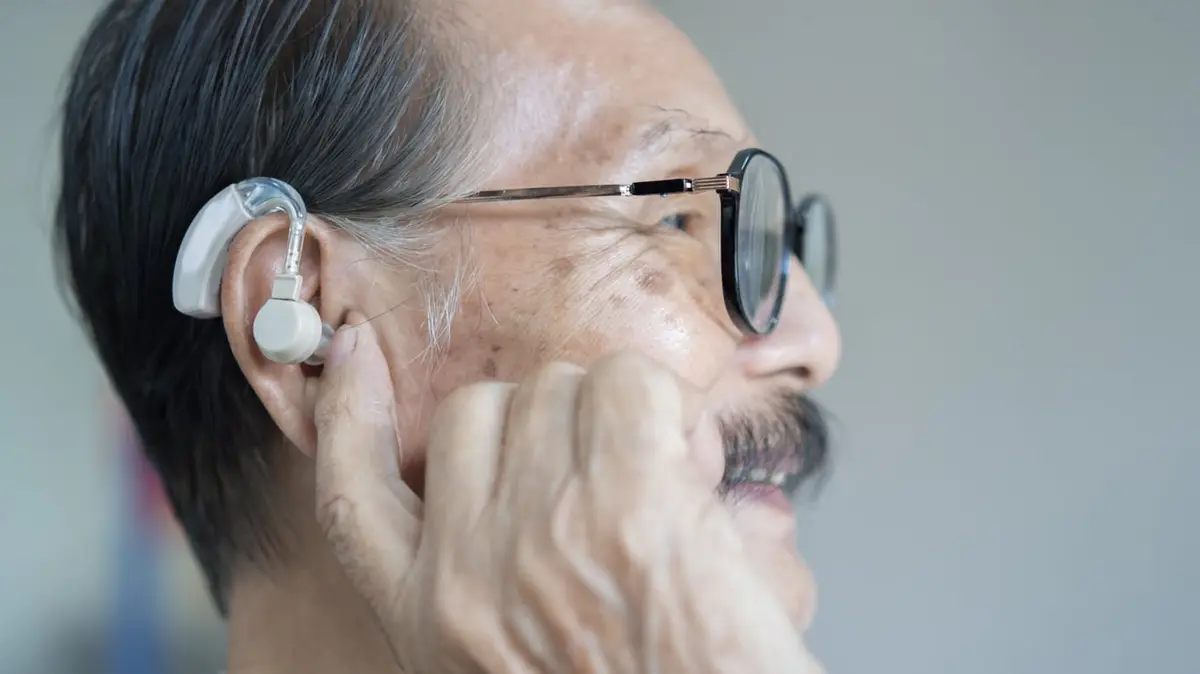


Your hearing aid just died, started crackling, or went silent in one ear. Now comes the stressful question: how much is this going to cost me? Hearing aid repair pricing is one of the least transparent corners of the hearing industry, and I have seen people quoted $50 and $500 for the same problem.
Let me give you the honest numbers for 2026, what drives the price up or down, when a repair makes sense versus replacement, and how to avoid getting overcharged.
Average Hearing Aid Repair Costs in 2026
For a straightforward out-of-warranty repair sent to the manufacturer, expect $150 to $400 per hearing aid. That is the most common range for a standard repair through your provider. In-warranty repairs are typically free, though some providers charge a small handling or shipping fee of $25 to $50.
Here is a more detailed breakdown by repair type:
Minor in-office repairs: $0 to $75
Many common problems can be fixed on the spot in your provider’s office: replacing a wax guard, changing a dome or ear tip, replacing tubing on BTE models, cleaning out debris, or reprogramming the device. Many providers do these for free, especially if you bought the hearing aids from them. If you did not, expect a modest office visit fee.
Manufacturer repairs: $150 to $400
When the problem is internal, a cracked case, a dead receiver, a failed microphone, or water damage, the hearing aid usually goes back to the manufacturer. Most manufacturers charge a flat-rate repair fee regardless of the specific fault, which is why the range clusters around $150 to $400. The repair typically includes a full refurbishment: new outer shell components, fresh seals, and testing.
Receiver/speaker replacement: $75 to $200
On receiver-in-canal (RIC) models, the receiver is the part most likely to fail, and it is designed to be replaceable. Many providers stock receivers and can swap one in minutes. This is one of the most common and affordable repairs. If your aid suddenly went quiet, a dead receiver is the prime suspect, and our hearing aid troubleshooting guide walks through how to confirm this before paying for a repair.
What Affects the Repair Price?
Warranty status
This is the single biggest factor. Most new hearing aids come with a 1 to 3-year manufacturer warranty covering defects and failures. Repairs during the warranty period are free. Once the warranty expires, you pay the full flat rate. Some providers sell extended warranty plans, which can be worth it for premium devices.
Age of the hearing aid
Manufacturers generally support repairs for about 5 to 7 years after a model is discontinued. After that, parts become scarce and the manufacturer may refuse the repair entirely. This is one reason hearing aids typically last 5 to 7 years: it is not just that they wear out, it is that the repair ecosystem moves on.
Type of hearing aid
Custom in-the-ear models can cost more to repair because the shell itself may need remaking. Standard BTE and RIC models are usually cheapest to service because parts are modular. Tiny completely-in-canal devices are fiddly to work on, which can push labor costs up.
Where you get it repaired
Your original provider, the manufacturer, and independent repair labs all price differently. Manufacturer flat rates are predictable. Independent labs sometimes undercut manufacturer pricing, but make sure any third-party repair does not void a remaining warranty.
Repair vs Replace: How to Decide
This is the question I get most, and there is a practical rule of thumb. If the repair costs more than about half the price of a current equivalent model, replacement usually makes more sense. A $350 repair on a 6-year-old hearing aid with outdated technology is poor value when new devices offer meaningfully better noise performance and connectivity.
Repair makes sense when the hearing aid is less than 3 to 4 years old, the technology still meets your needs, and the repair cost is modest. It also makes sense as a bridge: repairing your current pair to use as backups while you shop for new ones is a smart move many people overlook.
Replacement makes sense when the aids are 5+ years old, you have had multiple recent repairs, the model is discontinued and parts are scarce, or your hearing has changed and the old devices can no longer be programmed to your current needs. If you are unsure, reviewing the current types of hearing aids will show you how much the technology has moved since you bought yours.
Common Problems and What They Usually Cost
No sound at all
Often a dead battery, clogged wax guard, or failed receiver. In-office fix: $0 to $75. Manufacturer repair if internal: $150 to $400. Before assuming the worst, run through basic troubleshooting steps for a hearing aid that stopped working, because a surprising number of “dead” aids just need a fresh wax guard.
Whistling or feedback
Usually a fit issue, earwax buildup, or a cracked earmold rather than a true repair. Often fixed free in-office with a refit or new dome. See our guide to hearing aid whistling causes and fixes before paying for anything.
Crackling or intermittent sound
Often a failing receiver or moisture damage. Receiver replacement: $75 to $200. Full manufacturer repair if the circuit is damaged: $150 to $400.
Physical damage: cracked case, broken battery door
Battery doors are cheap parts, often under $25. Cracked shells usually mean a manufacturer repair at the standard flat rate.
Water or sweat damage
This is the bad one. Corrosion can kill a hearing aid beyond economical repair. If the manufacturer will still service it, expect the top of the flat-rate range. Prevention is everything here, which brings us to maintenance.
How to Avoid Repairs in the First Place
Most hearing aid repairs I have read about trace back to three things: earwax, moisture, and physical drops. All three are largely preventable.
Clean your hearing aids every day. Wipe them down, brush the microphone ports, and change wax guards on schedule. Our guide on how to clean hearing aids covers the full routine, and following it genuinely extends the life of your devices.
Manage moisture aggressively. If you sweat a lot or live in a humid climate, use a hearing aid dehumidifier or drying box nightly. These cost $30 to $100 and pay for themselves by preventing a single corrosion repair. Never wear hearing aids swimming, and take them out before showering.
Handle them over a soft surface. Most physical damage happens when an aid slips from someone’s fingers onto a tile floor while being inserted or removed. Do your morning routine over a towel or carpet.
How to Avoid Overpaying for Repairs
First, check your warranty before agreeing to anything. Dig out your original paperwork or call the provider you bought from. People pay for repairs that were covered more often than you would think.
Second, get the diagnosis in writing. Ask what specifically failed and whether it is a modular part (cheap) or a circuit-level failure (expensive). A provider who cannot explain the fault is a provider to be cautious about.
Third, compare the repair quote against replacement. Ask your provider for the honest math: repair cost plus remaining expected life versus the cost of new devices with a fresh warranty. A trustworthy provider will do this calculation with you.
Finally, check whether your hearing aids are still under a loss-and-damage or extended service plan you may have forgotten about. Some premium bundles include these for the first couple of years.
What About DIY Repair?
For user-serviceable parts, DIY is fine and expected: changing batteries, swapping wax guards and domes, replacing tubing, and cleaning. These are maintenance, not repair, and your provider should have shown you how.
For anything involving opening the case, soldering, or the internal electronics, do not attempt it yourself. You will void any remaining warranty, and modern hearing aids are sealed precision devices. The FDA classifies hearing aids as medical devices for good reason: botched internal repairs can leave you with a device that looks fine but is programmed or performing incorrectly.
The Bottom Line
Budget $150 to $400 for a typical out-of-warranty manufacturer repair, and $0 to $75 for common in-office fixes. Check your warranty first, maintain your devices to prevent the most common failures, and apply the half-price rule when deciding between repair and replacement.
If your devices are aging out and repairs are stacking up, it may be worth pricing new technology rather than sinking more money into old aids. The NIDCD’s hearing aid overview is a solid neutral reference on what modern devices offer, and medicare.gov clarifies what Original Medicare does and does not cover for hearing care.
FAQs
How much does it cost to repair a hearing aid out of warranty?
Typically $150 to $400 per hearing aid for a manufacturer flat-rate repair. Minor in-office fixes like wax guard or dome replacement often cost $0 to $75. Receiver replacements on RIC models usually run $75 to $200.
Are hearing aid repairs covered under warranty?
Most new hearing aids include a 1 to 3-year manufacturer warranty covering defects and failures, and repairs during that period are usually free. Damage from loss, misuse, or water exposure may not be covered. Always check your specific warranty terms before paying for a repair.
Is it worth repairing a 5-year-old hearing aid?
Often not. At 5+ years, technology has moved on, parts availability shrinks, and another failure may be around the corner. If the repair costs more than half the price of a comparable new model, replacement is usually the smarter financial move. An exception: a cheap repair to keep old aids as backups.
Can I repair my hearing aid myself?
You can and should handle routine maintenance yourself: batteries, wax guards, domes, tubing, and cleaning. Do not open the casing or attempt internal electronic repairs. DIY internal work voids warranties and risks leaving the device performing incorrectly.
How long does a hearing aid repair take?
In-office repairs are often done same-day or within a few days. Manufacturer repairs typically take 1 to 2 weeks including shipping both ways, though some providers offer loaner hearing aids during the wait. Ask your provider about loaners before sending your aids off.