
You put in a fresh battery on Monday. By Wednesday the aid is beeping its low-battery warning. The package promised a week or more, so what gives? Fast battery drain is one of the most common hearing aid complaints, and the frustrating part is that it is rarely just one thing. It is usually a combination of small, fixable habits.
This guide walks through every common cause in order of likelihood, with the fix for each. Start at the top and work down.
1. Heavy Bluetooth Streaming
Let us start with the big one. Streaming audio, phone calls, music, TV sound through a streamer, is the single hungriest activity a hearing aid performs. The Bluetooth radio working continuously can easily cut battery life in half compared to non-streaming use.
This is not a defect. It is physics. If you stream several hours a day and your size 312 batteries last four or five days instead of eight, that is simply the price of wireless audio. The fix is expectation management plus mitigation: lower streaming volume slightly, use a dedicated TV streamer (often more efficient than phone Bluetooth), and consider whether a rechargeable model suits your lifestyle better. Our rechargeable vs disposable guide compares the two systems honestly.
2. Skipping the Activation Wait
Zinc-air batteries need air to work. When you peel the colored tab, oxygen flows in and starts the chemical reaction. If you pop the battery straight into the aid, the aid starts drawing power before the chemistry is fully awake, and you lose capacity you will never get back.
The fix is free and takes sixty seconds: peel the tab, wait one full minute, then insert. Make it a ritual. Peel, set the battery down, do something else for a minute, then insert. Many people who adopt this one habit see noticeably better life from every cell. Our battery sizes guide explains the chemistry in more detail.
3. The Aid Never Fully Powers Down
Here is a quiet battery killer: the aid is never actually off. If you take your aids out and toss them in a case with the battery doors closed, many models keep sipping power. Overnight, that adds up to hours of wasted drain, every single night.
The fix: open the battery door fully every time you remove the aids. This is the true off switch on most disposable-battery models, and it also lets moisture escape from the compartment. Make it part of your evening cleaning routine and the problem disappears.
4. Old or Badly Stored Batteries
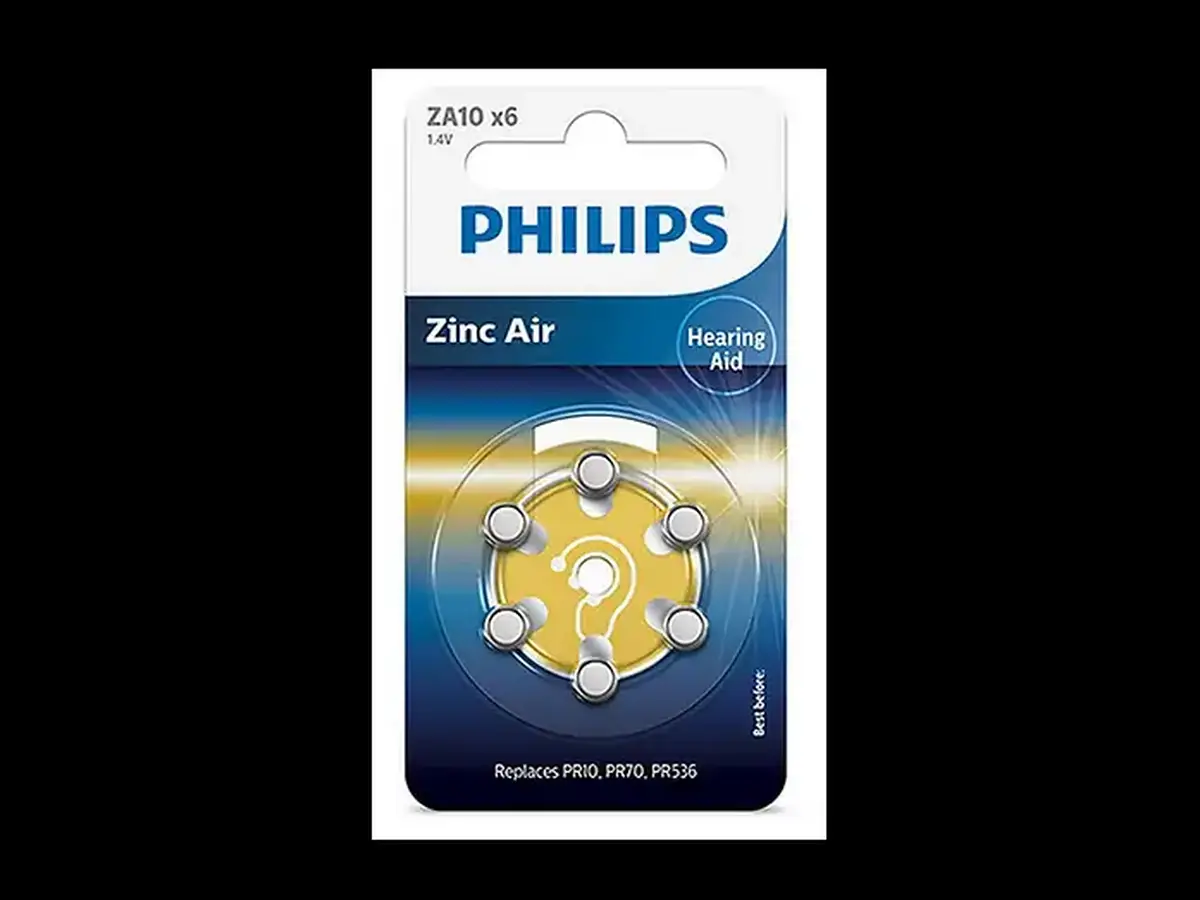
Batteries have a shelf life, typically around three years from manufacture, and they degrade faster in heat. That bargain multi-year supply baking in a hot garage is not the deal it seemed. Check the date printed on every card.
Storage matters too. Batteries rolling loose in a drawer can short against coins or keys. Cards left in a car or a steamy bathroom lose capacity. Keep them sealed in their packaging, at room temperature, in a dry spot. And buy in reasonable quantities. Fresh cells from the store outperform three-year-old stockpile cells every time. Battery makers like Energizer recommend the same room-temperature, sealed storage.
5. Moisture in the Battery Compartment
Sweat, humidity, and condensation do not just threaten the electronics. Moisture in the battery compartment interferes with the battery’s air supply and electrical contact, and the cell dies early. This is a prime suspect if your batteries drain fast in summer or after workouts.
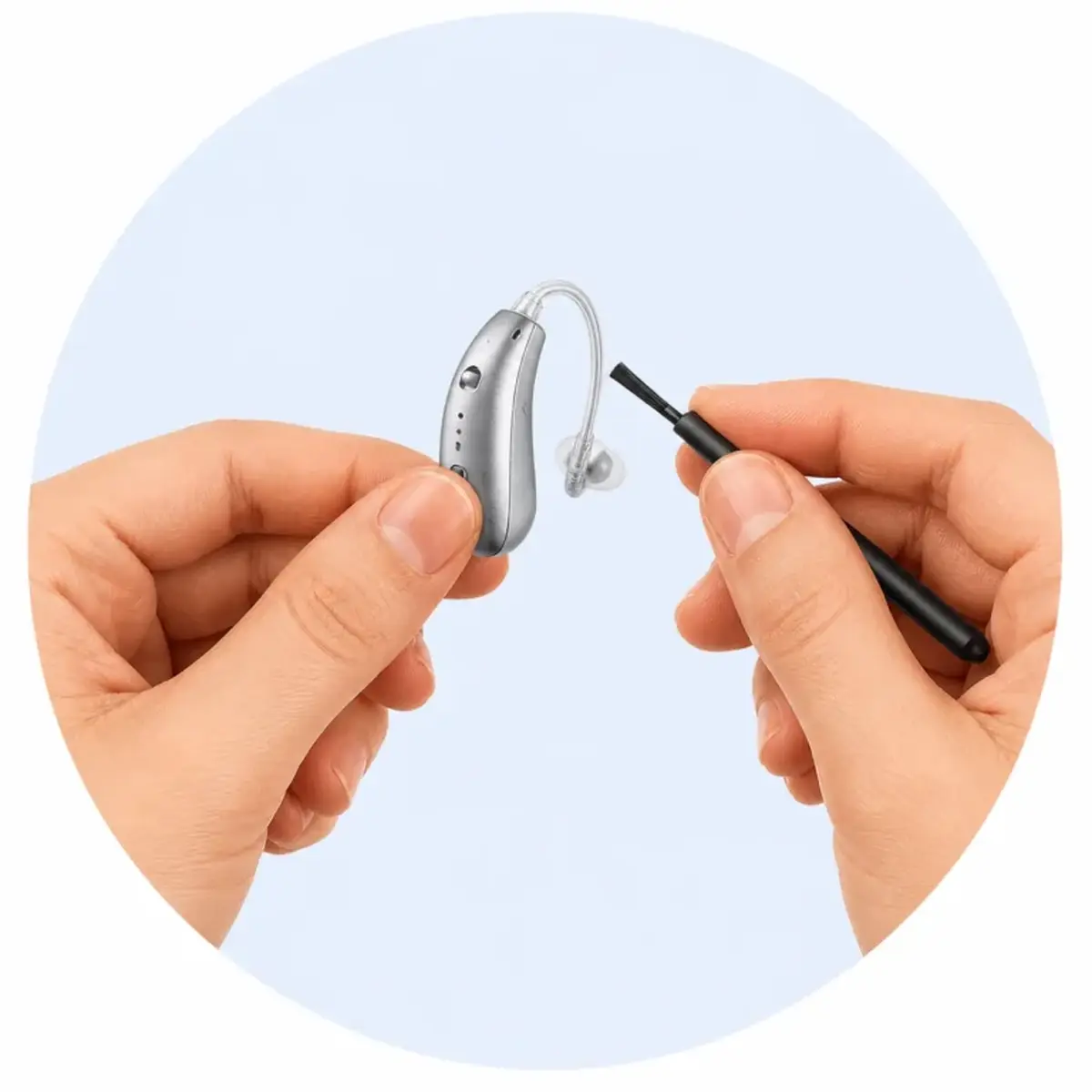
The fix is the same routine that protects the aid itself: open the battery door nightly, wipe the compartment with a dry cloth, and consider a drying case or dehumidifier. If you see any corrosion (greenish or white crust) on the contacts, have your provider clean it professionally. Never scrape contacts with anything sharp.
6. Cold Weather
Zinc-air chemistry slows down in the cold. Batteries carried in an outer pocket or left in a cold car deliver less power, and the aid may report them dead when they still have life left. The effect is temporary and reverses with warmth.
Keep spare batteries in an inside pocket close to your body in winter. If an aid “dies” in the cold, warming the battery in your closed hand for a minute sometimes revives it. This is normal chemistry, not a faulty aid.
7. Higher Power Needs Than You Think
Two people can wear the same model and get very different battery life. The person with severe loss needs more amplification, which means more power draw, all day long. Aggressive noise reduction and feedback cancellation settings also sip extra current.
There is no fix for needing the power you need. But it helps to know your “normal.” If your loss is severe and you stream daily, the low end of the published battery life ranges is your realistic expectation, not the high end.
8. A Weak Cell in the Pack
Manufacturing is good but not perfect. Occasionally a single battery in a card is simply weak. If one cell dies dramatically faster than its siblings from the same pack, it was probably a dud. Note the pattern: random single failures point to the battery, consistent failures point to the aid or your habits.
A useful test: when one side dies early, swap the batteries between your two aids. If the short life follows the battery to the other ear, the cell was weak. If the same aid keeps killing batteries, the aid needs attention.
9. The Aid Itself Has a Problem
If you have fixed the habits, used fresh stock, and batteries still die in a day or two, the hearing aid may have an internal fault drawing excess current. Moisture damage to the circuitry is a common cause. So is a damaged battery contact creating a partial short.
At this point, stop buying batteries and see your provider. Describe the pattern: which size, how long they last, when it started. A provider can measure the aid’s current draw and tell you quickly whether it is in spec. The FDA advises consulting your hearing healthcare professional when devices do not perform as expected. If the aid is aging, our guide to hearing aid lifespans can help you decide between repair and replacement.
Quick Recap: The Five-Minute Audit
If your batteries are draining too fast, run this checklist in order:
- Am I streaming hours of Bluetooth audio daily? (Biggest single factor.)
- Do I wait a full minute after peeling the tab?
- Do I open the battery door every night?
- Are my batteries fresh, brand-name or store-brand, stored at room temperature?
- Is there moisture or corrosion in the battery compartment?
Most fast-drain cases are solved by the first three items. Work through them honestly before assuming anything is broken.
Frequently Asked Questions
Should I take the batteries out every night instead of just opening the door?
Opening the door is enough for most aids. It breaks the circuit and airs out the compartment. Fully removing the cells is only necessary if the compartment needs thorough drying or you will not wear the aids for several days.
Do store-brand batteries drain faster than name brands?
No. All hearing aid batteries follow the same standard, and independent testing shows little difference between reputable brands. Freshness and proper activation matter far more than the logo on the card.
My rechargeable aid is losing charge faster than it used to. Is that the same issue?
Not quite. Rechargeable lithium-ion cells naturally lose capacity over three to five years. If your aid is older and runtime has clearly shrunk, the built-in battery is aging. Your provider can advise on replacement options.
Can a bad charger cause fast drain in disposable-battery aids?
Disposable-battery aids do not use chargers, so no. But if you use a drying case, make sure it is not getting hot enough to warm the batteries excessively, which can shorten their life.
Is it safe to keep spare batteries in my pocket?
Yes, with one caution: keep them in their sealed packaging or a dedicated battery holder. Loose cells can short against keys or coins, and more importantly, loose batteries are easier to lose track of around children and pets. Swallowed button batteries are a medical emergency, so sealed storage is a safety habit, not just a performance one.
Fast battery drain feels like a mystery, but it almost always has a mundane explanation: streaming, skipped activation, an aid that never sleeps, or tired stock. Fix the habits first, and you will likely get your expected week or more back. If the drain persists after all of that, let a professional measure what the aid is actually drawing. And for the full picture of what normal looks like, revisit our battery life chart.