

Here is what nobody tells you before your fitting: the day you get hearing aids is not the day you hear perfectly. It is day one of an adjustment period. Your brain has spent years, sometimes decades, living without certain sounds. Suddenly restoring them is disorienting. Your own voice sounds like you are talking in a barrel. The refrigerator hums like a jet. Dishes clatter like gunshots.
This is normal. Every experienced wearer went through it. The adjustment period typically lasts two to six weeks, with the first 30 days being the critical window. This guide tells you what each phase feels like, what to do, and when to call your provider instead of toughing it out.
Why Adjustment Is Necessary
Hearing loss does not just make sounds quieter. It changes how your brain processes sound. Over time, your auditory system adapts to receiving less input, effectively turning down its own sensitivity. When hearing aids suddenly restore the missing sounds, your brain needs time to recalibrate. Researchers call this acclimatization, and it is a genuine neurological process, not a matter of willpower.
This is also why providers often program first-time wearers slightly below full prescription and increase amplification gradually over follow-up visits. Throwing full volume at an unadjusted brain is overwhelming. The ramp-up respects how your auditory system actually relearns. The NIDCD emphasizes that follow-up care and gradual adjustment are central to hearing aid success, a point echoed in ASHA’s guidance for new hearing aid users.
Week 1: Everything Sounds Wrong
The first week is the strangest. Expect your own voice to sound hollow, booming, or echoey. This is the famous “occlusion effect,” and it fades as your brain adjusts and as your provider fine-tunes the fit. Background sounds you have not heard in years, the turn signal clicking, the air conditioner humming, paper rustling, will seem absurdly loud. They are not actually loud. Your brain has simply forgotten how to filter them into the background.
What to do this week: wear the aids consistently during waking hours. Consistency is the single biggest predictor of successful adjustment. Your brain cannot recalibrate to sound it only hears two hours a day. Start in quieter environments if the world feels overwhelming, quiet rooms and one-on-one conversations, before tackling noisy restaurants. And resist the urge to constantly fiddle with the volume. Let the programmed settings do their job while your brain catches up.
Week 2: The World Gets Less Weird
Around the second week, most wearers notice the strangeness fading. Your voice starts sounding like you again. Background noises recede into the scenery where they belong. You begin noticing benefits: catching words you used to miss, not asking people to repeat themselves, hearing the grandkids from the next room.
This is also when specific annoyances become clear enough to describe. Maybe wind noise bothers you outdoors. Maybe one program sounds tinny. Write these down. Vague complaints are hard to fix; specific ones are easy. “The aids whistle when I hug someone” gives your provider something concrete to adjust. This notes list becomes gold at your follow-up appointment, which ideally falls around now.
Weeks 3 to 4: Fine-Tuning and Real Life
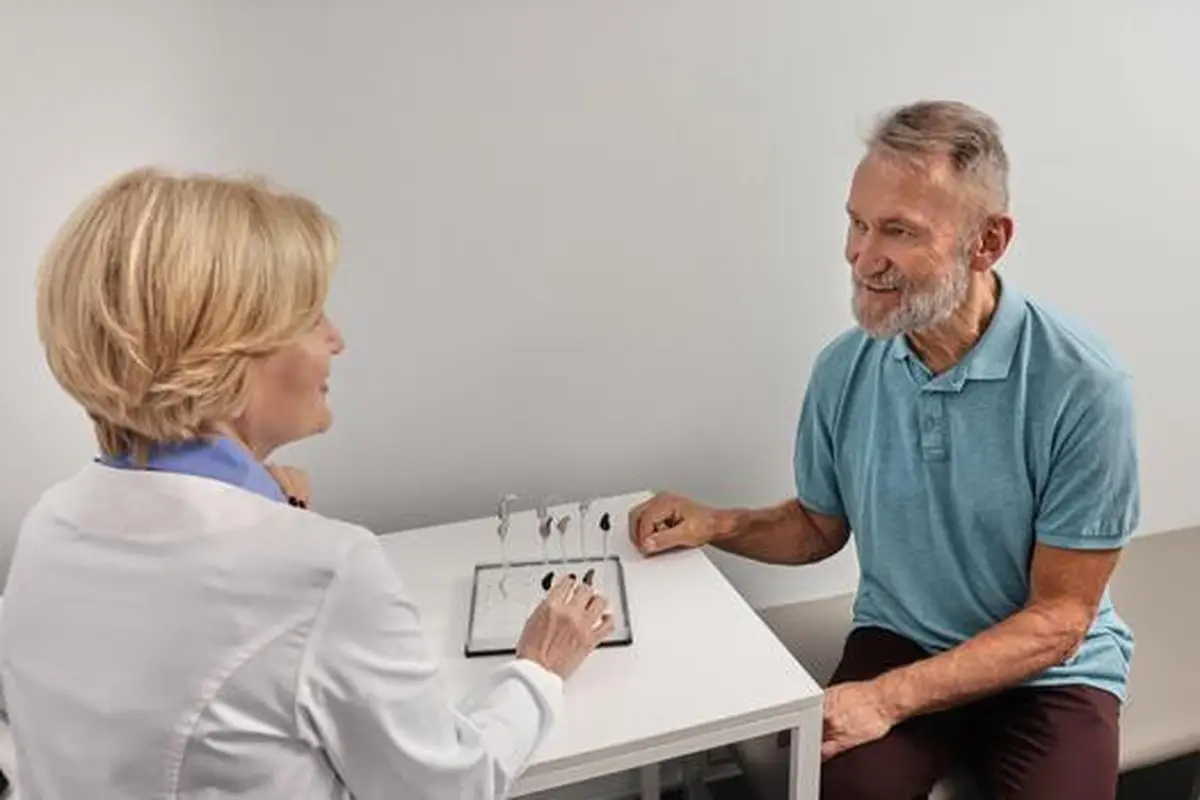
By week three or four, most people wear their aids all day without thinking about it. Your follow-up visit usually happens in this window, and it is where the magic happens: the provider turns amplification closer to full prescription based on your feedback, tweaks programs for your actual environments, and solves the specific issues from your notes list.
Push yourself into harder listening situations now. The noisy restaurant. The family gathering. Group conversations. These are the environments where hearing aids prove their worth, and also where their limits show. No hearing aid restores perfect hearing in heavy noise, but a well-tuned aid plus good communication strategies (facing the speaker, reducing background noise where you can) transforms these situations compared to unaided hearing.
Practical Tips to Adjust Faster
- Wear them all day, every day. Part-time wear dramatically slows brain adaptation. The only exception is if your provider specifically prescribed a gradual wear schedule.
- Read aloud to yourself. Fifteen minutes of reading a book out loud helps your brain recalibrate to your own voice faster than anything else.
- Start easy, then escalate. Quiet home first, then small gatherings, then challenging noisy environments. Do not judge the aids by the hardest situation on day three.
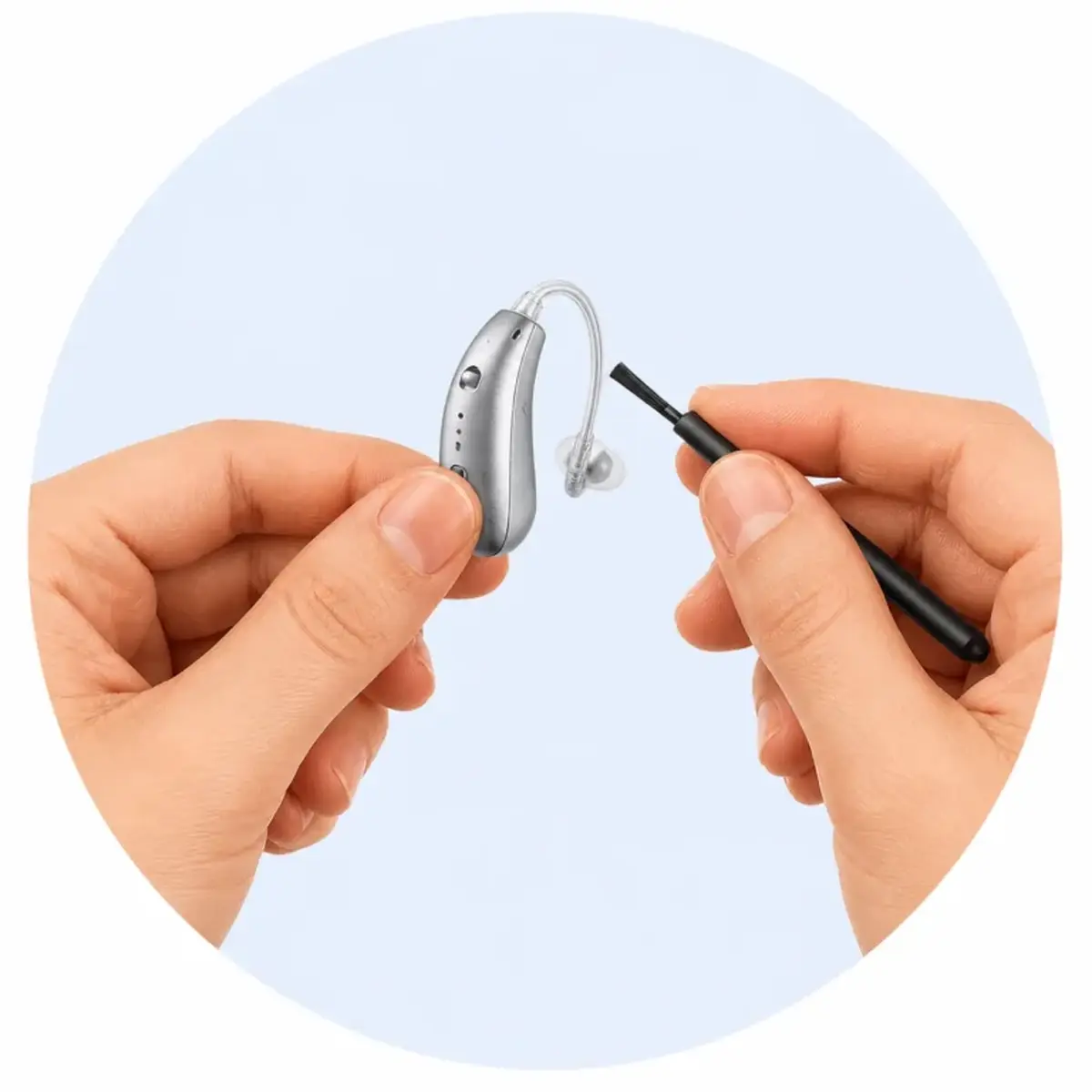
- Learn the basic maintenance now. Daily cleaning, wax guard checks, and battery or charging routines should become automatic this month. Fumbling with basics adds frustration you do not need.
- Bring a companion to the follow-up. Someone who talks to you daily can report changes you might not notice, like you interrupting less or responding from farther away.
- Be honest at follow-ups. “It’s fine” helps no one. Describe exactly what bothers you, when, and where. Providers can only fix what you report.
What Is Normal vs What Needs Attention
Normal in the first month: your voice sounding strange, background sounds seeming loud, mild ear fatigue by evening, needing several small adjustments, and occasional frustration. All of this resolves for the vast majority of wearers.
Not normal, call your provider: sharp pain or skin breakdown where the aid sits, persistent whistling that adjustments do not fix, one aid dramatically quieter than the other, sudden changes in hearing, dizziness, or drainage from the ear. Physical pain and sudden changes are never “just adjustment.” Our whistling guide and troubleshooting checklist can help you identify what is happening, but do not hesitate to call.
The Emotional Side Nobody Mentions
Wearing hearing aids for the first time can stir unexpected feelings. Some people grieve the confirmation that their hearing has declined. Some feel self-conscious, though modern aids are remarkably discreet. Some feel frustrated that the aids are not the instant fix they imagined. All of this is common and valid.
It helps to reframe the first month as rehabilitation, not just shopping. You would not expect a knee replacement to feel natural on day two. Your auditory system is doing the same kind of recovery work. Most wearers who push through the first month reach a point where they feel worse without the aids than with them. That is the real finish line, and it is worth the strange weeks to get there.
Frequently Asked Questions
How long until hearing aids feel natural?
Most wearers feel substantially comfortable within two to four weeks of consistent all-day wear, with continued subtle improvement over three months. If things still feel wrong after six weeks of proper use and follow-up adjustments, tell your provider. Something may need a different approach.
Should I wear my hearing aids all day from the start?
For most adults, yes. Consistent wear drives brain adaptation. Some providers prescribe a ramp-up schedule (a few hours daily, increasing over two weeks) for very sensitive new wearers or those with long-unaided severe loss. Follow your provider’s specific guidance.
Why does my own voice sound so strange?
The occlusion effect: your voice now reaches your ears through two paths, the natural one and the amplified one, and your brain has not reconciled them yet. It fades with adaptation and can be reduced with venting or programming adjustments. Reading aloud accelerates the process.
Is it normal to still struggle in noisy restaurants?
Yes. Understanding speech in heavy background noise is the hardest task in hearing, with or without aids. Well-fitted aids help enormously compared to unaided hearing, but they do not create superhuman hearing. Assistive strategies like sitting with your back to the noise and using restaurant programs close the remaining gap.
What if I just cannot get used to them?
First, make sure you have had proper follow-up adjustments, not just the initial fitting. Many “I can’t get used to them” cases are really “they were never fine-tuned.” If after genuine effort and professional help they still do not work for you, exercise your trial-period return rights. That is what the trial is for. But give the process a real chance first: most successful wearers were frustrated in week one too.
The first 30 days with hearing aids are a journey from “everything sounds wrong” to “I forget I am wearing them.” Wear them consistently, keep your follow-up appointments, report specifics instead of suffering silently, and be patient with your brain while it relearns. Do that, and you will join the large majority of wearers who say the adjustment was worth it. If you are still shopping rather than adjusting, start with our 15 questions to ask before buying to make sure your journey begins on the right foot.