

When I first heard about Audicus, I was skeptical. The company calls itself the Warby Parker of hearing aids, which sounds great in a pitch deck, but I wanted to know what that actually means when the devices arrive at your door. So I dug into their full product lineup, the ordering process, and what real customers say after wearing them for months.
Here is the short version: Audicus sits in an interesting middle ground. They are not a pure do-it-yourself OTC brand, and they are not a traditional clinic either. A licensed hearing specialist programs your devices remotely based on your hearing test, then ships them to you. That model cuts the price roughly in half compared to a local clinic, and for a lot of people, that tradeoff is worth it.
What Is Audicus and How Does It Work?
Audicus launched about a decade ago in New York with a simple idea. Take the hearing aid fitting process out of the expensive local clinic and move it online. Instead of paying for the clinic’s overhead, you pay for the devices and remote professional support.
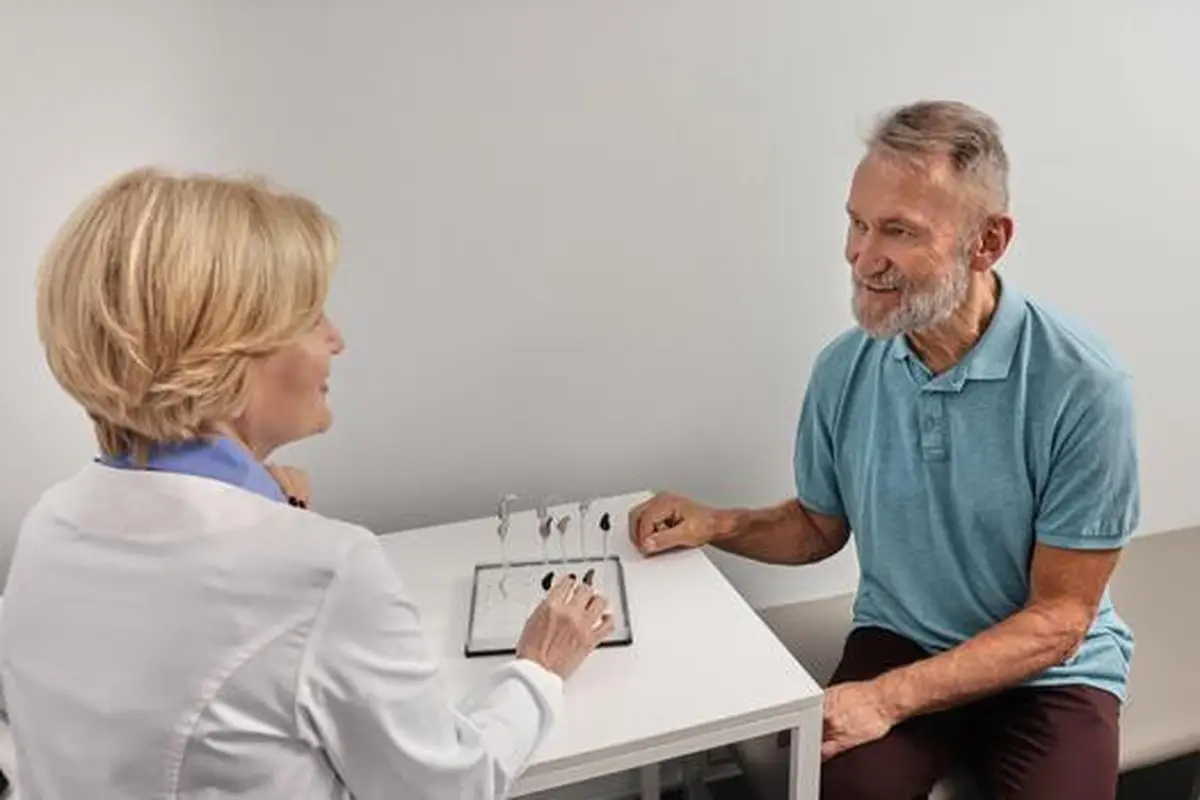
The process starts with a free phone consultation. An Audicus care specialist walks you through an online hearing test, or you can send in an existing audiogram from a recent hearing exam. Once they have your hearing profile, you choose a product, and their team programs the hearing aids to match your specific hearing loss before shipping them to your door.
This is an important distinction. With most FDA-registered OTC hearing aids, you do the programming yourself through an app. With Audicus, a trained specialist does it for you. If you later need adjustments, the behind-the-ear models support remote tuning through telehealth appointments. The in-ear Mini model has to be mailed back for reprogramming, which is worth knowing upfront.
Audicus devices are manufactured by Sonova and WS Audiology, two of the largest hearing aid makers in the world. That matters because it means you are getting legitimate hardware platforms, not generic electronics with a brand name slapped on. Similar technology sold through traditional clinics can cost $4,500 or more per pair.
The Audicus Product Lineup
Audicus currently sells four main products, organized from most discreet to most feature rich. Here is how they break down.
Audicus Mini: The Invisible Option
The Mini is a completely-in-canal style device priced around $2,498 per pair. It is the most discreet option Audicus sells, sitting deep enough in the ear canal that most people will not notice it. It uses disposable size 10 batteries that last about four to five days, and it does not have Bluetooth connectivity.
The main tradeoff with the Mini is convenience. There is no onboard volume button, so you adjust volume through the Audicus app. And because it is so small, program changes require mailing the devices back rather than a remote telehealth tweak. If discretion is your top priority and you are comfortable with the app, the Mini is a solid pick. If you want Bluetooth streaming or easy adjustments, look at the models below.
Audicus Wave 2: The Budget Pick
The Wave 2 is the entry level behind-the-ear model, priced around $1,398 per pair with disposable batteries or $1,598 rechargeable. It is designed for people with a relatively quiet lifestyle who want essential technology without paying for premium features they may never use.
What you get is straightforward amplification, custom programmed to your hearing loss, with remote adjustment support. What you do not get is the advanced noise processing or multi-device Bluetooth of the higher models. For someone who mainly needs help with one-on-one conversations and TV, the Wave 2 covers the basics well.
Audicus Spirit 2: The Sweet Spot
The Spirit 2 runs about $1,798 per pair with disposable batteries or $1,998 rechargeable, and in my opinion it is where the lineup gets genuinely interesting. You get Bluetooth streaming from both Apple and Android devices, real-time environmental adjustments, and remote programming through telehealth.
The Spirit 2 has 14 channels of program customization and four listening environments. That is a meaningful step up from the Wave 2 in complex situations like restaurants or group conversations. It is also available through the Audicus Premier membership at $99 per month, which includes free upgrades every 18 months, free supplies, and loss or damage insurance.
Audicus Omni 2: The Flagship
The Omni 2 is the top of the range at roughly $2,798 per pair disposable or $2,998 rechargeable. It adds 16 channels of customization, six listening environments, and what Audicus calls speech finder technology, which is designed to lock onto voices in noisy settings.
The Omni 2 is comparable to devices from Unitron or Phonak sold through clinics at much higher prices. Through Audicus Premier it runs $119 per month with the same upgrade and insurance perks as the Spirit 2 plan. If budget is less of a concern and you want the best sound processing Audicus offers, this is the one.
How the Ordering Process Works
I want to walk through the actual purchase flow because it is different from both Amazon-style OTC shopping and a clinic visit. First, you book a free phone consultation. The specialist reviews your hearing needs, arranges the online hearing test or collects your audiogram, and helps you pick the right model for your type and degree of hearing loss.
Then you purchase, and this is where the 100-day risk-free trial kicks in. That is one of the longest trial periods in the industry, and it matters because adjusting to hearing aids takes weeks, not days. Your first fitting experience with any hearing aid involves a learning curve, so a generous return window removes a lot of risk.
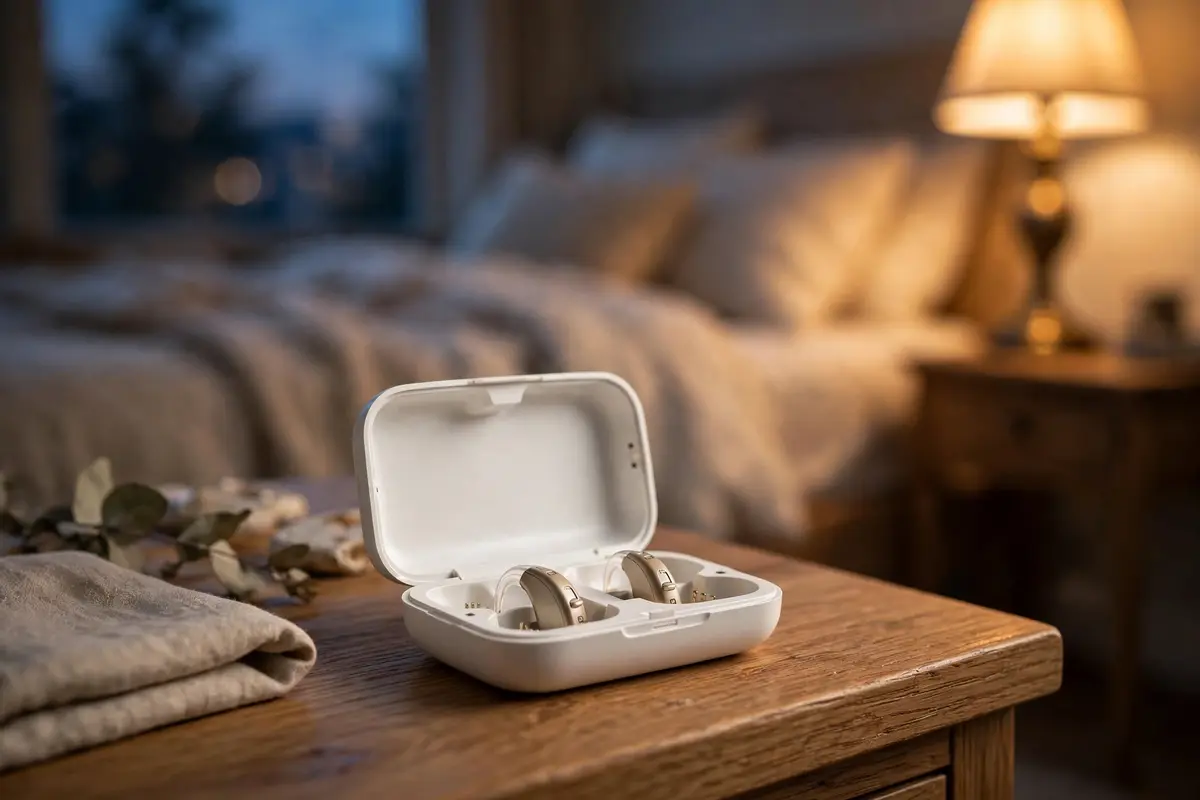
After purchase, the Audicus team programs your devices and ships them with a carry case or charging case, multiple dome sizes, and a one-year manufacturer warranty. You also get unlimited lifetime specialist support, which is genuinely unusual at these prices. Most online brands cut you loose after the return window closes.
What I Liked About Audicus
The strongest thing Audicus has going for it is the combination of professional programming and online pricing. You are not guessing at settings in an app. A specialist sets the devices up for your hearing loss, and you can get remote adjustments afterward. That is a meaningfully better experience than pure self-fitting for people who want guidance.
The 100-day trial is another standout. Many competitors offer 45 or 60 days. A hundred days gives your brain real time to adapt, which is how long the adjustment period can take for first-time wearers. If the devices are not working out, you send them back.
Lifetime specialist support is the third big plus. Hearing aids need periodic tweaks as your hearing changes or your lifestyle shifts. Knowing you can call someone who has your hearing profile on file, years after purchase, adds real long-term value. With over 7,000 reviews averaging around 4.7 stars, customer satisfaction appears strong.
Finally, the in-person option is a nice touch. Audicus runs branded clinics in Chicago, Denver, and New York City where you can get a free hearing test and same-day fitting. If you live near one, you get the best of both worlds: online prices with an in-person fallback.
Where Audicus Falls Short
No product is perfect, so let me be honest about the limitations. First, Audicus is not the cheapest option anymore. When the company launched, it dramatically undercut everyone. Today, true OTC devices from brands like Audien or Elehear sell for a few hundred dollars. Audicus sits above them on price, so you are paying a premium for the professional programming and support. Whether that premium is worth it depends on how much you value the human help.
Second, the Mini’s lack of Bluetooth feels dated. At $2,498 per pair, competing invisible devices from other brands include streaming. If phone calls and music streaming matter to you, the Mini is a tough sell against the Spirit 2 or Omni 2.
Third, the mail-back reprogramming for the Mini is inconvenient. Every other model supports remote telehealth adjustments, but Mini owners have to ship their devices and wait. If your hearing changes or the initial programming needs tweaking, that is a real hassle.
Fourth, Audicus requires more patience than walking into a clinic. The phone consultation, shipping, and potential back-and-forth on adjustments take time. If you want everything handled face to face in one afternoon, a local provider is still the better fit.
Audicus vs Traditional Clinics
The core question most people ask is whether Audicus can replace a clinic visit. The honest answer is that it depends on your hearing loss and your comfort with remote care.
For straightforward mild to moderate hearing loss, Audicus covers the essentials: professional programming, quality hardware from major manufacturers, remote adjustments, and long-term support. The price difference is substantial. A comparable clinic experience with similar technology often runs $4,000 to $6,000 per pair, while Audicus tops out under $3,000.
Where clinics still win is complex cases. Severe or profound hearing loss, single-sided deafness, chronic ear infections, tinnitus that needs specialized management, or anatomical issues with your ear canals are all situations where in-person care matters. A remote specialist cannot look inside your ears or do real-ear verification measurements. If any of those apply to you, talk to your audiologist before choosing an online route.
There is also the service dimension. A good local audiologist builds a relationship with you over years, notices changes in your hearing, and handles cleanings and repairs on the spot. Audicus offers lifetime phone support, which is good, but it is not the same as sitting across from someone who can physically inspect your devices.
Who Should Consider Audicus?
Audicus makes the most sense for three groups. First, budget-conscious buyers with mild to moderate hearing loss who want professional programming without clinic prices. Second, people comfortable with phone and video appointments who do not need everything done in person. Third, anyone who values a long trial period and lifetime support over the absolute lowest price.
It makes less sense if you need the cheapest possible option, if you have complex hearing needs that require in-person diagnostics, or if you strongly prefer face-to-face service for everything. In those cases, either a budget OTC device or a traditional clinic is the better call. If you are weighing the broader landscape, our guide to how much hearing aids cost in 2026 breaks down what you can expect across every channel.
FAQs
Are Audicus hearing aids FDA registered?
Audicus devices are programmed by hearing specialists based on your hearing test, which puts them in the prescription-style category rather than the self-fitting OTC category. The FDA regulates both categories, and you can read more about the distinction on the FDA hearing aids page. If you are unsure which category fits your hearing loss, a hearing test is the right first step.
How much do Audicus hearing aids cost?
Prices range from about $1,398 per pair for the Wave 2 with disposable batteries to about $2,998 per pair for the Omni 2 rechargeable. The Spirit 2 and Omni 2 are also available through the Audicus Premier membership at $99 and $119 per month respectively, which includes upgrades every 18 months and loss or damage coverage.
What is the Audicus return policy?
Audicus offers a 100-day risk-free trial. If you are not satisfied within that window, you can return the devices. That is longer than most competitors, and it gives you genuine time to adjust before deciding.
Do I need a hearing test before ordering from Audicus?
Yes. Audicus needs your hearing profile to program the devices, so you will either take their free online hearing test during the phone consultation or provide a recent audiogram. This is different from pure OTC devices where you self-program, and it is the reason Audicus can offer more customized fittings.
Can Audicus adjust my hearing aids remotely?
For the Wave 2, Spirit 2, and Omni 2, yes. Those models support remote telehealth adjustments, so a specialist can tweak your programming without you shipping anything. The in-ear Mini does not support remote adjustments and must be mailed back for reprogramming.