
“How long should these last?” is one of the first questions every new hearing aid wearer asks, usually while staring at a battery that died after four days. The honest answer is: it depends on the size, your hearing loss, and how you use the aids. But there are solid real-world ranges, and this guide gives them to you straight, plus the habits that push every battery toward the top of its range.
Battery Life by Size: The Chart
These are realistic everyday ranges for zinc-air disposable batteries in normal use, meaning the aids are worn most of the day with moderate streaming:
| Battery Size | Tab Color | Typical Life | Hours of Use |
|---|---|---|---|
| 10 (yellow) | Yellow | 3 to 7 days | ~70 to 90 hours |
| 312 (brown) | Brown | 5 to 10 days | ~80 to 175 hours |
| 13 (orange) | Orange | 7 to 14 days | ~130 to 240 hours |
| 675 (blue) | Blue | 14 to 21 days | ~300 to 500 hours |
Two things to notice. First, the ranges are wide, because usage varies enormously. Second, bigger batteries do not just last a little longer, they last dramatically longer. A size 675 holds roughly five times the energy of a size 10. If you are choosing between aid styles and battery hassle matters to you, that difference is worth knowing. Our battery sizes guide explains which aids take which size.
What Determines Your Actual Battery Life
Your degree of hearing loss. This is the factor nobody mentions. A more powerful aid driving severe loss simply works harder than a gentle aid for mild loss. Two people with the same model can get very different battery life if one needs twice the amplification.
Streaming. Bluetooth audio, phone calls routed through your aids, TV streamers, remote microphones. Wireless streaming is by far the hungriest thing a hearing aid does. A heavy streamer can cut battery life nearly in half compared to someone who never streams. This is the number one reason real-world life falls short of expectations.
Hours worn per day. Obvious but worth stating. Sixteen hours of wear drains more than ten. If you are comparing notes with a friend, compare hours, not days.
Features running in the background. Advanced noise reduction, feedback cancellation, and binaural processing (the two aids talking to each other) all sip power continuously. They are worth it for sound quality, but they are not free.
Environment. Cold weather temporarily reduces zinc-air output. High humidity is not great either. Batteries stored badly before use start with less capacity.
What the mAh Rating on the Package Means
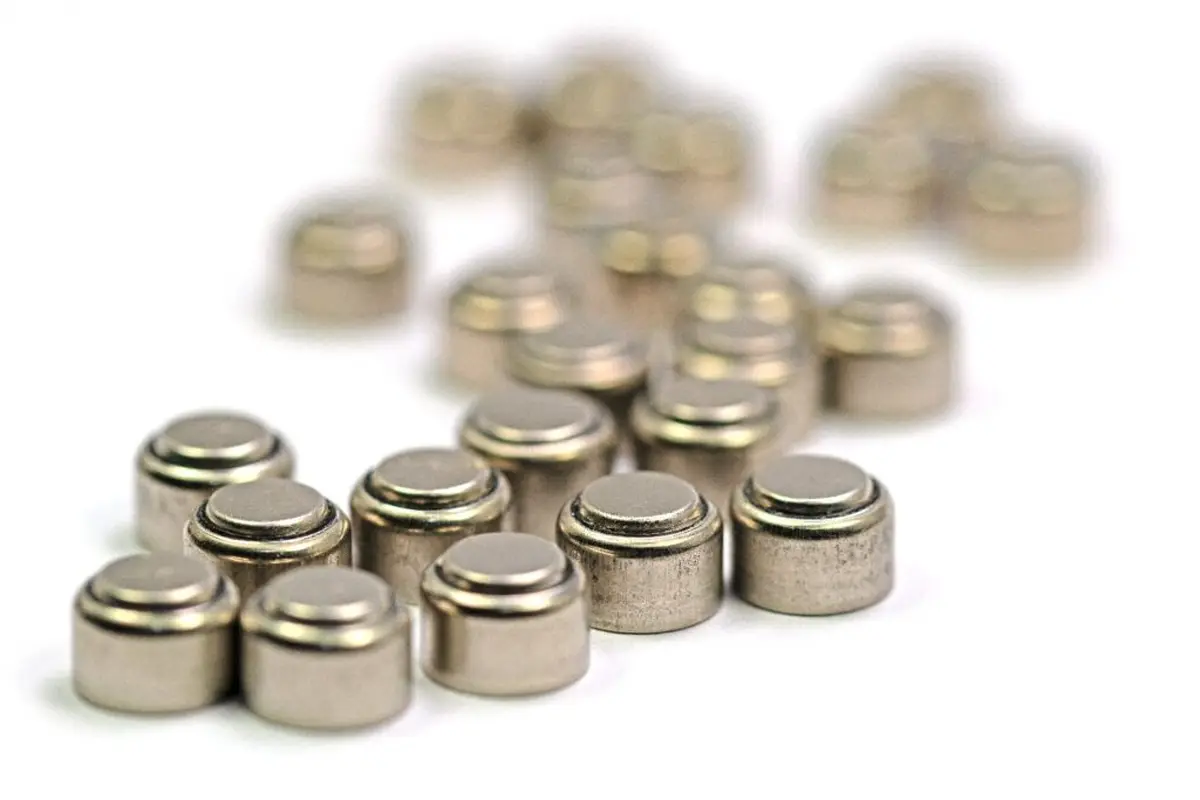
Battery packaging sometimes lists a milliamp-hour (mAh) rating, which is simply a measure of total energy capacity. A size 10 cell is typically rated around 90 mAh, a 312 around 170 mAh, a 13 around 300 mAh, and a 675 around 600 mAh. These numbers explain the huge life differences in the chart above: a 675 literally holds six to seven times the energy of a size 10.
Do not overthink the small differences between brands’ mAh ratings. A 312 rated at 165 mAh versus 180 mAh will not produce a noticeable difference in your week. What matters far more is freshness, proper activation, and your usage pattern. Major battery makers like Energizer publish these specs openly, and they confirm that real-world life depends mostly on how the battery is used, not whose logo is on it.
Why Two People Get Different Life From the Same Battery
It confuses a lot of couples: same hearing aid model, same battery size, but one person’s cells last nine days and the other’s last five. The difference is almost always hearing loss severity and streaming habits. The person with greater loss needs more amplification, which draws more current all day. Add two hours of daily phone streaming on top, and the gap widens further.
Neither person is doing anything wrong. Battery life is personal, like fuel economy in cars. The FDA’s hearing aid resources remind users that individual needs vary, and the right comparison is against your own past performance, not someone else’s. If your batteries suddenly last much less long than they used to, that change is worth investigating. If they always lasted this long, it is simply your normal.
Simple Habits That Extend Battery Life
You cannot change your hearing loss or the laws of chemistry, but these habits genuinely help:
- Wait the full minute. Peel the tab, then wait about sixty seconds before inserting the battery. This lets the zinc-air reaction fully activate. Skipping the wait is the most common rookie mistake.
- Open the battery door every night. This is the off switch. It stops all power draw and lets moisture evaporate overnight. If your aid has a dedicated off switch, use it, but the open door also airs out the compartment.
- Do not open the door during the day “to save power.” Actually, do exactly that when you take the aids out for a nap or a quiet hour. Every hour off is an hour saved.
- Let aids dry before storing. Wipe them down and let any surface moisture evaporate before closing the case. Moisture in the battery compartment hurts performance.
- Keep spare batteries at room temperature. Do not refrigerate them, and do not leave them in a hot car. Buy in sensible quantities and check the date on the package.
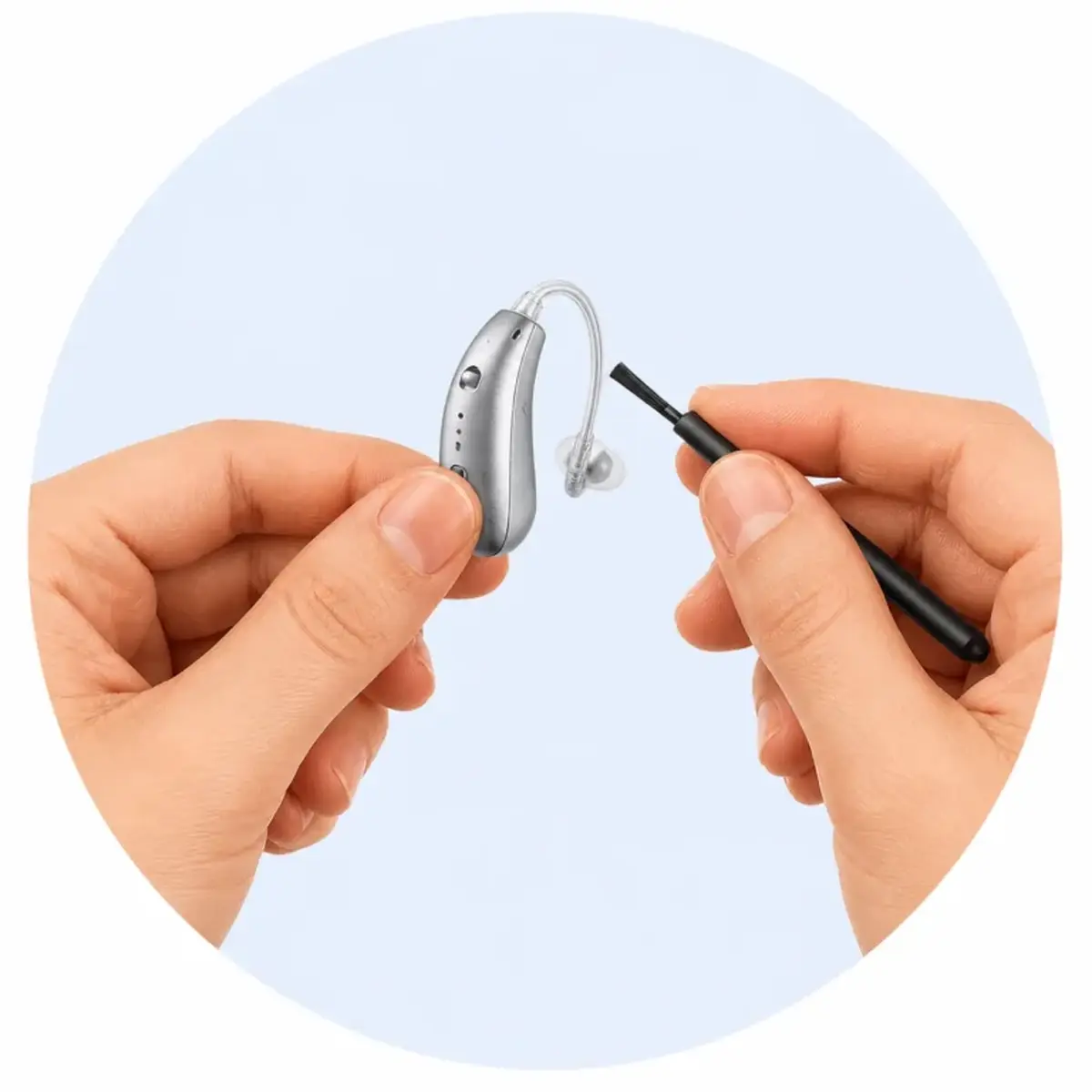
- Consider a drying case. Especially in humid climates, a nightly drying cycle protects both the aid and the battery. See our cleaning guide for the full care routine.
Rechargeable Batteries: A Quick Comparison
Many modern hearing aids skip disposables entirely. A full charge on a rechargeable aid typically lasts 16 to 30 hours depending on the model and streaming, and the built-in lithium-ion cell holds up for roughly three to five years before its capacity noticeably fades. You trade the ritual of swapping tiny cells for the ritual of nightly charging.
Neither system is objectively better. Disposables mean you are never tethered to a charger and a dead battery is fixed in thirty seconds with a fresh cell. Rechargeables mean no fiddly tabs, no ongoing battery cost, and no loose cells around children or pets. Our rechargeable vs disposable breakdown walks through the full decision.
When Short Battery Life Signals a Problem
There is normal variation, and then there is something wrong. If your size 312 batteries are dying after two days, or a fresh cell dies overnight, do not just accept it. Common culprits include a battery tab peeled long before use, old stock past its date, moisture in the compartment, or an aid that is not actually switching off. In rare cases, the aid itself has a fault drawing excess current.
Work through our battery drain troubleshooting guide before buying batteries in bulk. It covers every cause in order, and most of them are free to fix.
Frequently Asked Questions
Why do my batteries die faster in winter?
Cold temporarily reduces the chemical activity in zinc-air cells. Keeping spare batteries in an inside pocket close to your body, rather than in a cold bag, helps. The effect reverses when they warm up.
Is it normal for one aid’s battery to die before the other?
Small differences are normal, especially if one ear needs more amplification. But if one side consistently dies dramatically faster, swap the batteries between sides. If the problem follows the battery, it was a weak cell. If it stays with the aid, have that aid checked.
Can I make batteries last longer by putting the tab back on?
No. Once the tab is removed and air enters, the reaction cannot be paused. Re-sealing does not stop it. Only use the tab trick before first activation, by leaving tabs on until the moment of use.
Do expensive brand-name batteries last longer?
Not meaningfully. All zinc-air hearing aid batteries follow the same standard. Freshness date and proper activation matter far more than brand. Buy whatever reputable brand is cheapest per cell.
How will I know the battery is dying?
Most aids play a warning beep or voice alert when power runs low, often with some hours of life remaining. Sound may also get intermittently weaker. Do not wait for total silence; change the battery at the first warning if you have a spare.
Now you know what “normal” looks like for your battery size, and you know the habits that keep every cell at the top of its range. If your batteries are dying well short of these numbers, head to our drain troubleshooting guide to find the culprit. And keep those spare cells away from children and pets, always.