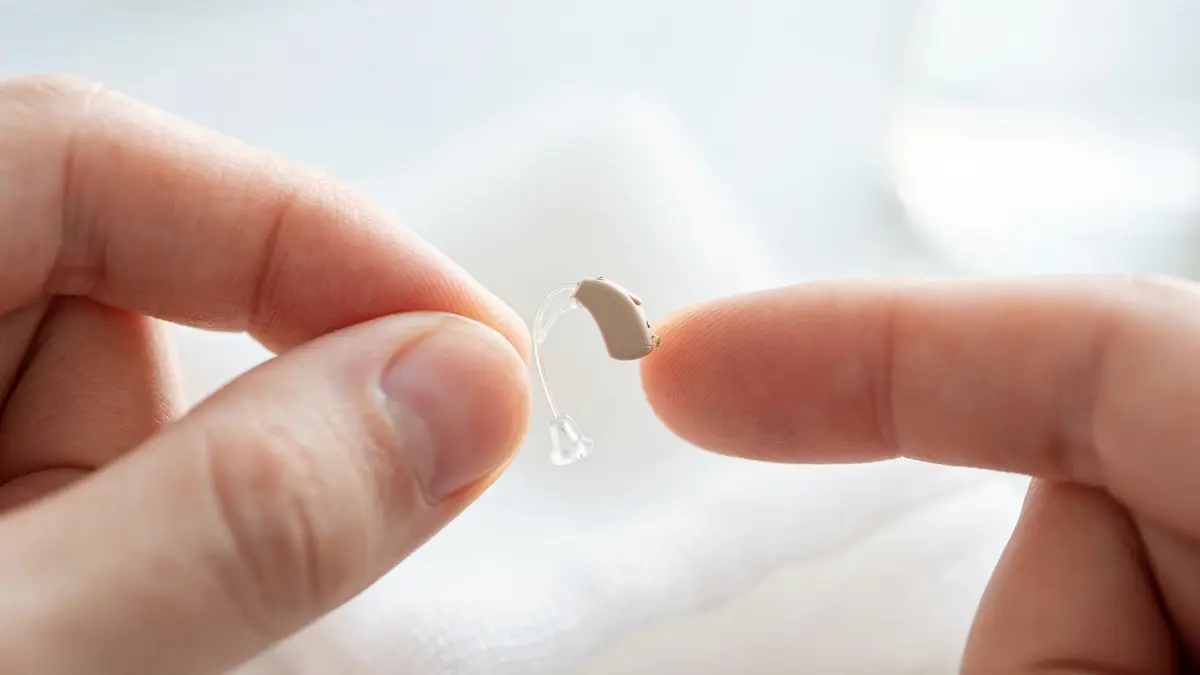
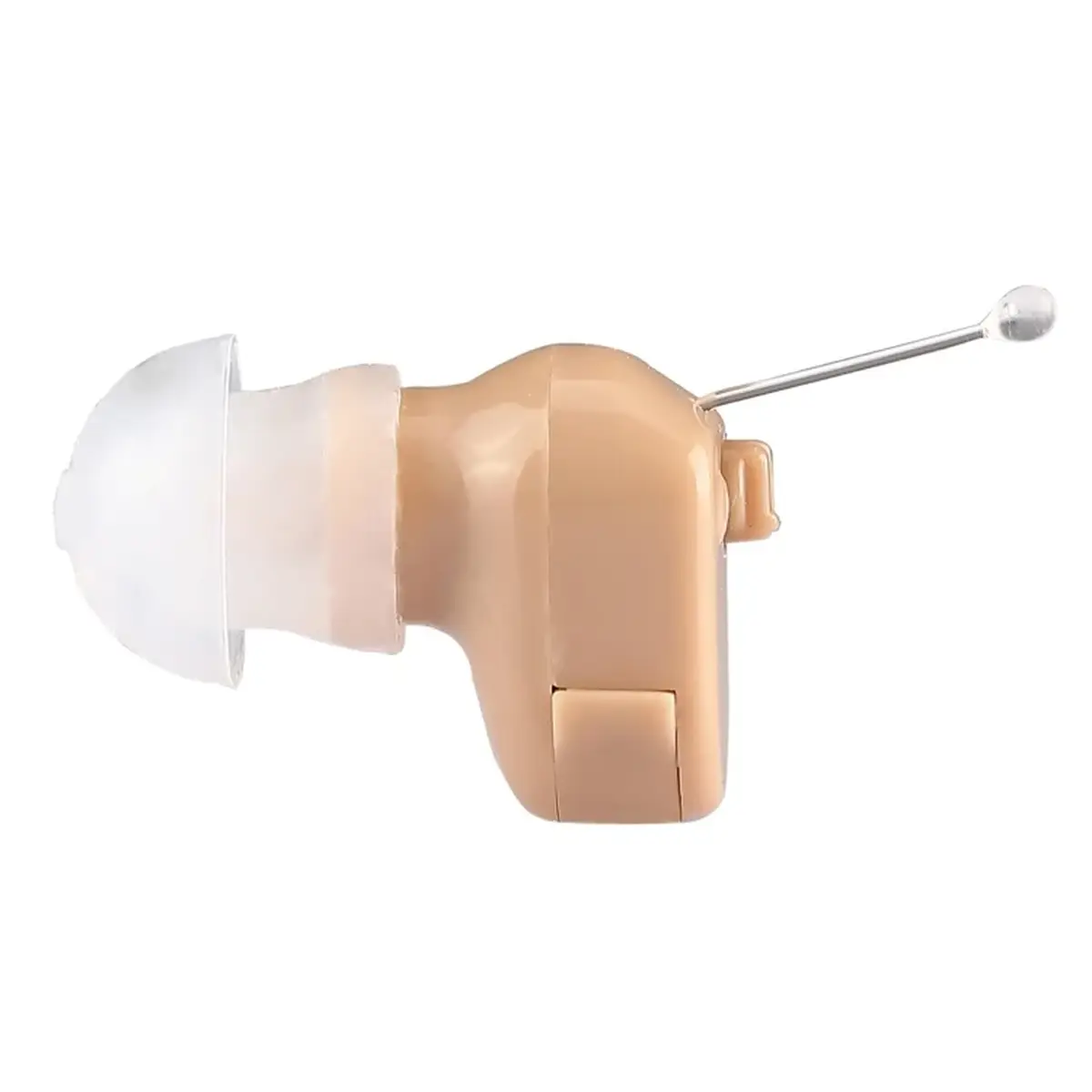

Type “cheap hearing aid” into any marketplace and you will find dozens of devices promising crystal-clear hearing for $29.99, often with thousands of five-star reviews and urgent countdown timers. It feels like you have discovered a secret the hearing industry does not want you to know. You have not. Most of these products are either simple amplifiers dressed up as medical devices or outright scams designed to take your money and disappear. But the picture is not entirely black and white, and knowing exactly where the line sits will save you from wasting money or, worse, damaging your hearing.
What the Scam Usually Looks Like
The typical scam follows a playbook refined over years. A product appears under a generic name like “NanoHear Pro” or “ClearSound Max,” sold through a flashy single-product website or a marketplace listing. The page features stock photos of smiling seniors, dramatic claims (“hear whispers from across the room!”), and a crossed-out “regular price” of $299 next to today’s $39.99 deal. Reviews are glowing but vague, often posted in clusters on the same dates. There is no company address, no support phone number, and the “doctor recommended” badge names no actual doctor.
What arrives in the mail, if anything arrives, is a basic analog amplifier worth a few dollars to manufacture. It makes everything louder without shaping sound to hearing loss, has no noise management, and often produces painful feedback squeals. When it breaks in three weeks, the support email bounces and the website vanishes. The sellers then relaunch under a new name and repeat the cycle. This is not a hypothetical pattern; consumer protection agencies have documented it repeatedly.
Red Flags That Expose a Scam
Run through this checklist before buying any hearing device from an unfamiliar seller:
- Miracle promises. “Restores 20/20 hearing,” “cures tinnitus,” or “better than $5,000 hearing aids.” Hearing loss cannot be cured by an amplifier, and legitimate companies never claim otherwise.
- No FDA registration. Real OTC hearing aids are FDA-registered medical devices. Ask for the FDA listing; scammers cannot provide one. Check our FDA OTC hearing aid list to see what legitimate looks like.
- Anonymous seller. No physical address, no real customer service number, no named founders or audiologists. A medical device company that hides its identity is not a medical device company.
- High-pressure tactics. Countdown timers, “only 3 left at this price,” pop-ups warning you not to leave. These are e-commerce manipulation tricks, not how hearing healthcare works.
- Review manipulation. Thousands of reviews posted within days of each other, all five stars, all vague (“works great!”). Sort by most recent and look for the detailed one-star reviews describing the real experience.
- No trial period or real return address. Legitimate sellers offer 30 to 45-day trials with prepaid return labels. Scammers offer “satisfaction guarantees” with return instructions that lead nowhere.
- Blurred legal lines. The listing calls it a “hearing aid” but the fine print says “personal sound amplifier not intended to treat hearing loss.” That contradiction tells you everything.
For the broader picture on industry dishonesty, read our guide to hearing aid scams and red flags.
The Honest Exceptions: Cheap Does Not Always Mean Scam
Here is the nuance the fear-mongering leaves out: affordable hearing devices absolutely exist, and some are excellent. The difference is legitimacy, not price. The Audien Atom costs around $99 and is an FDA-registered OTC hearing aid from a real company with real customer support. MDHearing sells FDA-registered devices in the low hundreds with remote support from hearing professionals. These are not scams; they are simply simpler devices that skip the clinic, the fitting appointment, and the premium features.
What separates them from the scammers? Verifiable FDA registration. A real company with a real address and support team. Honest marketing that describes mild-to-moderate hearing loss instead of promising miracles. Clear trial periods and return policies. Reasonable claims backed by actual specifications. Price alone tells you nothing; legitimacy tells you everything.
Why Scam Amplifiers Can Actually Harm You
This is not just about wasted money. There are two genuine risks. First, unregulated amplifiers have no mandated maximum output limits. A device cranked to full volume can deliver sound levels capable of causing additional hearing damage, and someone with existing loss may not feel pain as a warning sign. Our article on hearing aids vs amplifiers explains the regulatory gap in detail.
Second, and more insidiously, a bad experience with a scam device convinces people that “hearing aids don’t work.” They tried something, it was terrible, and they conclude the whole category is a rip-off. Years pass. Their hearing worsens. They withdraw from conversations and social life. By the time they try a legitimate device, they have lost years of better hearing to a $39 scam. That is the real cost, and it dwarfs the purchase price.
Why These Scams Keep Working
It is worth asking why intelligent people keep falling for these listings, because understanding the psychology protects you better than any checklist. First, hearing loss makes people vulnerable: when you are struggling to follow conversations, the promise of an instant, cheap fix is emotionally powerful. Second, the real hearing aid industry has a reputation for high prices, which makes the scam’s “they don’t want you to know” narrative feel plausible. Third, the fake reviews create social proof that overrides skepticism; our brains treat thousands of five-star ratings as evidence even when the ratings are purchased. Recognizing these levers in yourself is the strongest defense. When a listing makes you feel excited, rushed, or resentful toward the industry, pause. Legitimate hearing care never needs to manipulate your emotions to earn your trust.
What to Do If You Already Bought One
If you suspect you bought a scam device, act quickly. First, stop using it at high volume, especially if it causes discomfort, ringing, or feedback pain. Second, document everything: screenshots of the listing, your order confirmation, and the product itself. Third, request a refund in writing immediately; some sellers refund quickly when faced with a paper trail. Fourth, if the seller refuses or disappears, dispute the charge with your credit card company or bank, providing your documentation. Credit card disputes for “product not as described” succeed far more often than people expect. Fifth, report the seller to the FTC at reportfraud.ftc.gov and to the marketplace where you bought it. Your report helps shut down the next relaunch.
How to Buy Safely on a Budget
Being careful does not mean spending thousands. Follow this safe-buying sequence: get your hearing tested first (many clinics screen for free) so you know your loss type and degree. Stick to FDA-registered OTC hearing aids from verifiable brands; our OTC vs prescription guide maps the legitimate landscape. Buy from the manufacturer’s own website or an authorized retailer, never from a random marketplace seller with a two-week-old account. Confirm a real trial period (30 days minimum) and a real return process before paying. And if the price seems impossibly good for the claims being made, trust that instinct.
Frequently Asked Questions
Are all cheap hearing amplifiers scams?
No. Some inexpensive devices are legitimate FDA-registered OTC hearing aids from real companies. The scam label applies to products with deceptive marketing, no verifiable company, and no FDA registration, not to every affordable device.
How can I verify a hearing aid is FDA registered?
Ask the seller for their FDA establishment registration and device listing information, then cross-check it. Legitimate brands publish this openly; scammers deflect or go silent when asked.
Why do scam hearing aids have so many good reviews?
Reviews on marketplaces and single-product sites are easily faked or purchased in bulk. Look for review timing clusters, vague praise, and a mismatch between glowing ratings and detailed one-star complaints.
Can I get my money back from a scam seller?
Often yes, through your credit card company or bank. File a dispute for “product not as described,” include screenshots and correspondence, and act within your card’s dispute window (usually 60 to 120 days).
What is the cheapest safe hearing aid?
FDA-registered OTC hearing aids from established brands start around $99 per pair. That small premium over scam amplifiers buys you a regulated device, real support, and a genuine trial period.
The Bottom Line
Cheap hearing amplifiers are not automatically scams, but the cheapest listings with the boldest claims usually are. The defense is simple and free: verify FDA registration, verify the company is real, insist on a trial period, and get your hearing tested first. Do that, and you can buy affordably with confidence instead of gambling. Start with our FDA-approved OTC hearing aid list to see legitimate budget options, and steer clear of anything that promises miracles.