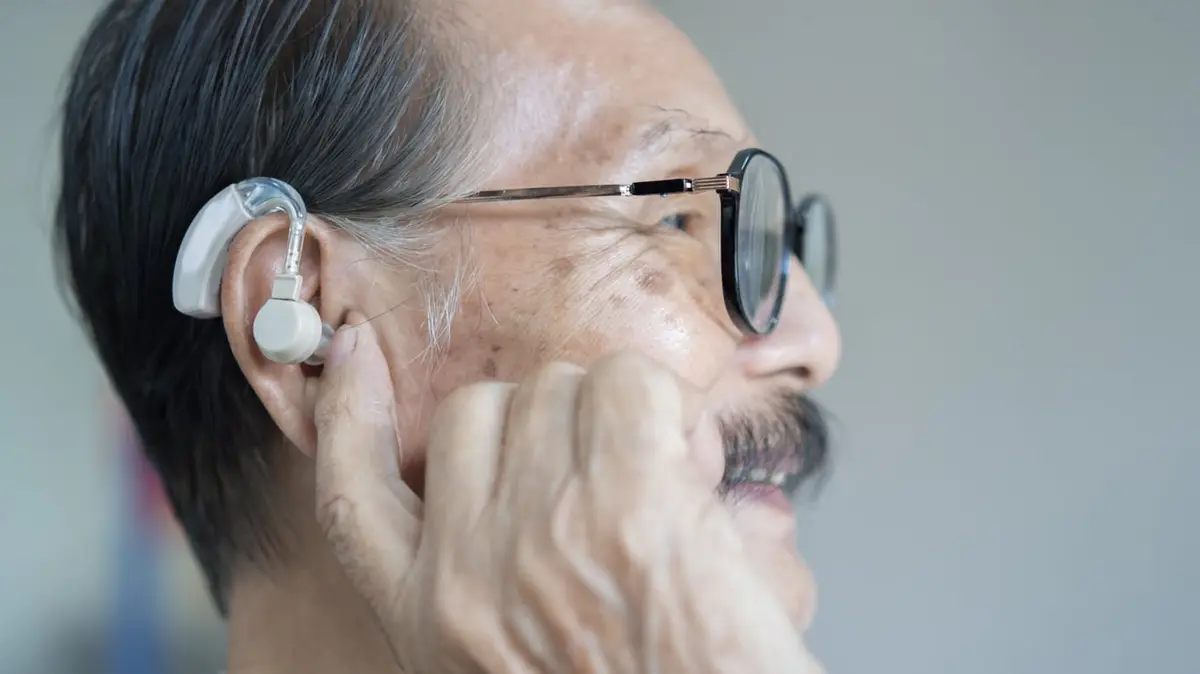


Otofonix is one of the cheapest names in over-the-counter hearing aids, with pairs starting under $200. That price turns heads, because the hearing aid industry has spent decades training buyers to expect $3,000-plus. So the obvious question: is Otofonix a genuine bargain, a decent starter device, or a case of getting what you pay for?
This review looks at what Otofonix actually sells, what it costs with no fine print, what independent testing found, and who should (and should not) consider it. For context on how OTC devices compare with clinic-fitted aids, see our OTC vs prescription guide.
Who Is Otofonix?
Otofonix is a US-based direct-to-consumer company founded in 2021, built around one idea: sell simple, affordable hearing aids online without the clinic markup. The brand was developed with the involvement of an ear, nose, and throat physician, and it was among the early companies selling directly to consumers when the FDA created the official OTC hearing aid category.
The company keeps its lineup deliberately small. Instead of a confusing ladder of technology tiers, Otofonix sells a handful of behind-the-ear models with plain-English names: Apex, Elite, Encore, Helix, Groove, and Sona. Most are traditional behind-the-ear (BTE) devices, with a couple of in-ear options in the range. Everything is ordered online and shipped to your home, with domes, cleaning tools, and manuals in the box.
One thing to know up front: Otofonix aids are built for mild to moderate hearing loss only. They are not designed for severe or profound loss, and the company does not pretend otherwise. If you are unsure where your hearing falls, get a hearing test before ordering anything, from Otofonix or anyone else.
Models and Prices
Otofonix keeps pricing refreshingly simple, and refreshingly low:
| Model | Type | Price (pair, approx.) | Key features |
|---|---|---|---|
| Apex | Battery-powered BTE | Around $95 | 10-level volume, 4 preset programs, noise reduction |
| Rechargeable streaming model | Rechargeable BTE | Around $197 | Adds Bluetooth streaming for calls, music, and TV |
| Elite / Encore | BTE | $200 to $300 range | Step-up sound processing, more program options |
| Helix / Groove / Sona | BTE | $300 to $500 range | Rechargeable options, app control on select models, telecoil on select models |
| Certified refurbished | Various | From $84 single / $168 pair | Inspected and tested pre-owned devices |
Those prices are per pair, not per ear, which is how the value really lands: the entry model costs less than a single dinner out for two. Even the top of the range stays under $500 a pair, roughly a tenth of premium prescription aids. Otofonix also sells certified refurbished units, inspected and tested, for buyers who want to spend even less.
The basic battery model includes 10 volume levels and four pre-programmed settings for conversation, restaurant, traffic, and outdoor use, plus background noise cancellation. Spend about $100 more for the rechargeable model and you add Bluetooth streaming for calls and music, a charging case, and smartphone integration. Our 2026 hearing aid price breakdown puts these numbers in perspective against the wider market.
Trial, Warranty, and Support
The purchase terms are buyer-friendly, with one detail worth reading closely. You get a 45-day money-back guarantee, but the clock starts on the purchase date, not the delivery date. If shipping takes a week, that week comes out of your trial. Test the aids in your real daily environments early, not in week six.
The standard warranty is one year, shorter than the two to three years common on premium aids. Otofonix sells optional protection plans covering accidental damage and wear and tear, priced roughly $55 to $250 depending on the model and term length. Given how easy these small devices are to drop, lose, or wash, the protection plan is worth pricing at checkout.
Support is a genuine bright spot: the company offers lifetime customer support by phone, chat, and email, and includes a prepaid return shipping label in the box, a sign it takes the guarantee seriously. There is no in-app hearing test and no remote programming by an audiologist, so you are fitting the device yourself with presets and volume, which suits the simple-BTE design but limits personalization.
What Independent Testing Found
Here is where an honest review has to be direct. Independent lab testing by HearAdvisor gave the Otofonix Encore a SoundScore of 2.7 out of 5, a C grade, ranking it 37th out of 39 devices in its tested category. Speech clarity measured just 1.0 out of 5 in both quiet and noisy settings, well below category averages. That is a meaningful gap: these aids amplify sound, but the processing does not separate speech from background the way better devices do.
The same testing found one real strength: feedback handling scored 4.7 out of 5, meaning the aids resist the whistling and squealing that plague many budget devices. And aggregated customer reviews tell a warmer story than the lab: Top Consumer Reviews rates Otofonix 3.4 out of 5 (“Good”), with buyers praising the price, the simple controls, and the support. Several owners upgrading from far more expensive aids say the Otofonix works well enough as a daily wearer or a backup pair.
How do you reconcile the lab scores with happy customers? Expectations and hearing profiles. For someone with mild loss who mainly needs a volume boost in quiet rooms, a simple amplifier with good feedback control can feel like a big win. For someone who struggles in noise, the lab scores are a fair warning. Our hearing aids vs amplifiers explainer helps sort out what simple amplification can and cannot do.
Who Should Consider Otofonix
Otofonix makes sense for a specific buyer: mild hearing loss, a tight budget, and modest expectations. It is a reasonable first step into hearing help, a backup pair for travel or sports where you would not risk expensive aids, or an option for someone who wants to try amplification before committing serious money.
It makes less sense if you have moderate-to-severe loss, struggle mainly in noisy places, want a discreet in-canal style (Otofonix is overwhelmingly behind-the-ear in beige or gray), or want app-based fine-tuning and professional fitting support. Shoppers comparing options should also check our FDA OTC hearing aids list to see what else the registered market offers near this price.
Frequently Asked Questions
Are Otofonix hearing aids FDA approved?
Otofonix sells FDA-registered over-the-counter hearing aids, which means the devices are listed with the FDA under the OTC category created in 2022. Registration is not the same as the FDA “approving” a drug, but it does mean the products meet the agency’s requirements for OTC sale. You can read how the category works on the FDA’s hearing aids page.
How long do Otofonix hearing aids last?
Like most hearing aids, expect three to five years with decent care: keep them dry, clean the domes and wax guards, and do not leave them in a hot car. The one-year standard warranty is shorter than premium brands, which is one reason the optional protection plan exists.
Can I return them if they do not help?
Yes, within the 45-day money-back guarantee, and Otofonix includes a prepaid return label. Just remember the 45 days start at purchase, not delivery, so begin your real-world testing the day they arrive.
Do they work for severe hearing loss?
No. Otofonix devices are designed for mild to moderate loss. Severe or profound loss needs more powerful prescription aids fitted by a professional. If you suspect your loss is beyond mild, see an audiologist first; buying an underpowered device wastes the trial period.
Are refurbished Otofonix aids safe to buy?
The company’s certified refurbished units are inspected, cleaned, and tested, and they include the same 45-day trial. For a backup pair or an ultra-low-budget first try, they are a legitimate option. For a primary daily device, most buyers prefer new for the full warranty term.
Our Verdict
Otofonix is a legitimate budget option, not a scam, and for under $200 a pair the value proposition is real: simple, working amplification with honest trial terms and lifetime support. But independent lab testing shows its sound processing trails better OTC devices by a wide margin, especially for speech in noise. Buy it as an affordable first step for mild loss, or as a backup pair, with the 45-day trial as your safety net. If your budget stretches to $500-plus, compare higher-scoring OTC options first, and whatever you choose, confirm your hearing loss is in the mild-to-moderate range before you order.